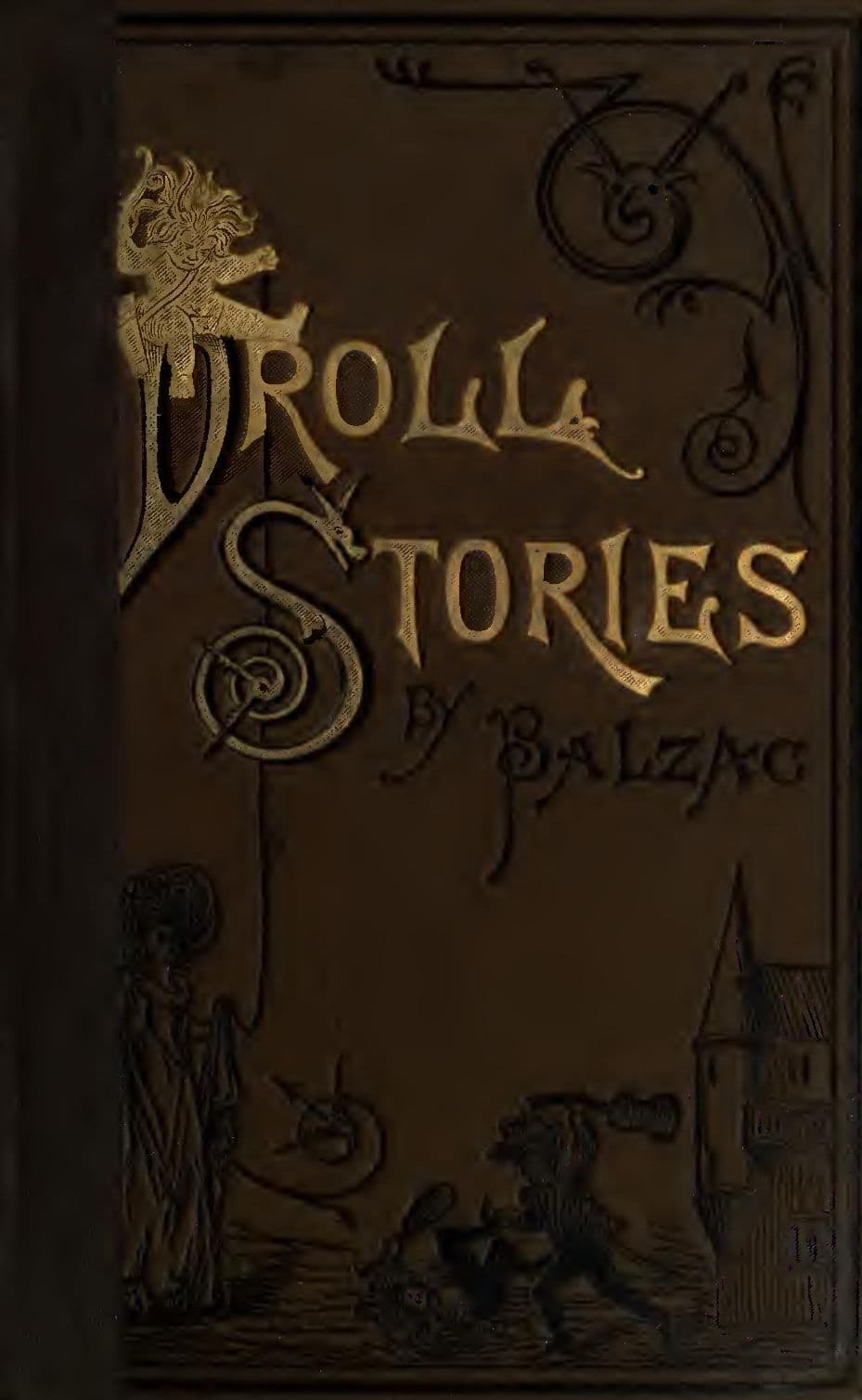
A Drama on the Seashore
1834
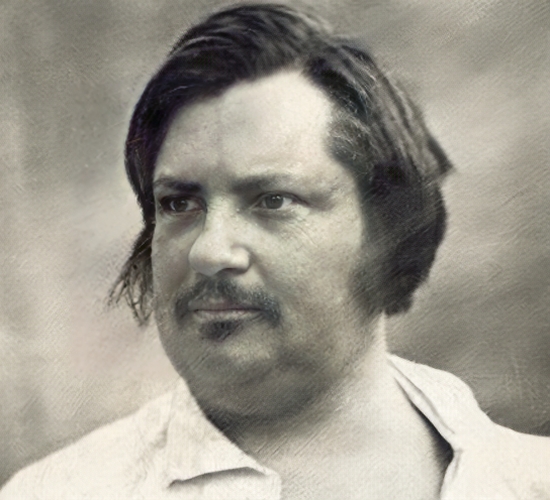
On the rugged Breton coast, a fisherman named Pierre Cambremer has withdrawn from the world, living in grim penance among the rocks and surf. His son Jacques is dead, and Cambremer carries that loss like a stone around his neck. When the young lovers Louis and Pauline stumble upon this haunted man during a seaside idyll, their own happiness suddenly feels fragile, even guilty. Balzac constructs a stark encounter between youthful love and aged sorrow, forcing his characters to reckon with questions that have no easy answers: Can grief be outlived? What do we owe the dead? Is self-punishment a form of devotion or vanity? The seashore becomes a stage where human emotion plays out against the indifferent crash of waves. Published in 1834, this is Balzac at his most concentrated and morally complex, a short work that packs the weight of a novel into its brief span.
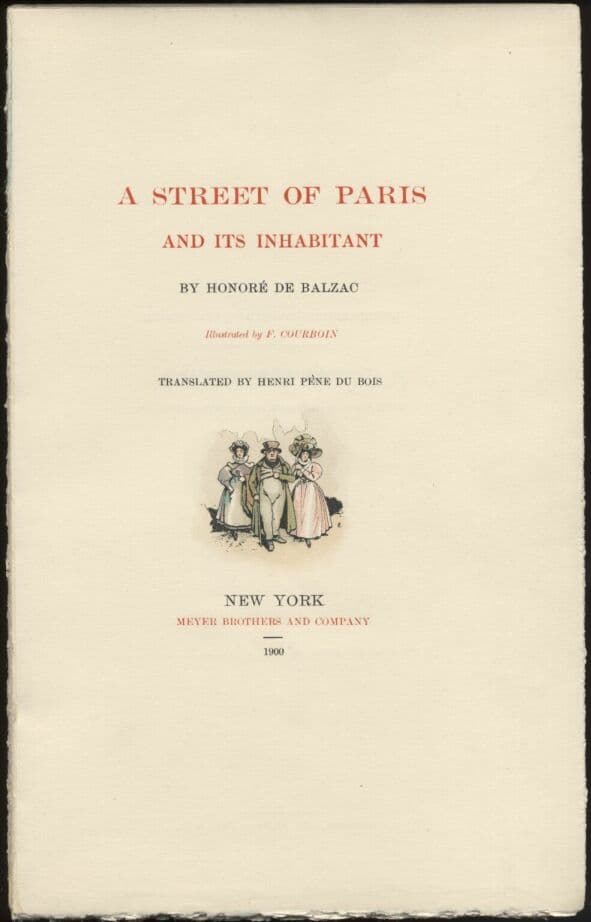
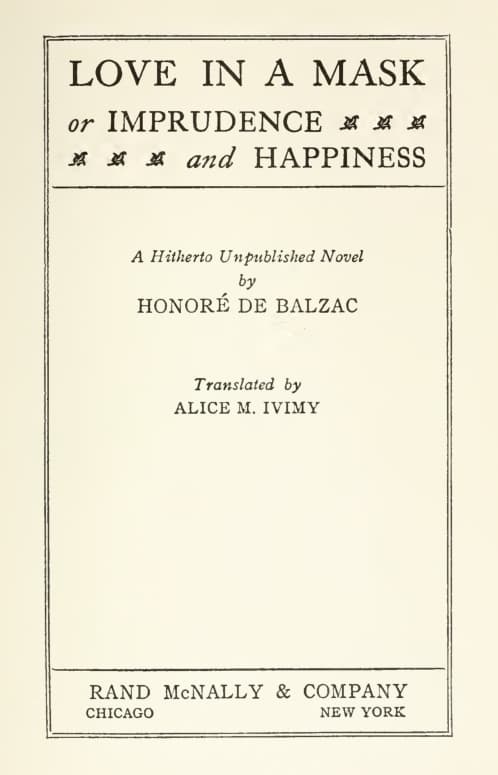
Editions
X-Ray
“This perversion of the truth, familiar to the artist though it was, always unnerved him afresh and proved too much for him. What was a consequence of the premature ending of his fast was here presented as the cause of it! To fight against this lack of understanding, against a whole world of nonunderstanding, was impossible.””
— Honoré de Balzac
“Because,” said the hunger artist, lifting his head a little and, with his lips pursed as if for a kiss, speaking right into the supervisor’s ear so that he wouldn’t miss anything, “because I couldn’t find a food which I enjoyed. If had found that, believe me, I would not have made a spectacle of myself and would have eaten to my heart’s content, like you and everyone else.” Those were his last words, but in his failing eyes there was the firm, if no longer proud, conviction that he was continuing to fast.””
— Honoré de Balzac
“And when once in a while some leisurely passer-by stopped, made merry over the old figure on the board, and spoke of swindling, that was in its own way the stupidest lie ever invented by indifference and inborn malice, since it was not the hunger artist who was cheating, he was working honestly, but the world was cheating him of his reward.””
— Honoré de Balzac
“Não temos juventude, ficamos logo adultos, e continuamos então adultos por um tempo demasiadamente longo, vêm daí um certo cansaço e uma certa desesperança que atravessa com um vinco largo a essência no conjunto tão tenaz e cheia de esperança do nosso povo””
— Honoré de Balzac
“I needed to fast because I couldn't find any food to which I liked.””
— Honoré de Balzac
“Try explaining the art of hungering to someone! If a person doesn't feel it, then you can't make him understand. The lovely posters became dirty and illegible; they were torn down, no one thought of replacing them. Initially, each completed hunger-day had been carefully marked on the small notice board; but then the figure had long since remained the same, for after the first few weeks the staff had grown tired of even this minor task. And so the hunger artist kept on hungering, as he had once dreamed of doing; but no one counted the days, no one, not even the hunger artist himself, knew how long he had been hungering, and his heart grew heavy.””
— Honoré de Balzac
“همس فنان الجوع من داخل قفصه، وقال: "اعذروني جميعًا" الوحيد من بينهم الذي فهم ما قاله كان المشرف الذي اقترب بأذنه من قضبان القفص الحديدي. قال المشرف "بالطبع!"، ثم خبط بإصبعه على جبينه كي ينبه العمال إلى حالة الفنان وما اصابه من جنون وخرف، وقال: "لقد سامحناك" قال فنان الجوع: "كل ما أردته هو أن يعجبكم إمتناعي عن الطعام"قال المشرف بدماثة: "لقد اعجبنا"قال فنان الجوع: "ولكن ما كان يجب أن تعجبوا به". قال المشرف: "لماذا لا نعجب به؟". قال فنان الجوع: "لأني مجبر على الجوع، ولا أستطيع غير ذلك" قال المشرف: "شيء غريب! لماذا لا يمكنك فعل شيء آخر؟" "لأني..."، قال فنان الجوع وهو يرفع رأسه الصغير قليلا، وكانت شفتاه مضمومتين وكأنه سيُقبل أحدهم، وتحدث إلى المشرف في أذنه مباشرة حتى لا تضيع منه الكلمات: "لأنني لم أعثر على الطعام الذي أشتهيه، لو أني كنت عثرت عليه، صدقني لما أحدثت ضجة، ولأكلت منه حتى أشبع مثلك ومثل الباقين." كانت هذه آخر كلماته، لكن نظراته الكسيرة كانت تنم عن قناعة ربما تخلو من الفخر، لكنها قناعة قوية بأنه سيواصل الجوع.””
— Honoré de Balzac
“because I couldn’t find the food I liked. If I had found it, believe me, I should have made no fuss and stuffed myself like you or anyone else.””
— Honoré de Balzac
“And when once in a while a person strolling past stood there making fun of the old number and talking of a swindle, that was in a sense the stupidest lie which indifference and innate maliciousness could invent, for the hunger artist was not being deceptive”
— Honoré de Balzac
Link to this book
Add a free, dofollow link to Lex on your blog, forum, syllabus, or reading list.

<a href="https://lex-books.com/book/a-drama-on-the-seashore-0aed5c0f-e48a-410b-8407-3aae7b3a10f2"><img src="https://lex-books.com/badges/read-on-lex.svg" alt="Read A Drama on the Seashore by Honoré de Balzac free on Lex" width="160" height="40"></a>[](https://lex-books.com/book/a-drama-on-the-seashore-0aed5c0f-e48a-410b-8407-3aae7b3a10f2)[url=https://lex-books.com/book/a-drama-on-the-seashore-0aed5c0f-e48a-410b-8407-3aae7b3a10f2][img]https://lex-books.com/badges/read-on-lex.svg[/img][/url]Read A Drama on the Seashore by Honoré de Balzac free on Lex: https://lex-books.com/book/a-drama-on-the-seashore-0aed5c0f-e48a-410b-8407-3aae7b3a10f2Cite this book
Reading this edition for a paper or guide? Copy a citation.
Balzac, Honoré de. A Drama on the Seashore. Lex, lex-books.com/book/a-drama-on-the-seashore-0aed5c0f-e48a-410b-8407-3aae7b3a10f2.Balzac, H. D. (1834). A Drama on the Seashore. Lex. https://lex-books.com/book/a-drama-on-the-seashore-0aed5c0f-e48a-410b-8407-3aae7b3a10f2Balzac, Honoré de. A Drama on the Seashore. Lex. https://lex-books.com/book/a-drama-on-the-seashore-0aed5c0f-e48a-410b-8407-3aae7b3a10f2.