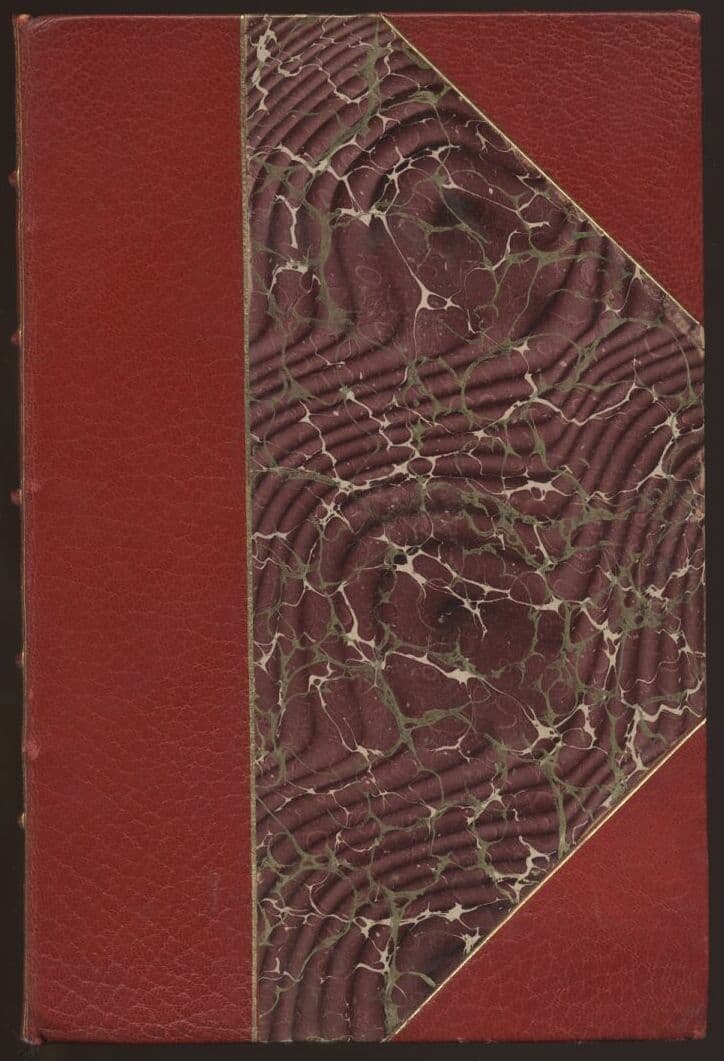
Sesame and Lilies
1865
In Victorian England, when most people argued that women needed only domestic education, John Ruskin made a radical claim: that books were palaces of treasure, and that anyone who could read had the key to riches beyond measure. Sesame and Lilies comprises two lectures delivered to working-class audiences in 1864, expanded into a book that would spark fierce debate about gender, education, and the purpose of literature. In "Sesame," Ruskin argues that reading is not mere entertainment but a moral discipline, that the great books of Western civilization contain accumulated wisdom worth seeking, and that access to them is a sacred right. In "Lilies," he turns to the question of women's roles and character, urging readers toward lives of purpose, beauty, and social responsibility. Ruskin's prose shifts between passionate advocacy and constrained Victorian thinking, making him sometimes uncomfortable but always compelling. For readers exploring Victorian intellectual history or seeking to understand why literature once seemed to hold the keys to human flourishing, this book remains a challenging, often beautiful meditation on what we owe to ourselves and each other.
Editions
X-Ray
“The noble kind of curiosity is what makes a person face danger to see where a great river begins, or what's across the oceans. There's an even more noble kind of curiosity that causes us to ask Who made the river, and what's beyond the heavens.””
— John Ruskin
“A person could skim all the books in a city library and still be more illiterate than a person who studies ten pages of a single good book letter by letter --- in other words, with real accuracy.””
— John Ruskin
Link to this book
Add a free, dofollow link to Lex on your blog, forum, syllabus, or reading list.

<a href="https://lex-books.com/book/sesame-and-lilies-34581df4-5066-4030-9d8e-1cf563189a75"><img src="https://lex-books.com/badges/read-on-lex.svg" alt="Read Sesame and Lilies by John Ruskin free on Lex" width="160" height="40"></a>[](https://lex-books.com/book/sesame-and-lilies-34581df4-5066-4030-9d8e-1cf563189a75)[url=https://lex-books.com/book/sesame-and-lilies-34581df4-5066-4030-9d8e-1cf563189a75][img]https://lex-books.com/badges/read-on-lex.svg[/img][/url]Read Sesame and Lilies by John Ruskin free on Lex: https://lex-books.com/book/sesame-and-lilies-34581df4-5066-4030-9d8e-1cf563189a75Cite this book
Reading this edition for a paper or guide? Copy a citation.
Ruskin, John. Sesame and Lilies. Lex, lex-books.com/book/sesame-and-lilies-34581df4-5066-4030-9d8e-1cf563189a75.Ruskin, J. (1865). Sesame and Lilies. Lex. https://lex-books.com/book/sesame-and-lilies-34581df4-5066-4030-9d8e-1cf563189a75Ruskin, John. Sesame and Lilies. Lex. https://lex-books.com/book/sesame-and-lilies-34581df4-5066-4030-9d8e-1cf563189a75.