Father Sergius
1911
Father Sergius is Tolstoy's unflinching portrait of a man who flees the world to find God, only to discover that his greatest enemy traveled with him. Prince Stepan Kasatsky abandons his aristocratic life after learning his fiancée was the Tsar's mistress, retreating to a monastery where he battles temptation and vanity for decades. The cruel paradox at the story's heart: as his reputation for holiness grows, so does the very pride he thought he'd escaped. Tolstoy strips away the romance of spiritual ambition to reveal the messy, ongoing struggle beneath. This is not a story about saints but about the complicated, striving human beings who try to become them.
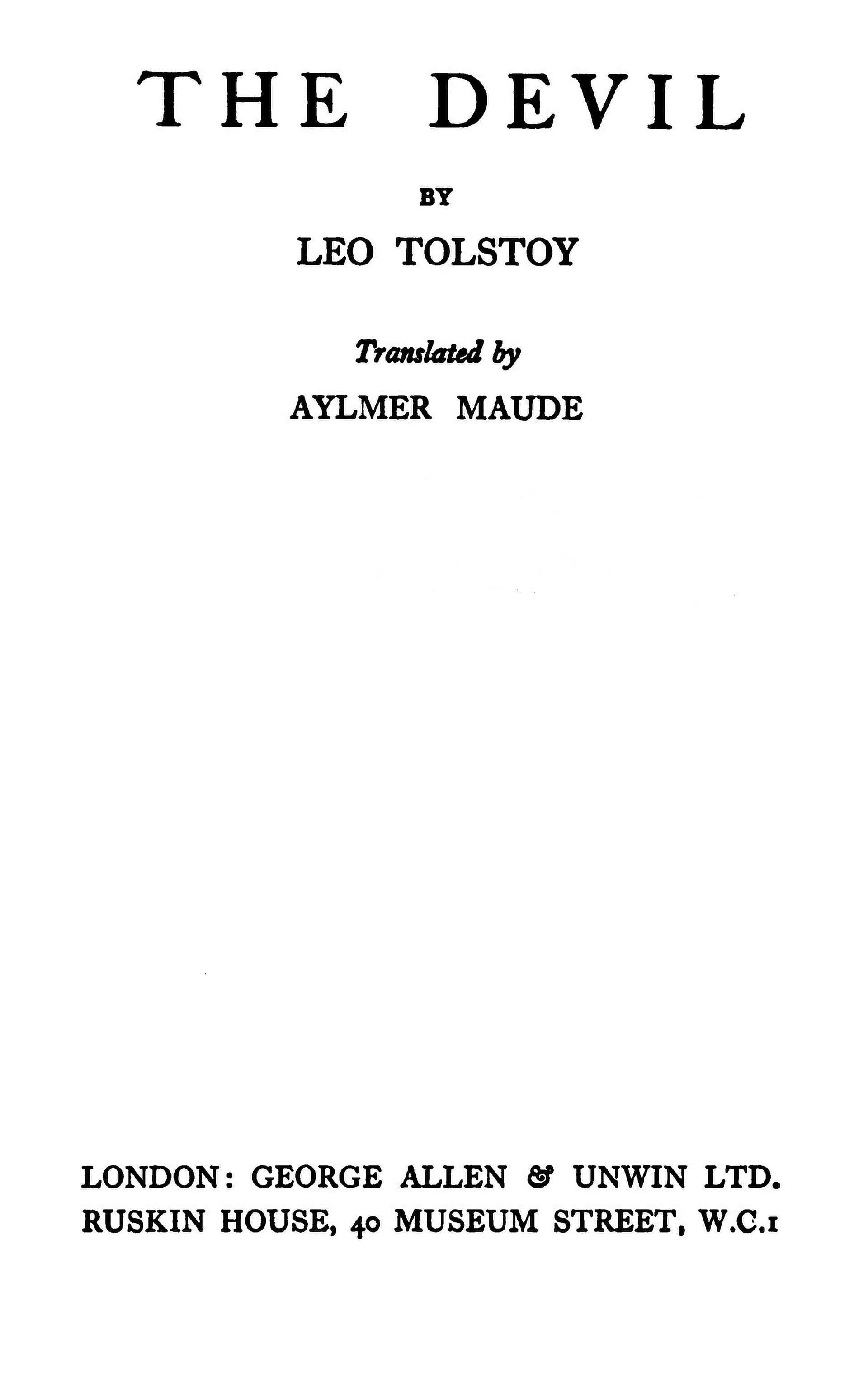
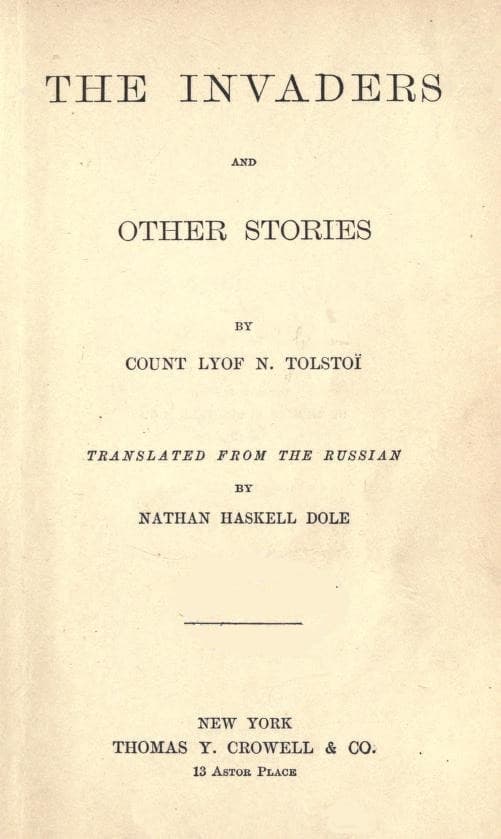
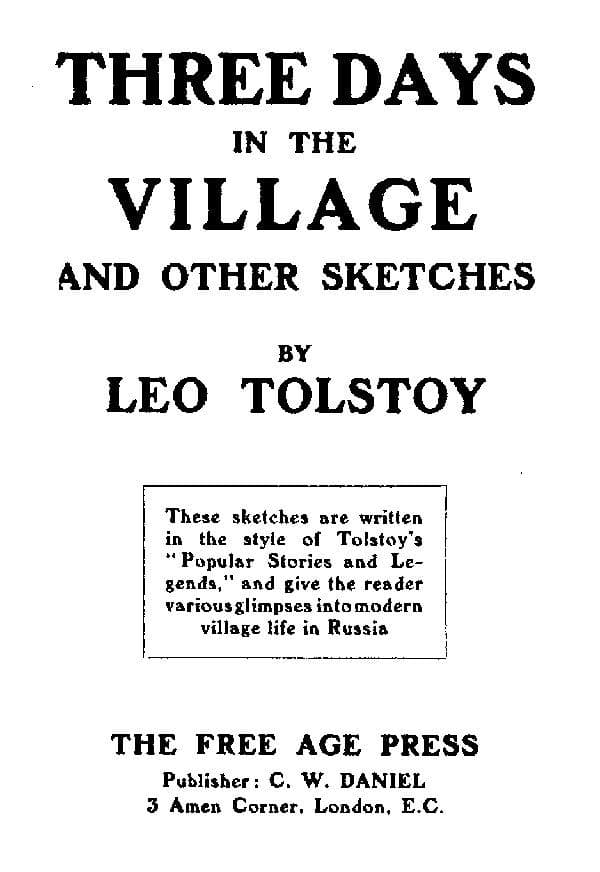
Editions
X-Ray
“He wanted and needed their love, but felt none towards them. He now had neither love nor humility nor purity””
— Leo Tolstoy
“So that is what my dream meant! Pashenka is what I ought tohave been but failed to be. I lived for men on the pretext ofliving for God, while she lived for God imagining that she livesfor men. Yes, one good deed--a cup of water given withoutthought of reward--is worth more than any benefit I imagined Iwas bestowing on people. But after all was there not some shareof sincere desire to serve God?' he asked himself, and the answerwas: 'Yes, there was, but it was all soiled and overgrown bydesire for human praise. Yes, there is no God for the man wholives, as I did, for human praise. I will now seek Him!””
— Leo Tolstoy
“The next Post brought a reply from the starets, who wrote to him that the cause of all his trouble lay in his pride. His Wrathful Outburst, the starets explained, had come about because it was not for God that he had humbled himself, rejecting honours and advancement in the church - not for God, but to satisfy his own pride, to be able to tell himself how virtuous he was, seeking nothing for self. That was why he had not been able to endure the Superior's conduct. Because he felt that he had given up everything for God, and now he was being put on display, like some strange beast."If it were for God you had given up advancement, you would have let it pass.worldly pride is still alive in you.””
— Leo Tolstoy
“But it was not only by this feeling, as Varvara thought, that he was guided. Mingling with his pride, with his need always to be first, was another motive, at which Varvara did not guess - a truly religious urge. His disillusionment in Mary (his betrothed), whom he had imagined such a saint, his feeling of outrage was so cruel that he sank into despair; and despair led him - whither? To God, to the faith of his childhood, which had never lost its hold upon him.””
— Leo Tolstoy
“...she lives for God imagining that she lives for men..One good deed - a cup of water given without the thought of reward - is worth more than any benefit I imagined I was bestowing on people. ..My share of sincere desire to serve God was there, but it was all soiled and overgrown by desire for human praise..””
— Leo Tolstoy
“Our feet have reached the holy places, but our hearts may not have done so.””
— Leo Tolstoy
“He prayed for purity, humility, love, and now it seemed to him that God heard his prayers. He had not lagged behind the times in knowledge. He now had neither love nor humility nor purity.””
— Leo Tolstoy
“when he was officiating in a depressed state of mind he felt that the influence produced on him by the service would endure. And it did in fact weaken till only the habit remained.””
— Leo Tolstoy
“His director told him, as material food was necessary for the body life, spiritual food is necessary for spiritual life. This was result of his consciousness of humility, certainty that whatever he had to do was right.””
— Leo Tolstoy
Link to this book
Add a free, dofollow link to Lex on your blog, forum, syllabus, or reading list.

<a href="https://lex-books.com/book/father-sergius-10ecd1e3-e58b-4638-829d-5032b5745c33"><img src="https://lex-books.com/badges/read-on-lex.svg" alt="Read Father Sergius by Leo Tolstoy free on Lex" width="160" height="40"></a>[](https://lex-books.com/book/father-sergius-10ecd1e3-e58b-4638-829d-5032b5745c33)[url=https://lex-books.com/book/father-sergius-10ecd1e3-e58b-4638-829d-5032b5745c33][img]https://lex-books.com/badges/read-on-lex.svg[/img][/url]Read Father Sergius by Leo Tolstoy free on Lex: https://lex-books.com/book/father-sergius-10ecd1e3-e58b-4638-829d-5032b5745c33Cite this book
Reading this edition for a paper or guide? Copy a citation.
Tolstoy, Leo. Father Sergius. Lex, lex-books.com/book/father-sergius-10ecd1e3-e58b-4638-829d-5032b5745c33.Tolstoy, L. (1911). Father Sergius. Lex. https://lex-books.com/book/father-sergius-10ecd1e3-e58b-4638-829d-5032b5745c33Tolstoy, Leo. Father Sergius. Lex. https://lex-books.com/book/father-sergius-10ecd1e3-e58b-4638-829d-5032b5745c33.