The Precipice
1869
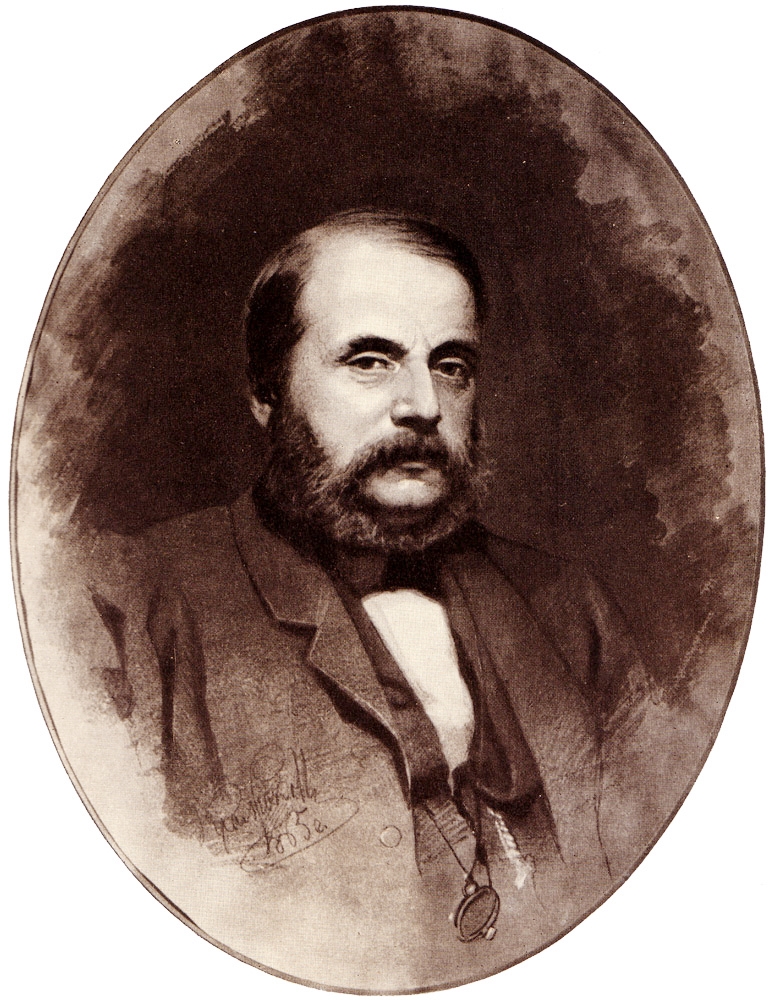
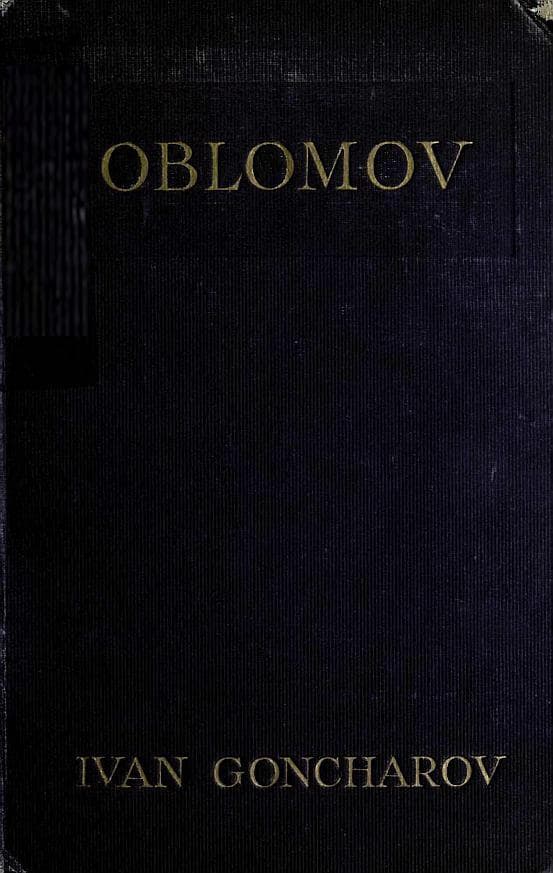
Boris Raisky has returned to his aunt's estate on the Volga River, and he finds nothing as he left it - not even himself. Once brimming with artistic ambition, he now confronts the hollow fact of his own idleness: years have passed, and he has created nothing. Goncharov builds his novel around this precise wound - the educated man who cannot act, who remains suspended between the beauty of life and his inability to seize it. Around Raisky, the women of the household - his formidable aunt Tatiana, his young cousins Veroshka and Marfinka - pursue their own desires and suffer their own defeats, each becoming a mirror for his paralysis. The novel's power lies in its unsparing portrait of a man who sees clearly yet cannot move: every opportunity arrives and finds him wanting. Written as Goncharov's final novel after decades of refinement, The Precipice stands as one of the most psychologically honest examinations of artistic failure in Russian literature - a book that understands how thoroughly one can know oneself and still be destroyed by what one has failed to become.
Editions
X-Ray
“It is only the female half of the human race has been endowed with the powers to run the world. Only they are not understood, not recognized, and not cultivated by themselves, or by men, and are crassly trampled underfoot, and appropriated by the male half which is not capable of exercising these great powers, and in any case, out of sheer pride does not have the good sense to yield to them.””
— Ivan Aleksandrovich Goncharov
“Вся эта история была безукоризненно нравственна, чиста и до нестерпимости скучна.””
— Ivan Aleksandrovich Goncharov
Link to this book
Add a free, dofollow link to Lex on your blog, forum, syllabus, or reading list.

<a href="https://lex-books.com/book/the-precipice-17ae9d28-abb2-4a32-be9e-17447184cbd8"><img src="https://lex-books.com/badges/read-on-lex.svg" alt="Read The Precipice by Ivan Aleksandrovich Goncharov free on Lex" width="160" height="40"></a>[](https://lex-books.com/book/the-precipice-17ae9d28-abb2-4a32-be9e-17447184cbd8)[url=https://lex-books.com/book/the-precipice-17ae9d28-abb2-4a32-be9e-17447184cbd8][img]https://lex-books.com/badges/read-on-lex.svg[/img][/url]Read The Precipice by Ivan Aleksandrovich Goncharov free on Lex: https://lex-books.com/book/the-precipice-17ae9d28-abb2-4a32-be9e-17447184cbd8Cite this book
Reading this edition for a paper or guide? Copy a citation.
Goncharov, Ivan Aleksandrovich. The Precipice. Lex, lex-books.com/book/the-precipice-17ae9d28-abb2-4a32-be9e-17447184cbd8.Goncharov, I. A. (1869). The Precipice. Lex. https://lex-books.com/book/the-precipice-17ae9d28-abb2-4a32-be9e-17447184cbd8Goncharov, Ivan Aleksandrovich. The Precipice. Lex. https://lex-books.com/book/the-precipice-17ae9d28-abb2-4a32-be9e-17447184cbd8.