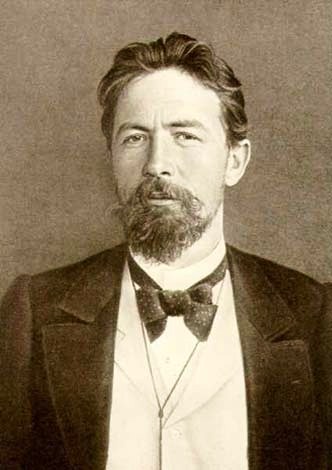
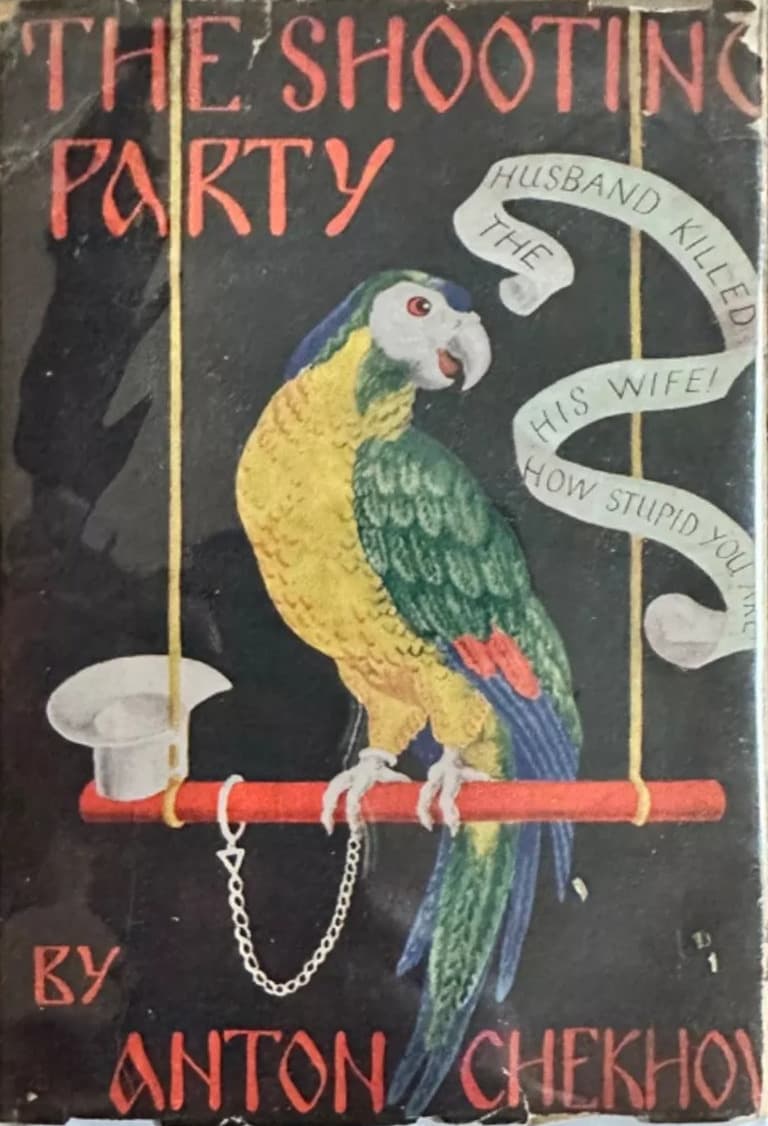
The Sea-Gull
1953
In a remote lakeside estate, a young playwright stages an experimental drama for his mother, a celebrated actress, and her famous lover, a celebrated writer. The performance collapses in confusion. Years of simmering resentments, unspoken desires, and artistic jealousies then unfold across four acts, each more devastating than the last. Nina, a naive young woman hungry for meaning, becomes the object of affection for both the ambitious young son and the world-weary author, setting in motion a tragedy of dashed hopes and broken promises. Masha, dressed in perpetual black, loves a man who cannot love her back. The great Arkadina watches her own obsolescence with fury. Every character in this play reaches toward something just out of grasp, like a bird striking glass. Chekhov's great innovation was to show that the drama lies not in what happens, but in what remains unsaid. The Sea-Gull endures because it captures something true about the cruelty of unrequited love, the pain of creative ambition, and the way generations wound each other while believing they act from noble motives. It is for readers who understand that happiness is often a matter of timing, and that the people we love most are often the ones we hurt most.
Editions
X-Ray
“If you ever have need of my life, come and take it.””
— Anton Pavlovich Chekhov
“MEDVIEDENKO Why do you always wear mourning? MASHA I dress in black to match my life. I am unhappy.””
— Anton Pavlovich Chekhov
“In all the universe nothing remains permanent and unchanged but the spirit.””
— Anton Pavlovich Chekhov
“We should show life neither as it is, nor as it should be, but as we see it in our dreams.””
— Anton Pavlovich Chekhov
“Wine and tobacco destroy the individuality. After a cigar or a glass of vodka you are no longer Peter Sorin, but Peter Sorin plus somebody else. Your ego breaks in two: you begin to think of yourself in the third person.””
— Anton Pavlovich Chekhov
“How easy it is, Doctor, to be a philosopher on paper, and how difficult in real life!””
— Anton Pavlovich Chekhov
“I'm in mourning for my life.””
— Anton Pavlovich Chekhov
“It is always "Youth, youth," when there is nothing else to be said.””
— Anton Pavlovich Chekhov
“TRIGORIN Why do I hear a note of sadness that wrings my heart in this cry of a pure soul? If at any time you should have need of my life, come and take it.””
— Anton Pavlovich Chekhov
Link to this book
Add a free, dofollow link to Lex on your blog, forum, syllabus, or reading list.

<a href="https://lex-books.com/book/the-sea-gull-2cd559bb-35fb-4d92-a333-d78e42f8880d"><img src="https://lex-books.com/badges/read-on-lex.svg" alt="Read The Sea-Gull by Anton Pavlovich Chekhov free on Lex" width="160" height="40"></a>[](https://lex-books.com/book/the-sea-gull-2cd559bb-35fb-4d92-a333-d78e42f8880d)[url=https://lex-books.com/book/the-sea-gull-2cd559bb-35fb-4d92-a333-d78e42f8880d][img]https://lex-books.com/badges/read-on-lex.svg[/img][/url]Read The Sea-Gull by Anton Pavlovich Chekhov free on Lex: https://lex-books.com/book/the-sea-gull-2cd559bb-35fb-4d92-a333-d78e42f8880dCite this book
Reading this edition for a paper or guide? Copy a citation.
Chekhov, Anton Pavlovich. The Sea-Gull. Lex, lex-books.com/book/the-sea-gull-2cd559bb-35fb-4d92-a333-d78e42f8880d.Chekhov, A. P. (1953). The Sea-Gull. Lex. https://lex-books.com/book/the-sea-gull-2cd559bb-35fb-4d92-a333-d78e42f8880dChekhov, Anton Pavlovich. The Sea-Gull. Lex. https://lex-books.com/book/the-sea-gull-2cd559bb-35fb-4d92-a333-d78e42f8880d.