Don Quixote, Vol. 1 (Ormsby Translation)
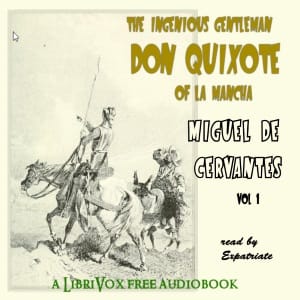
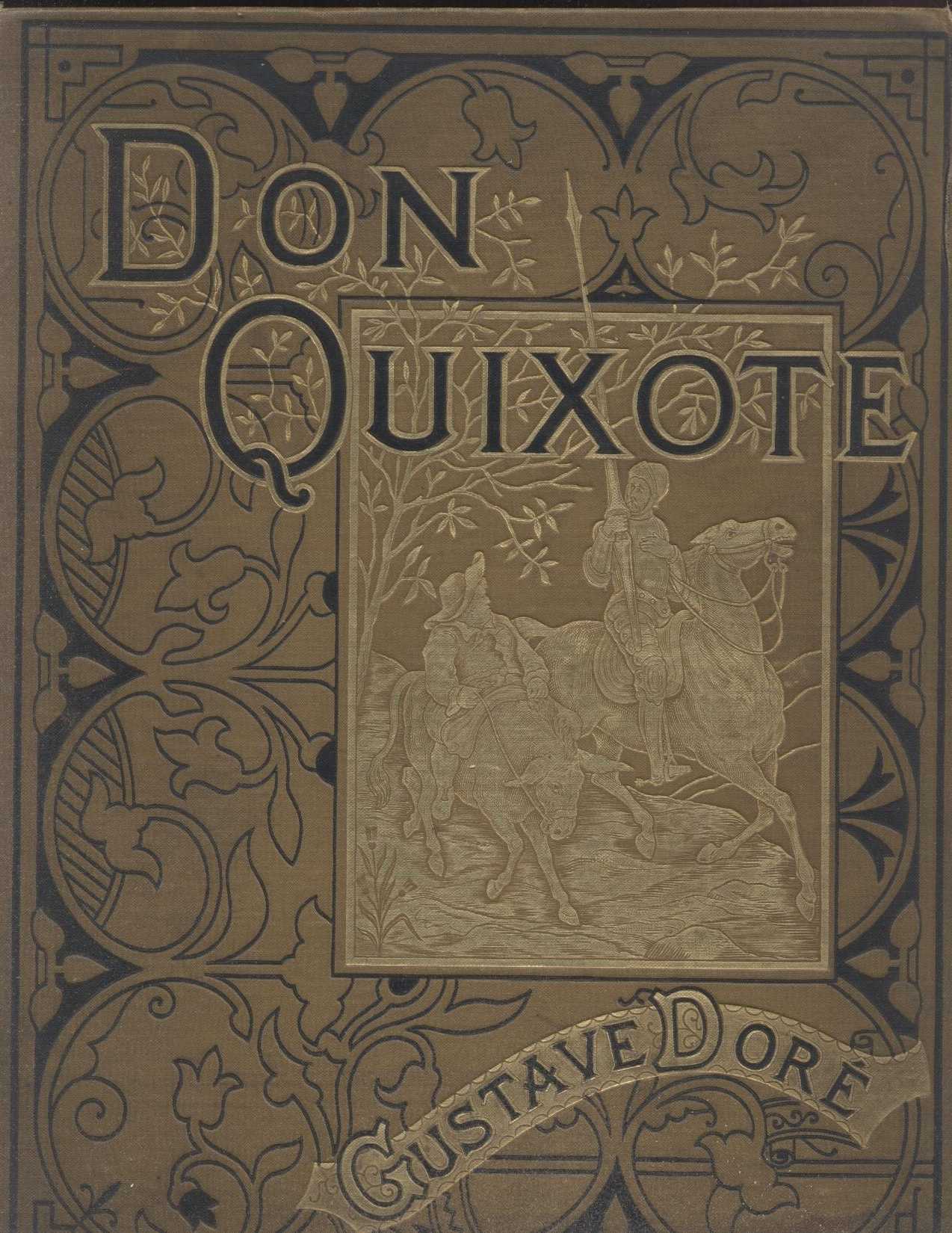
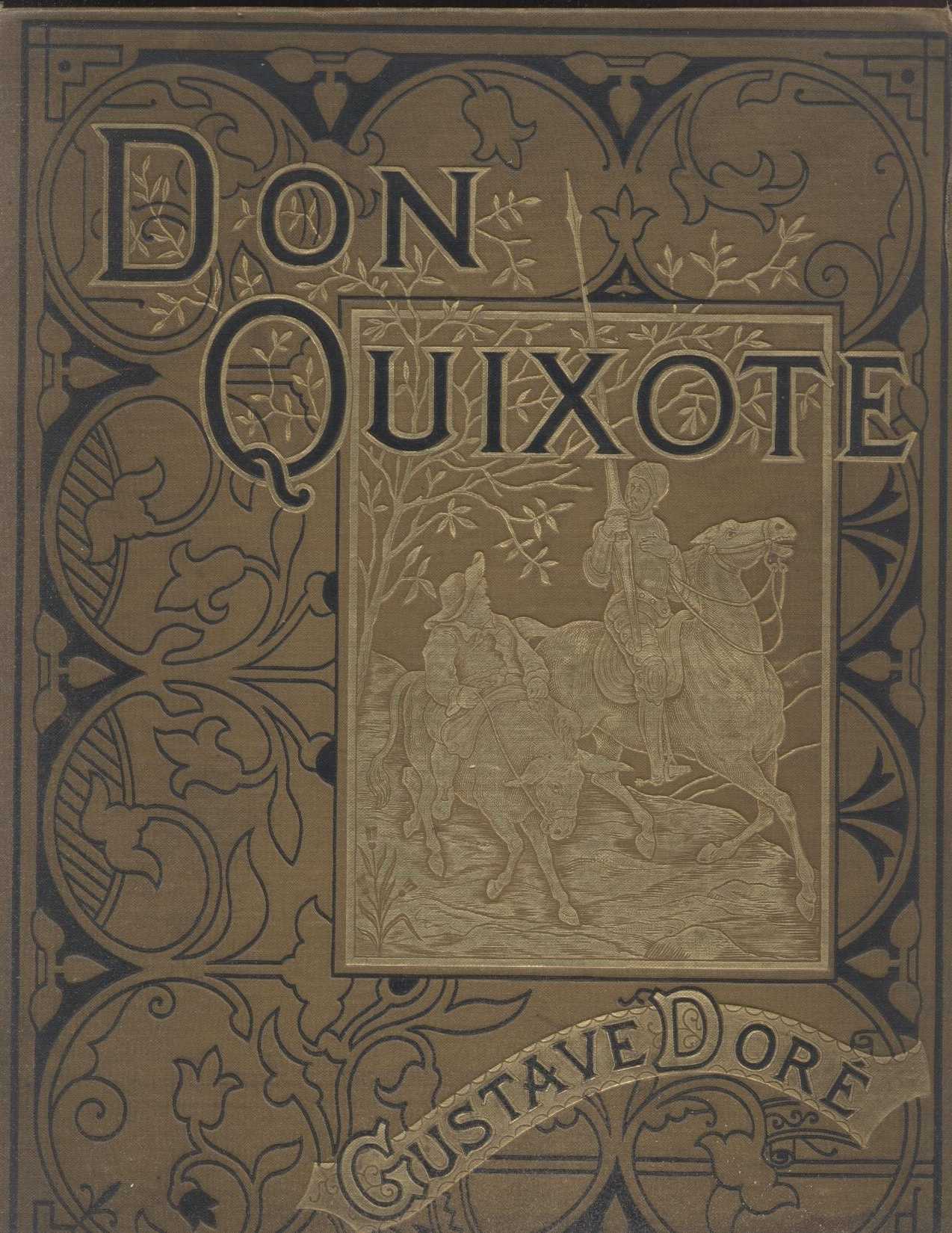
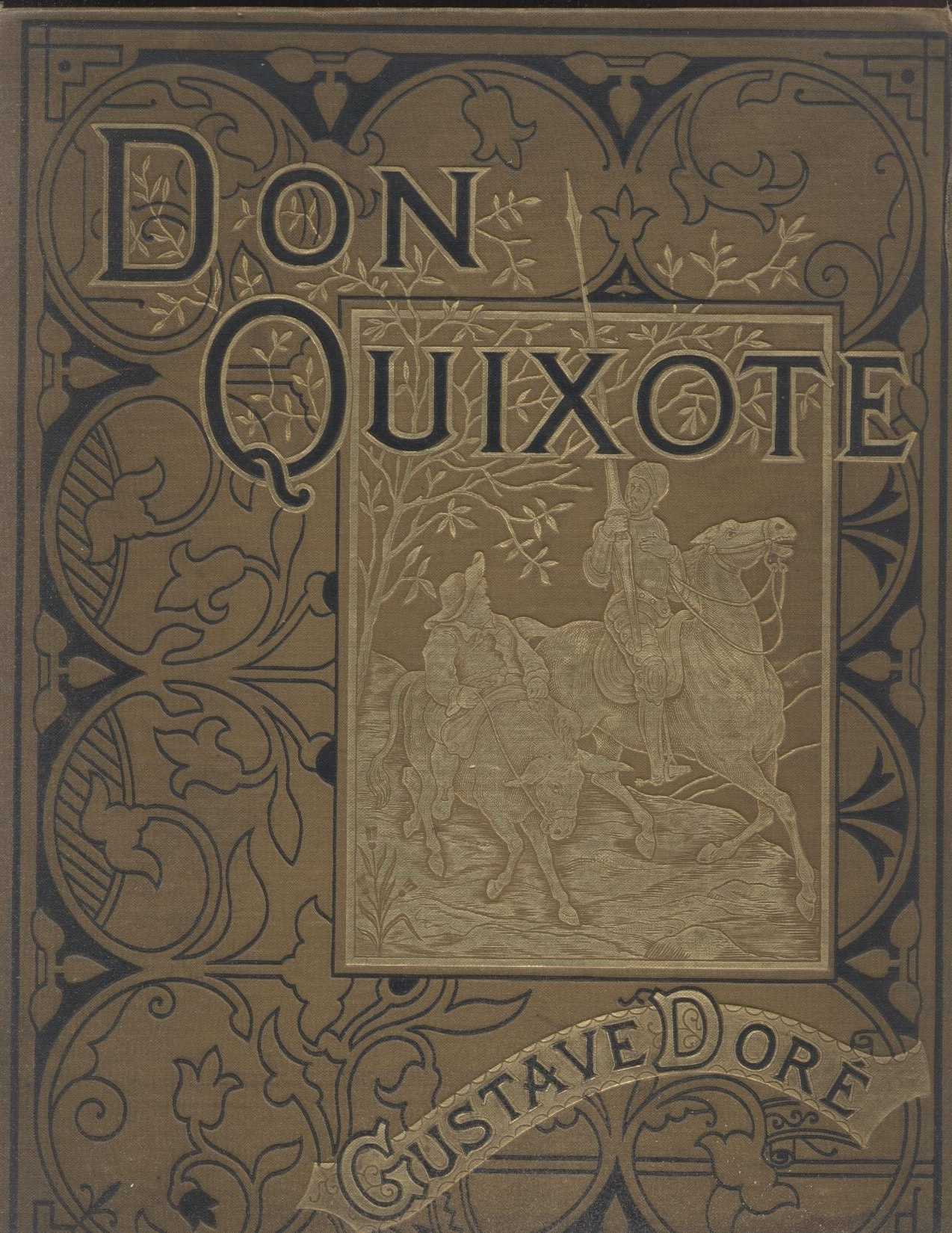
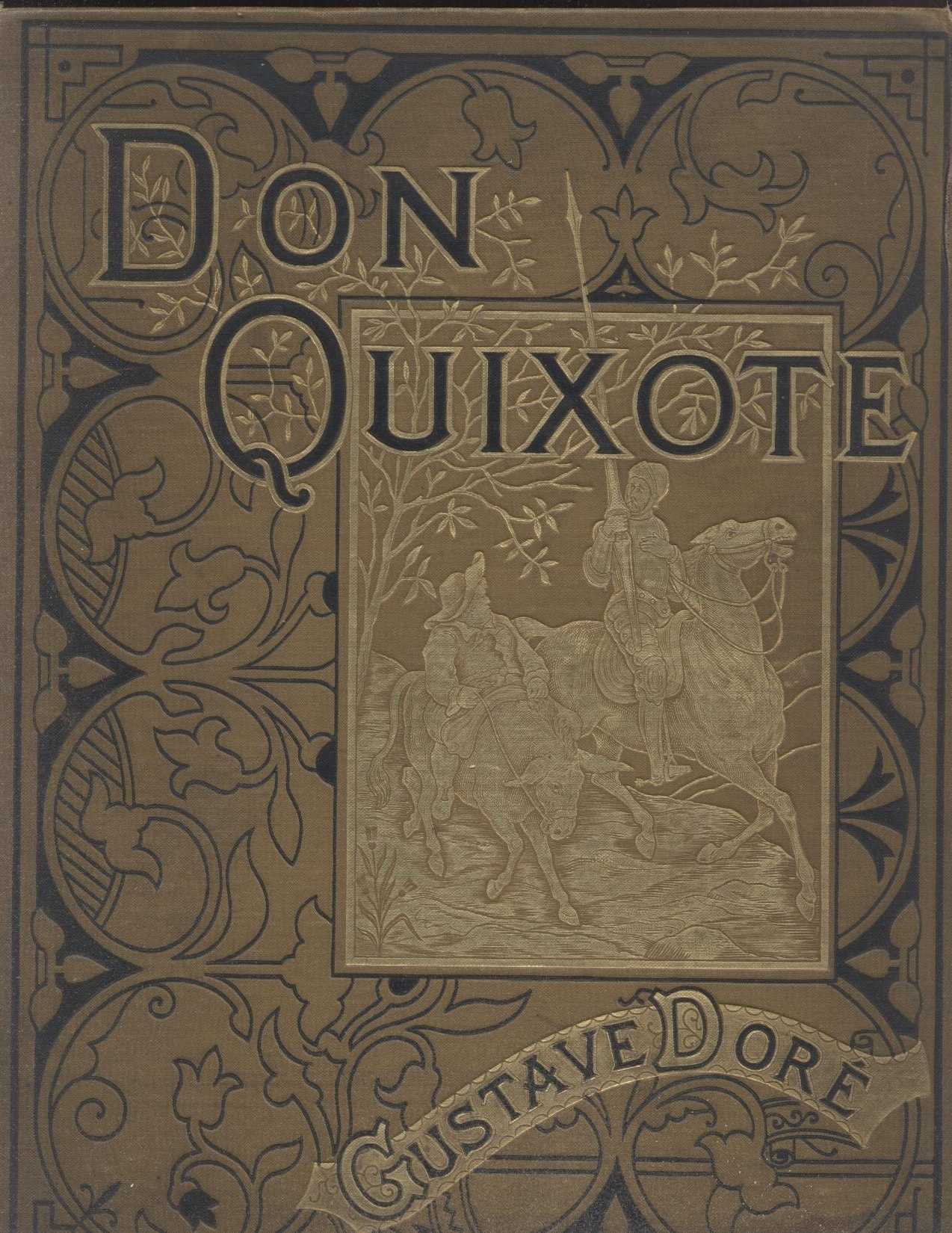
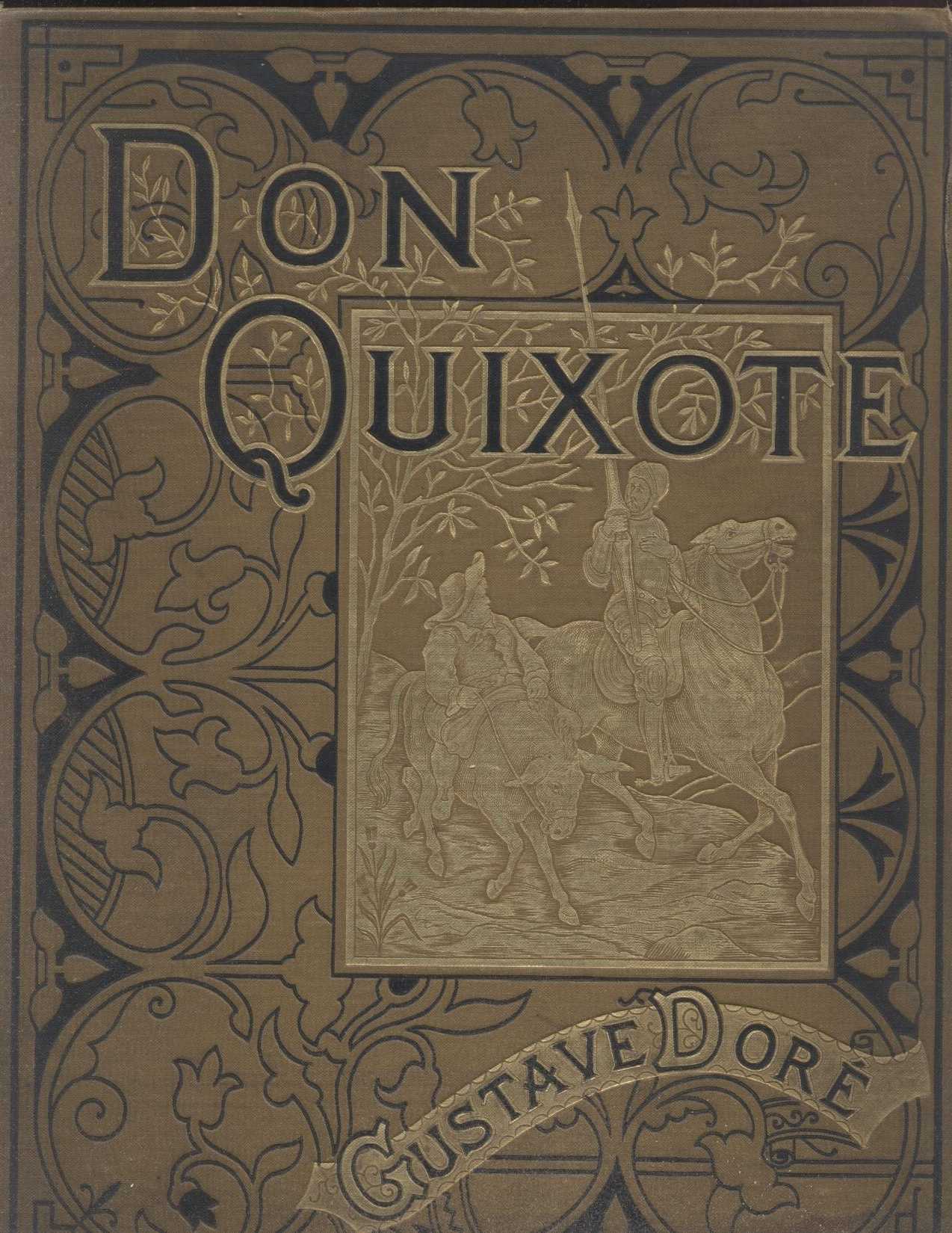
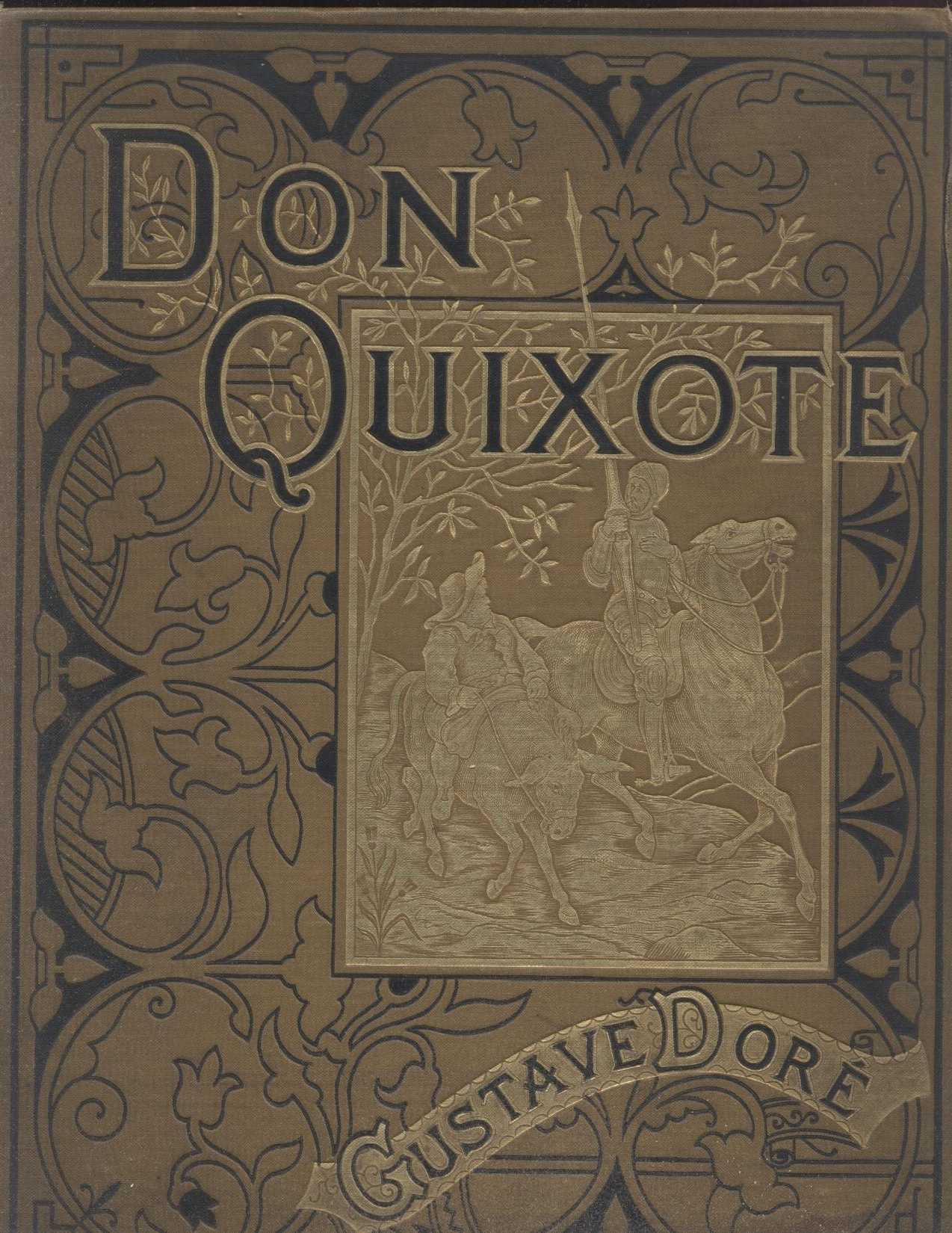
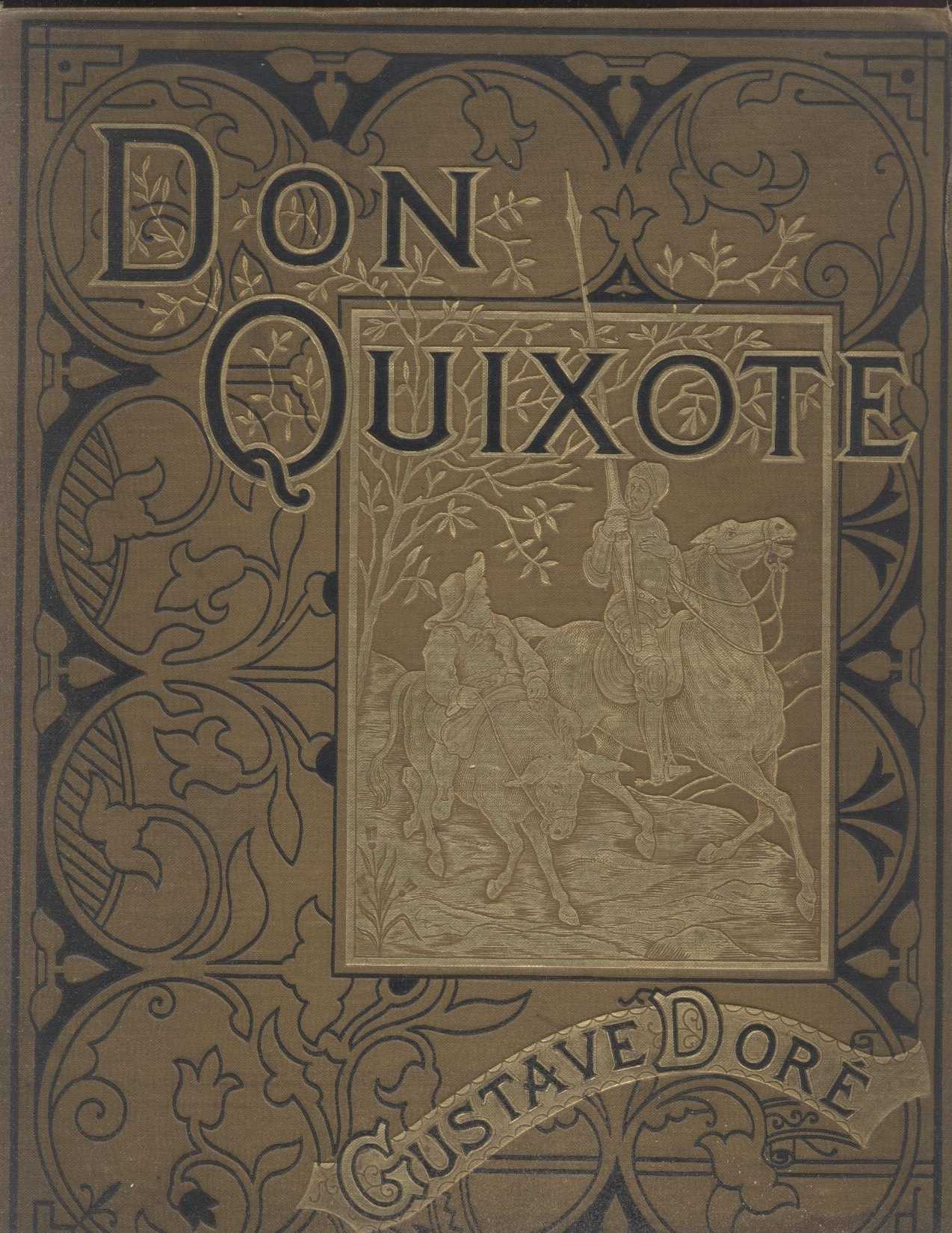
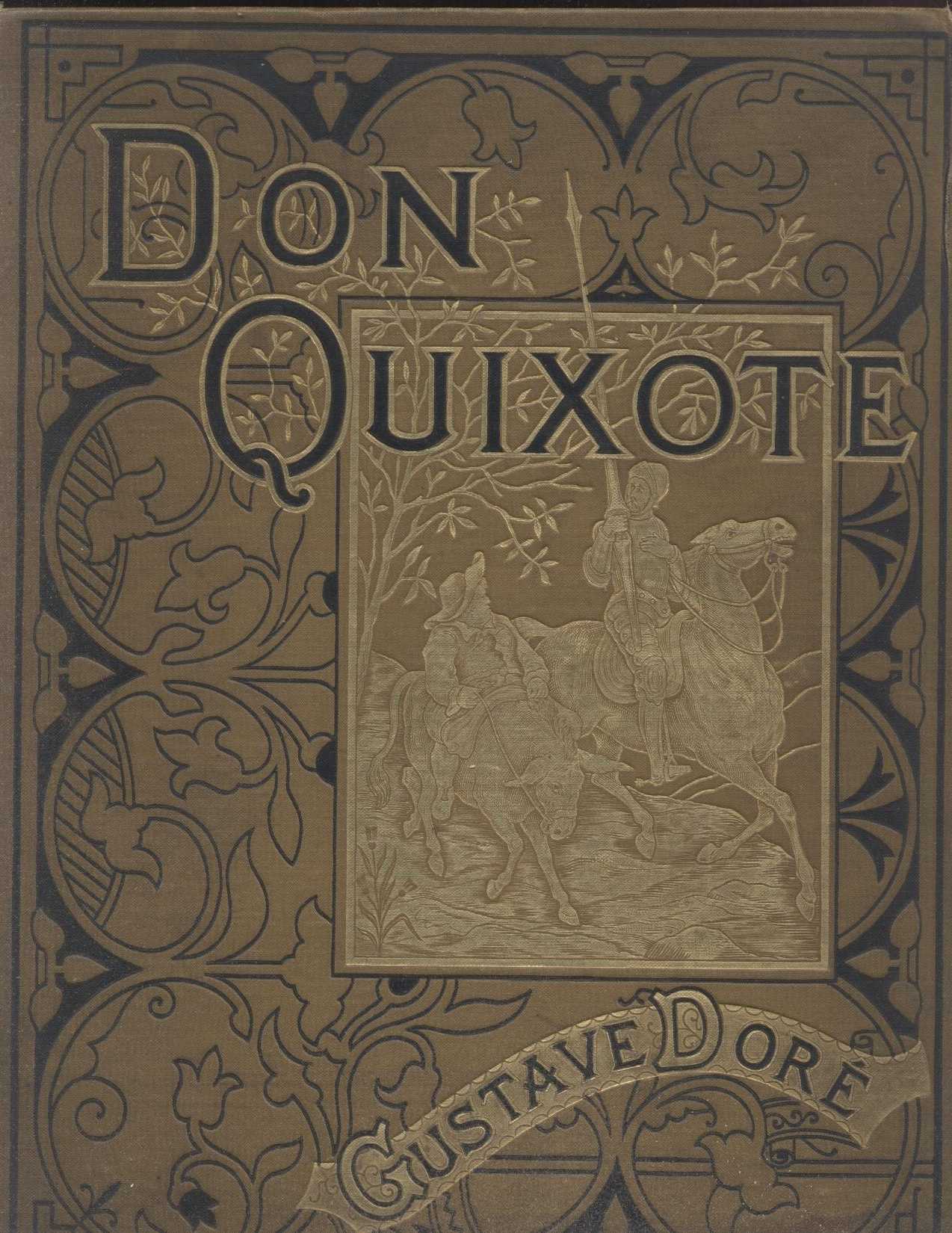
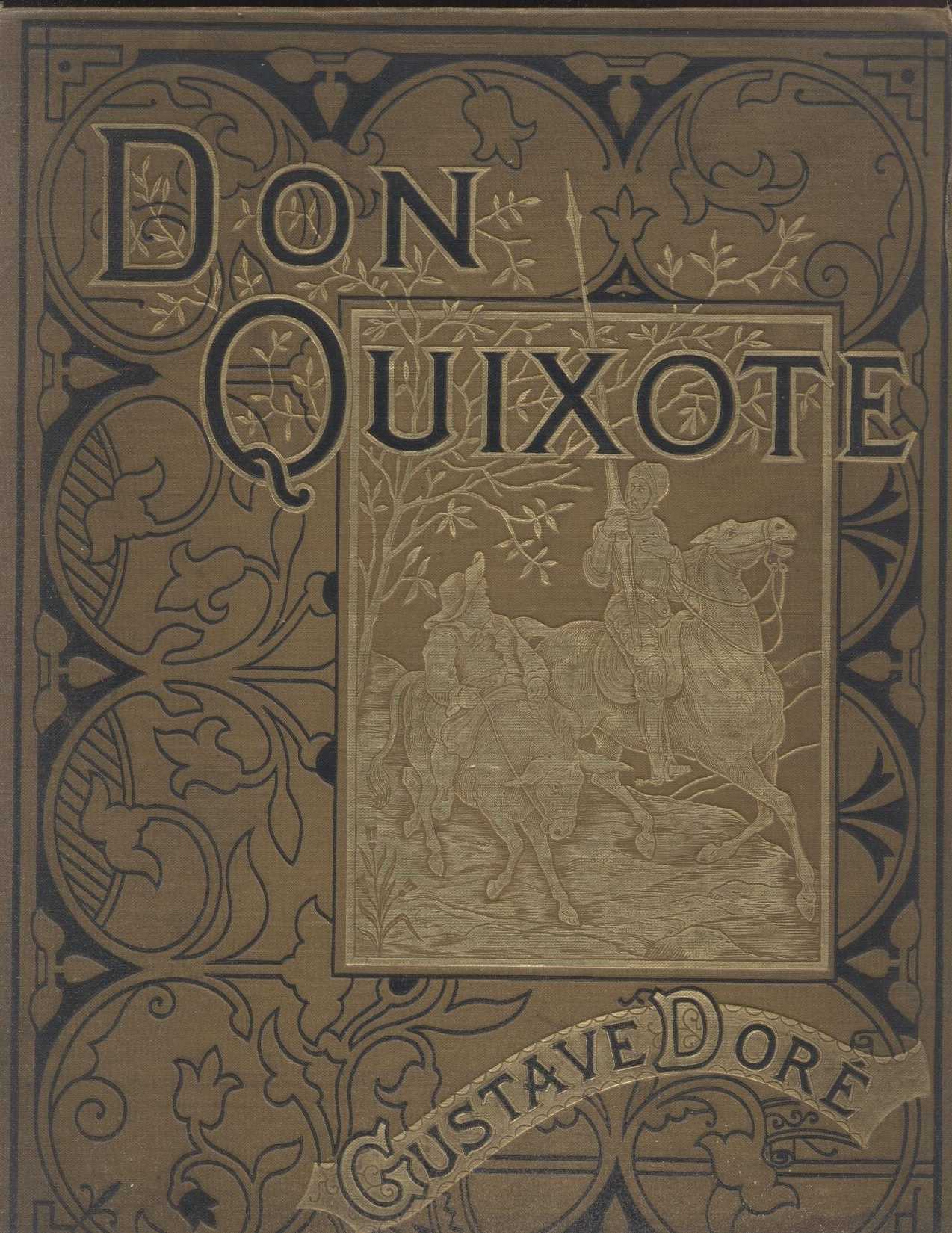
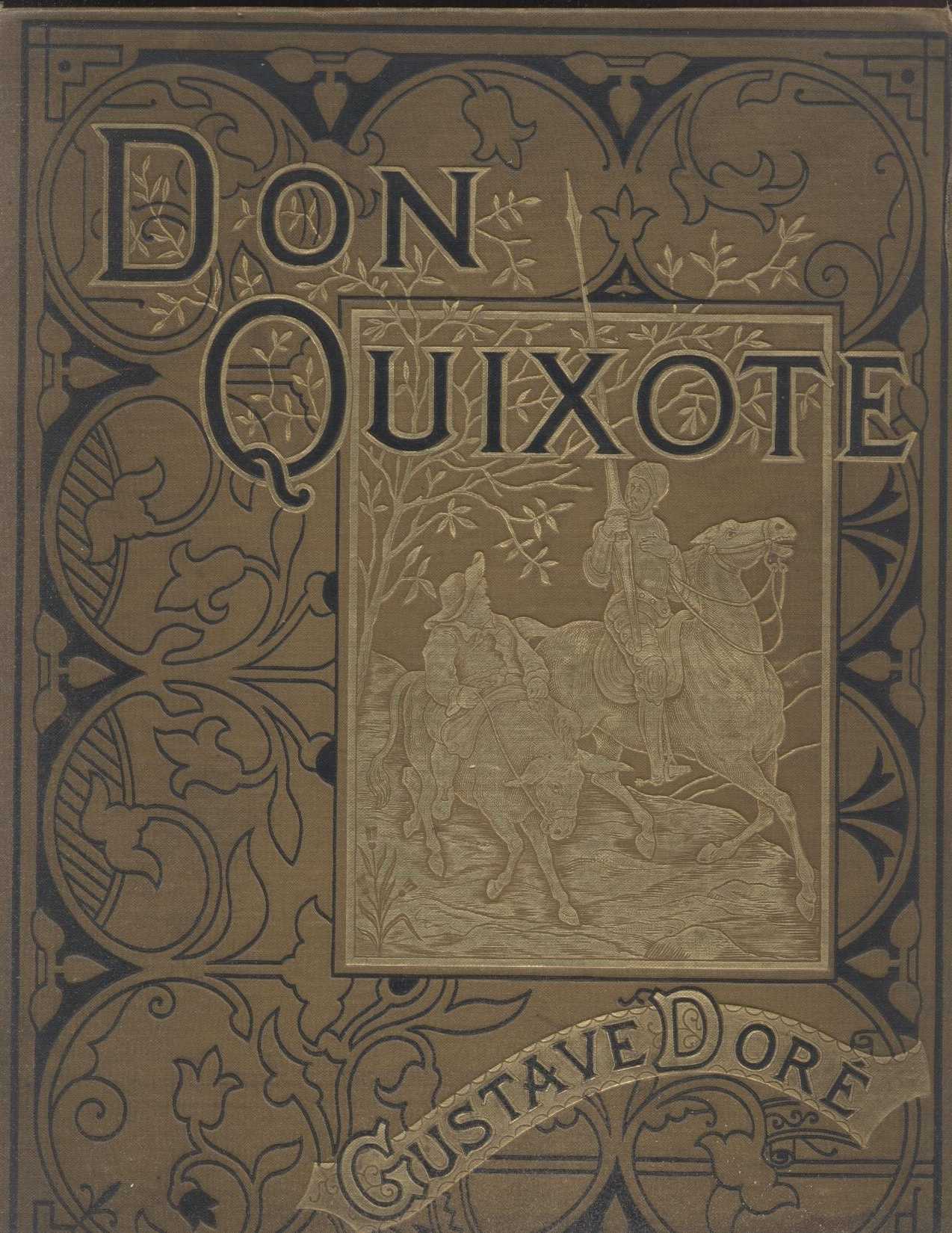
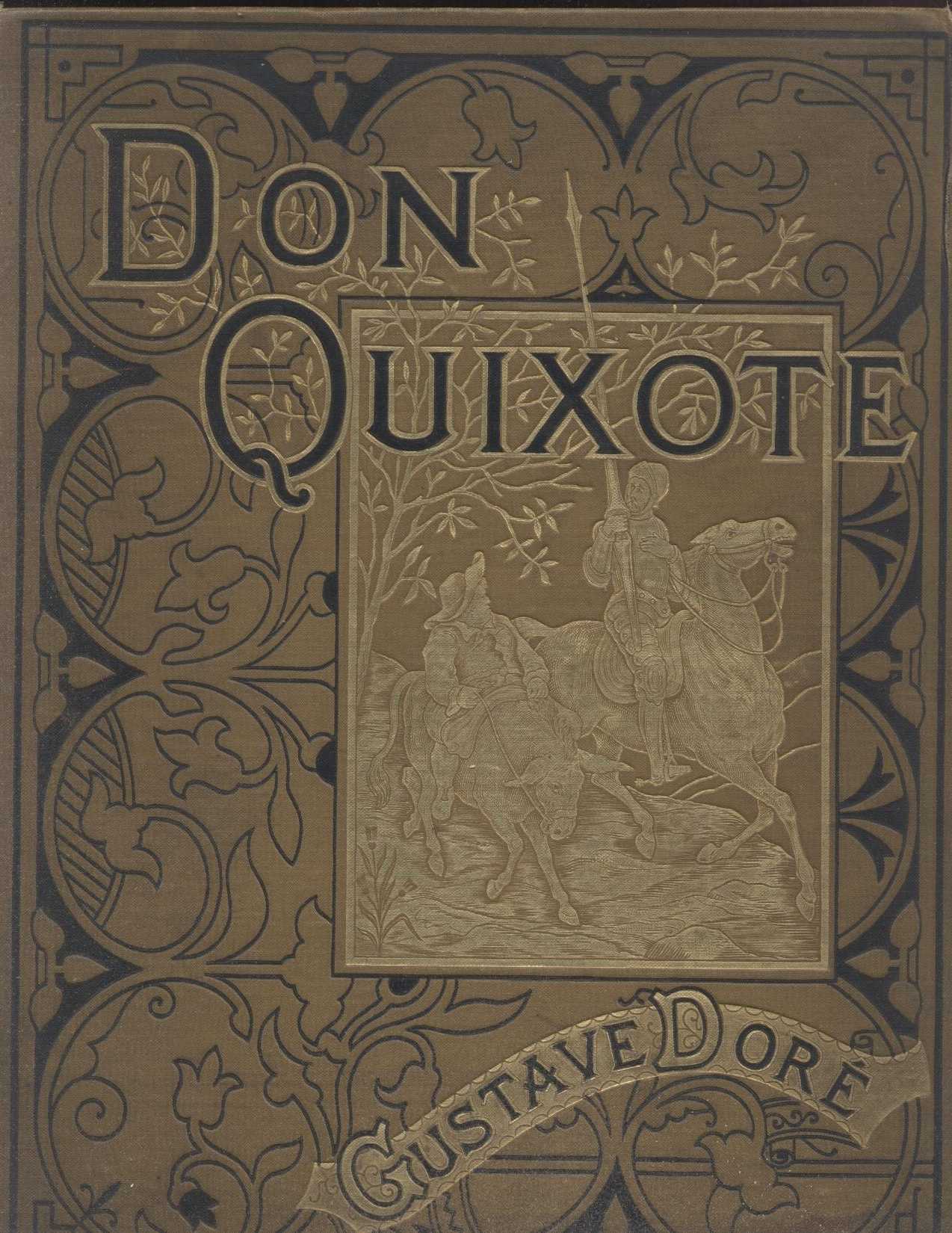
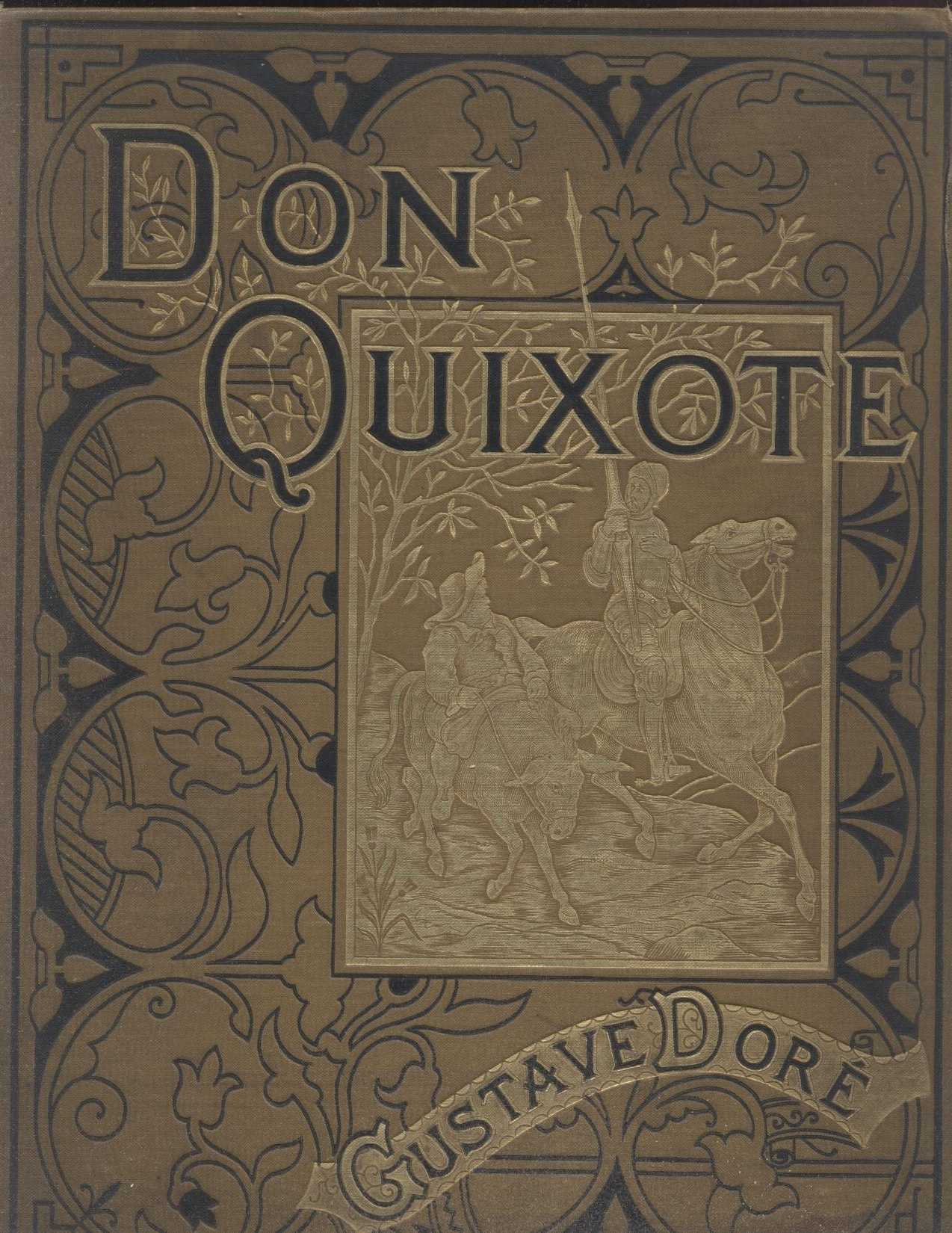
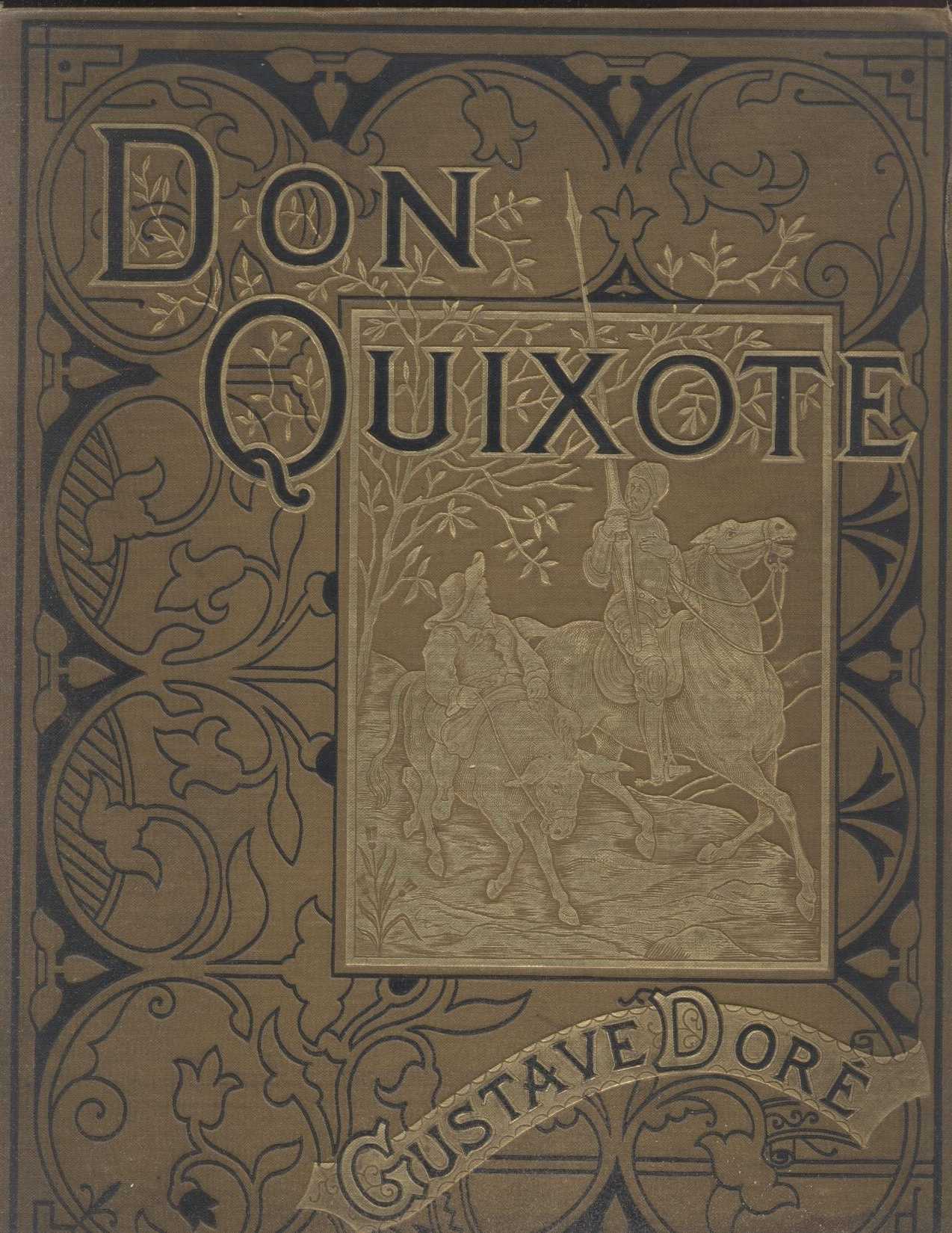
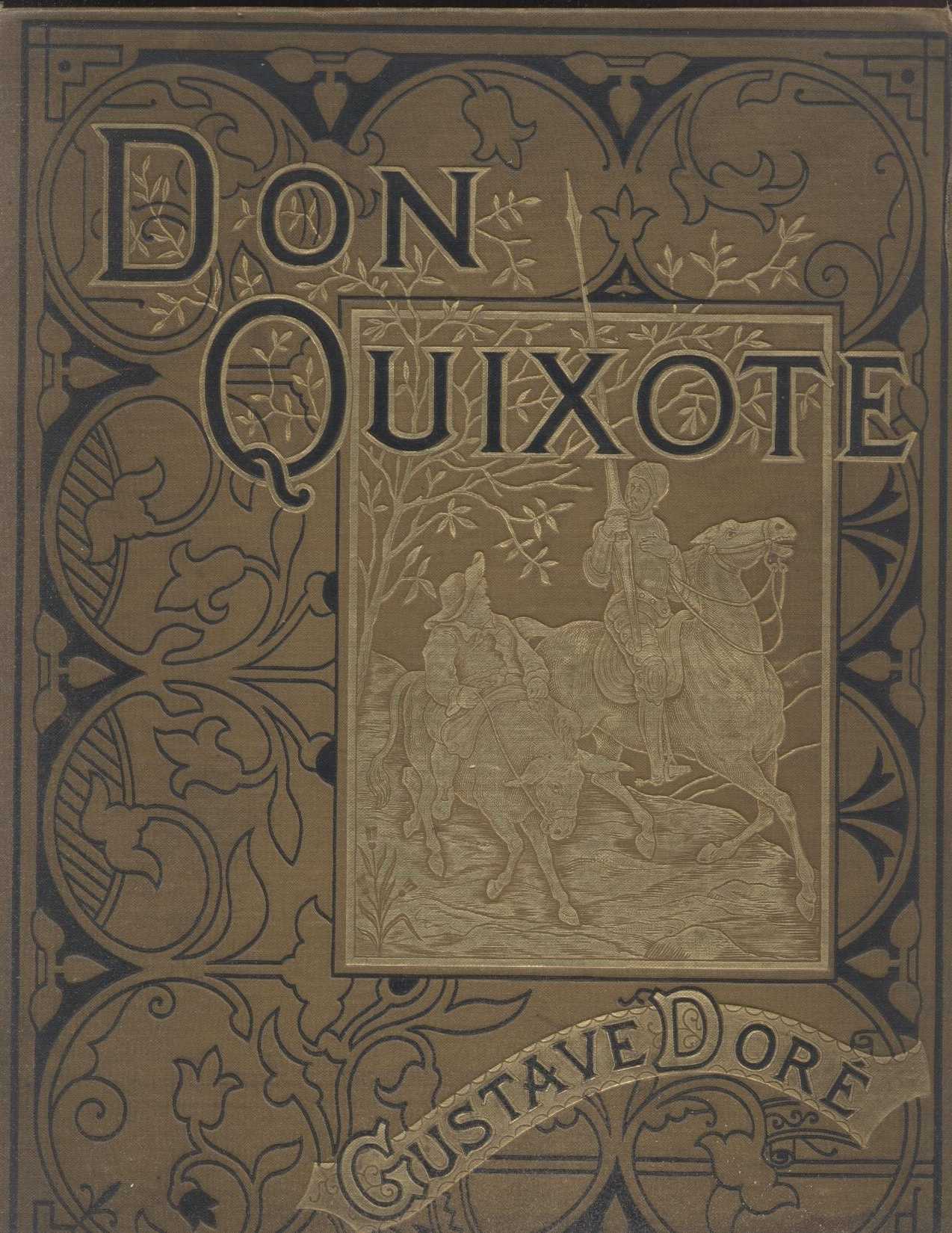
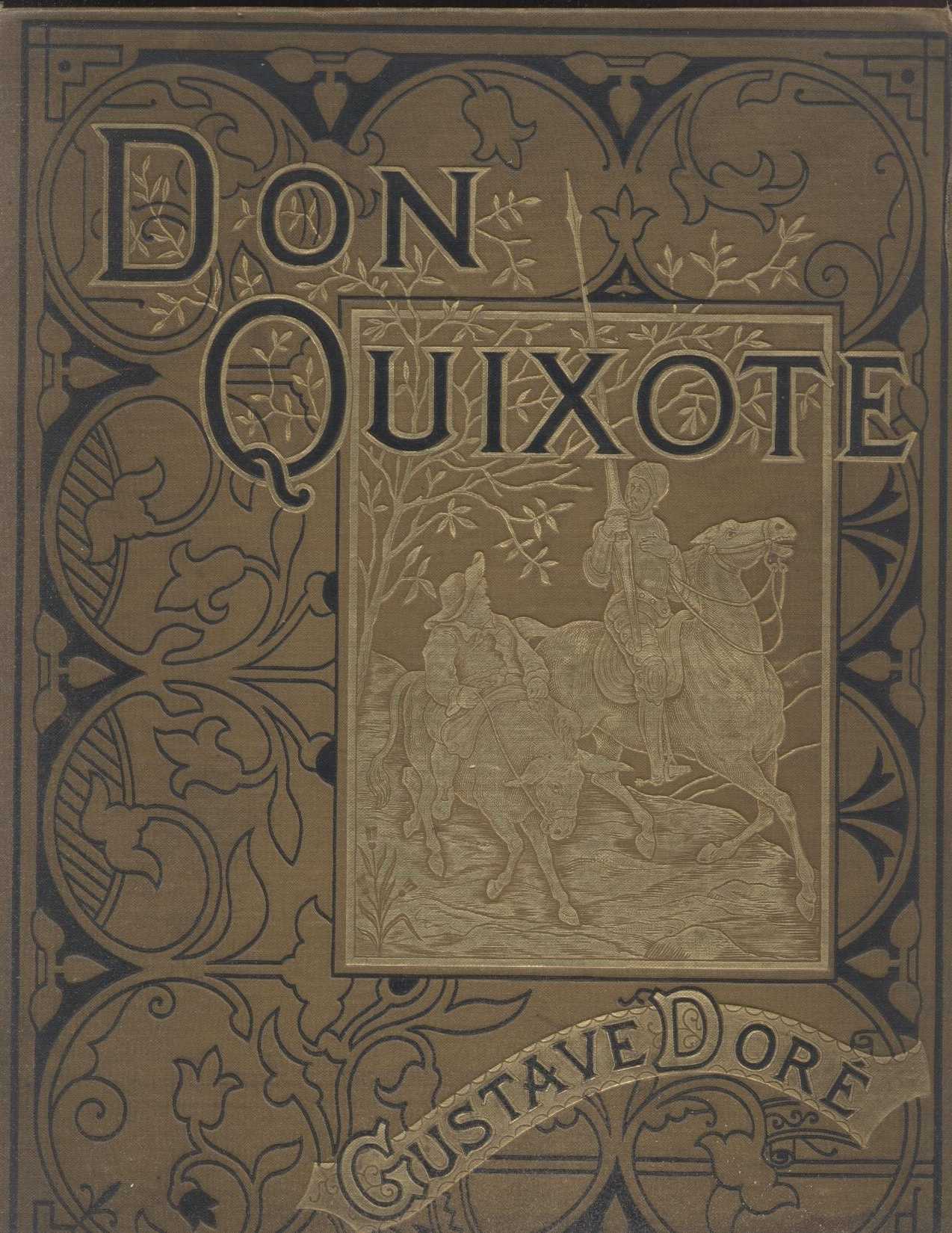
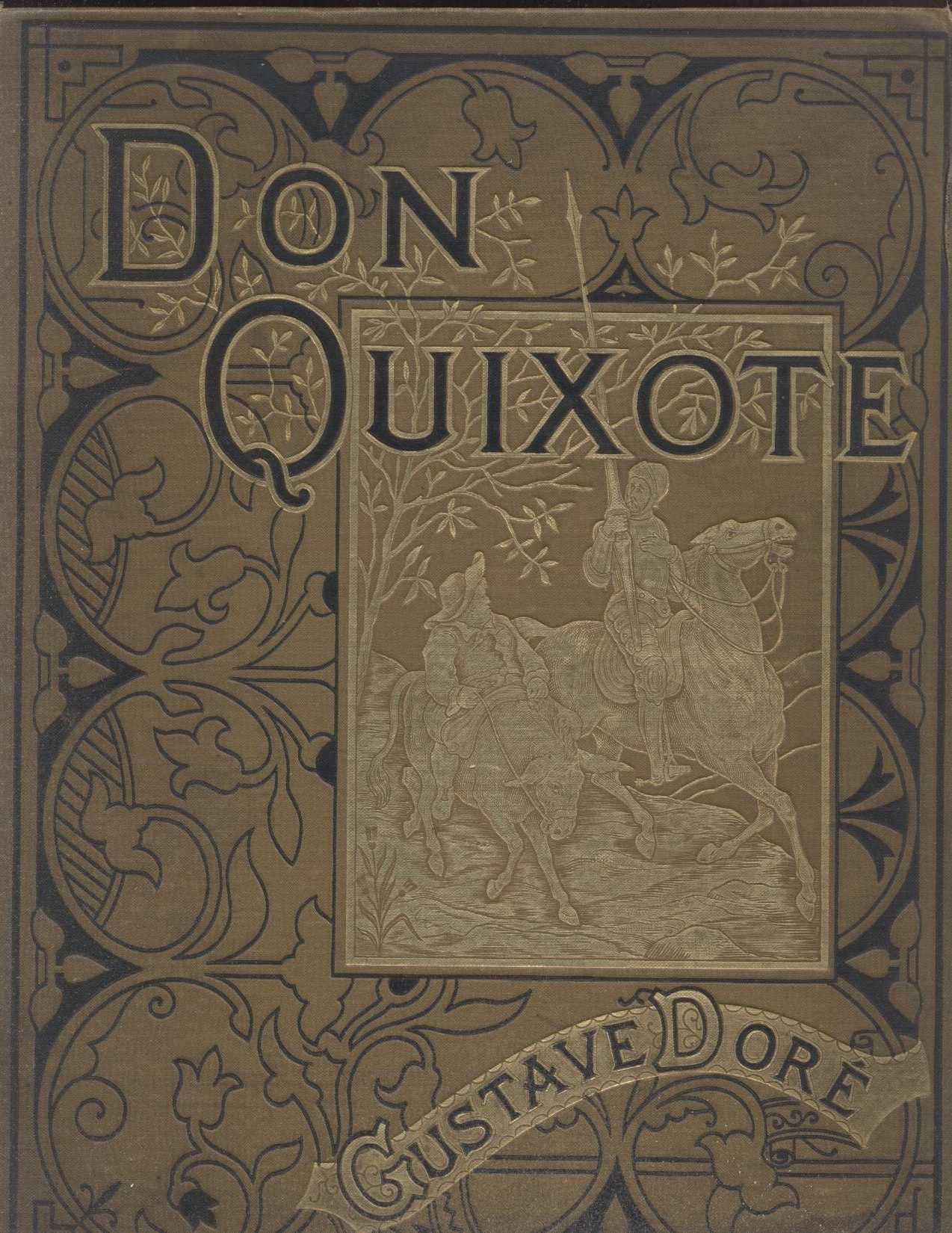
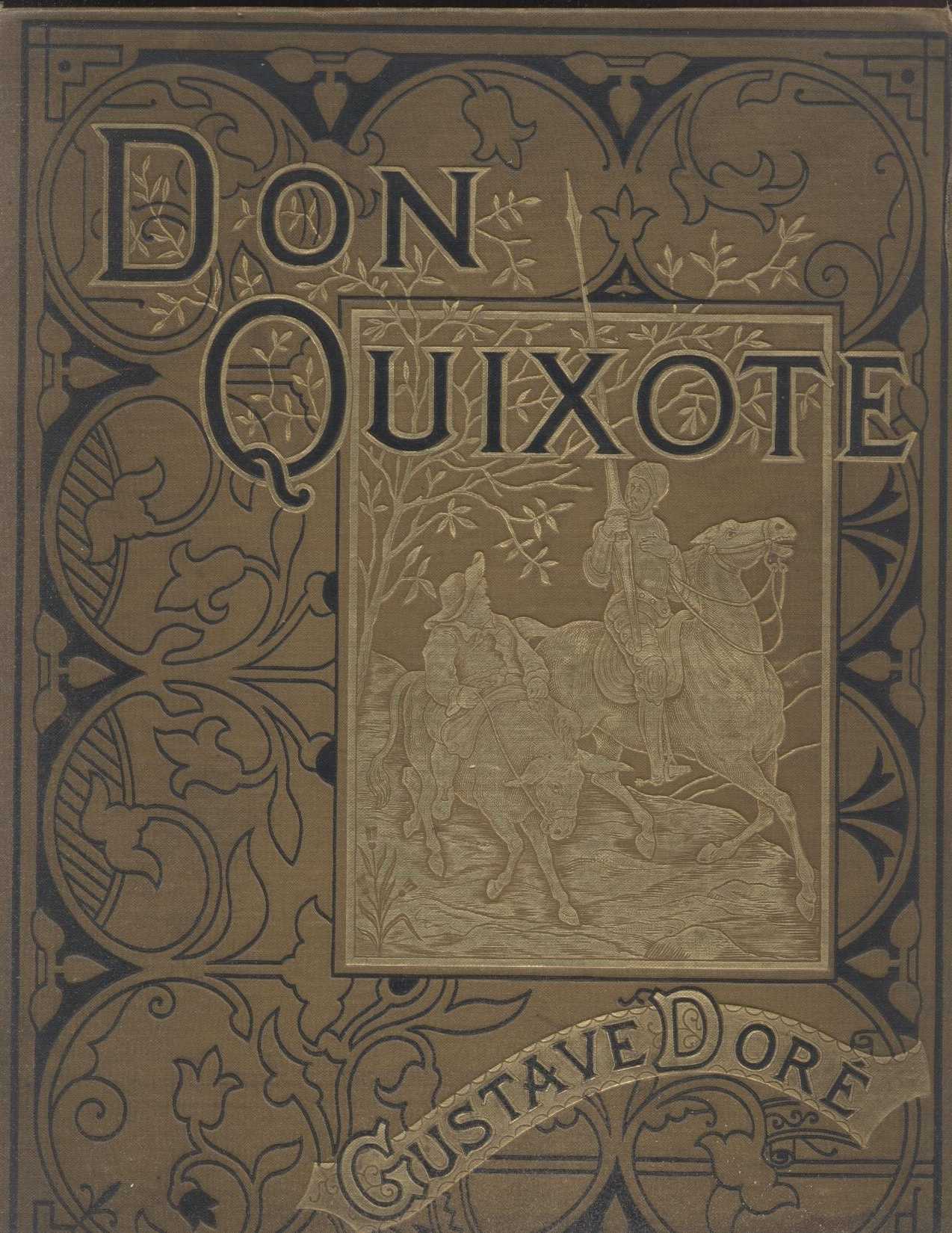
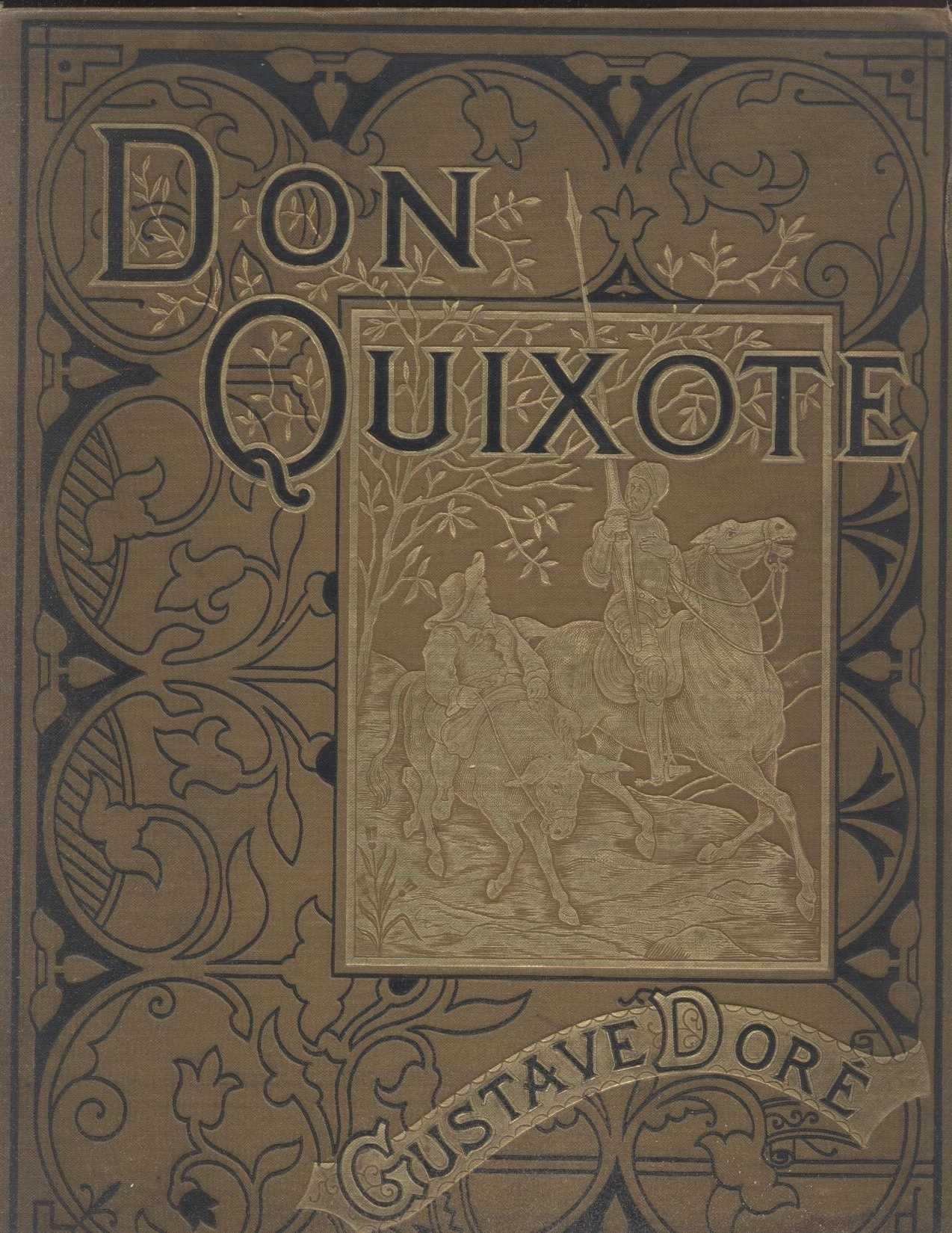
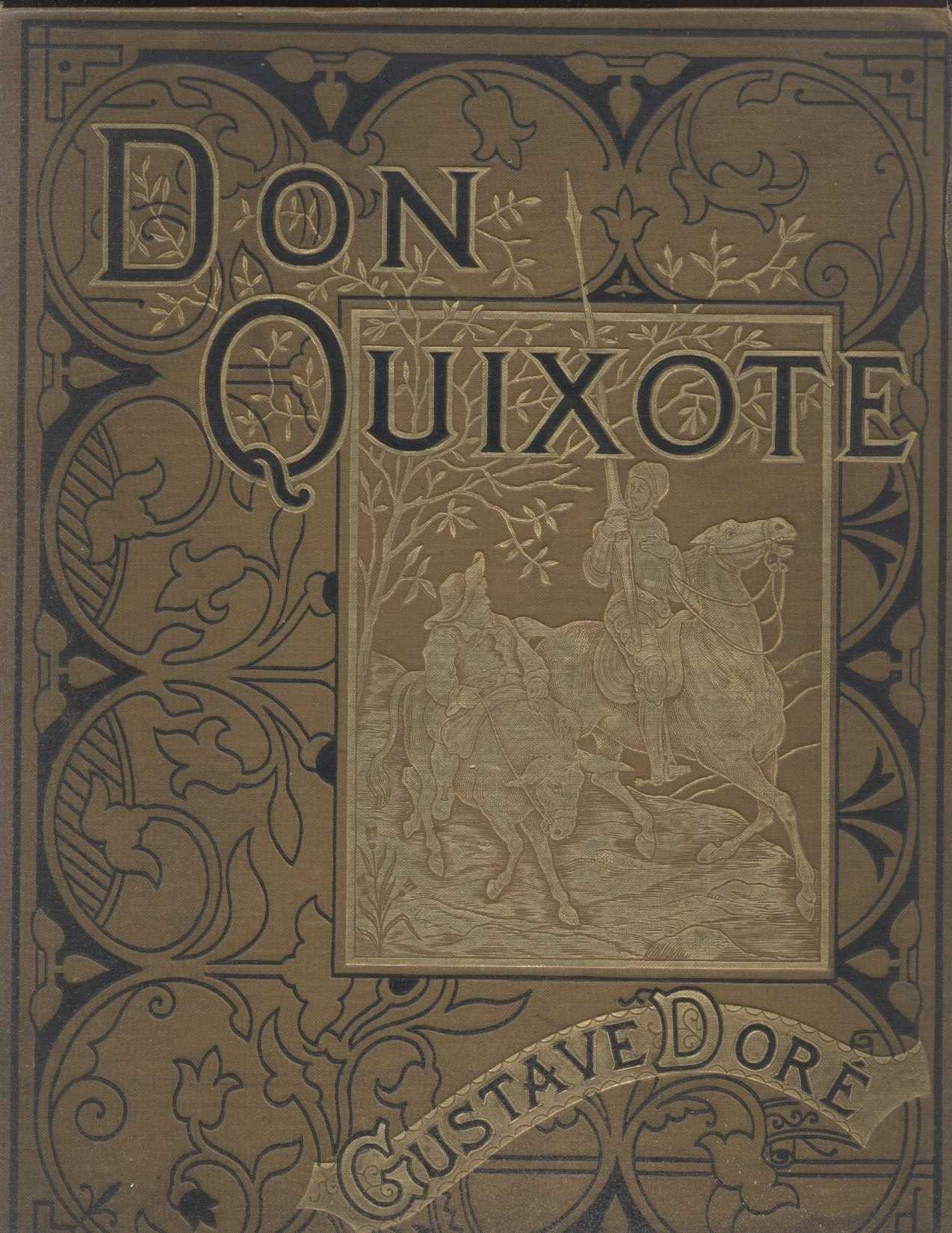
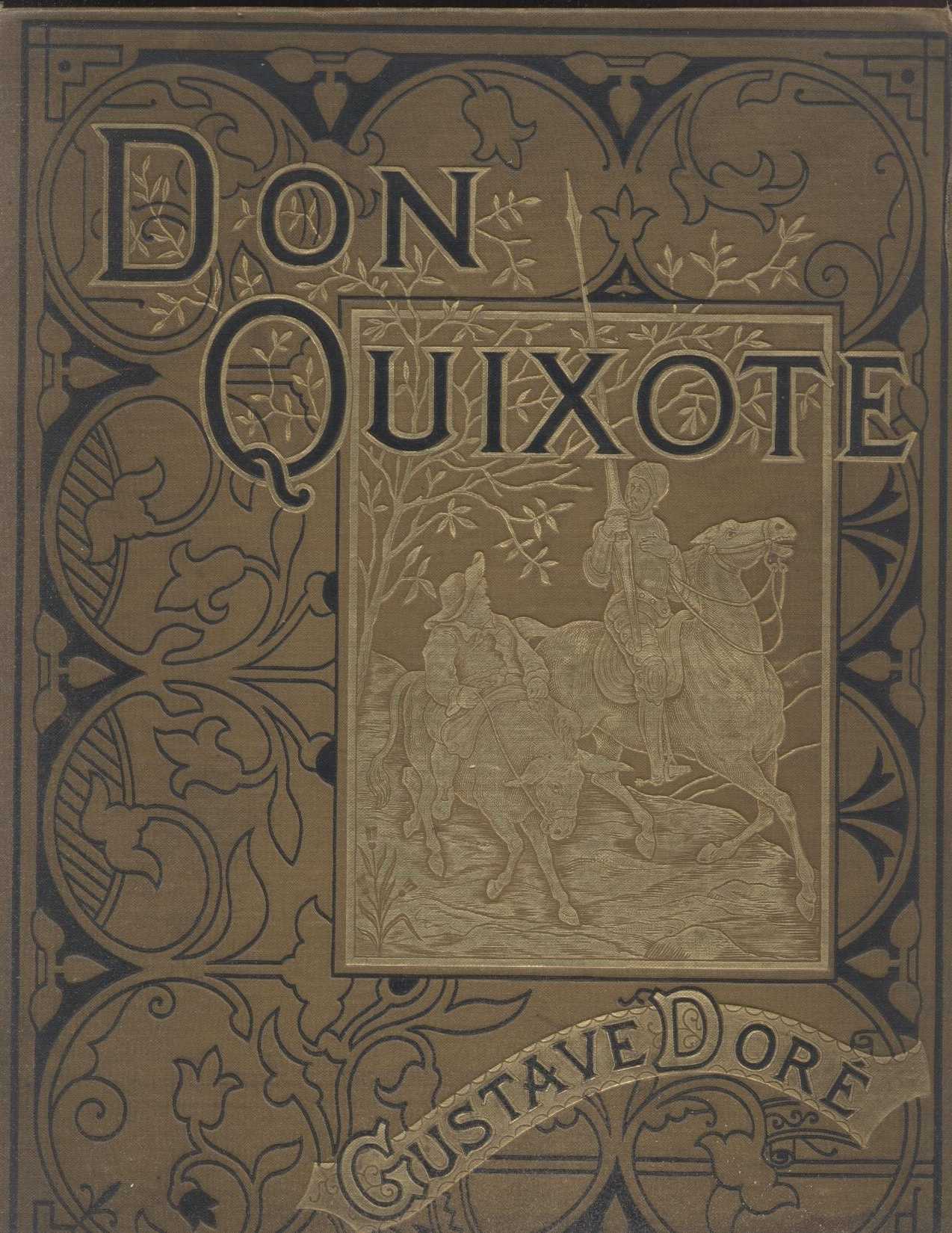
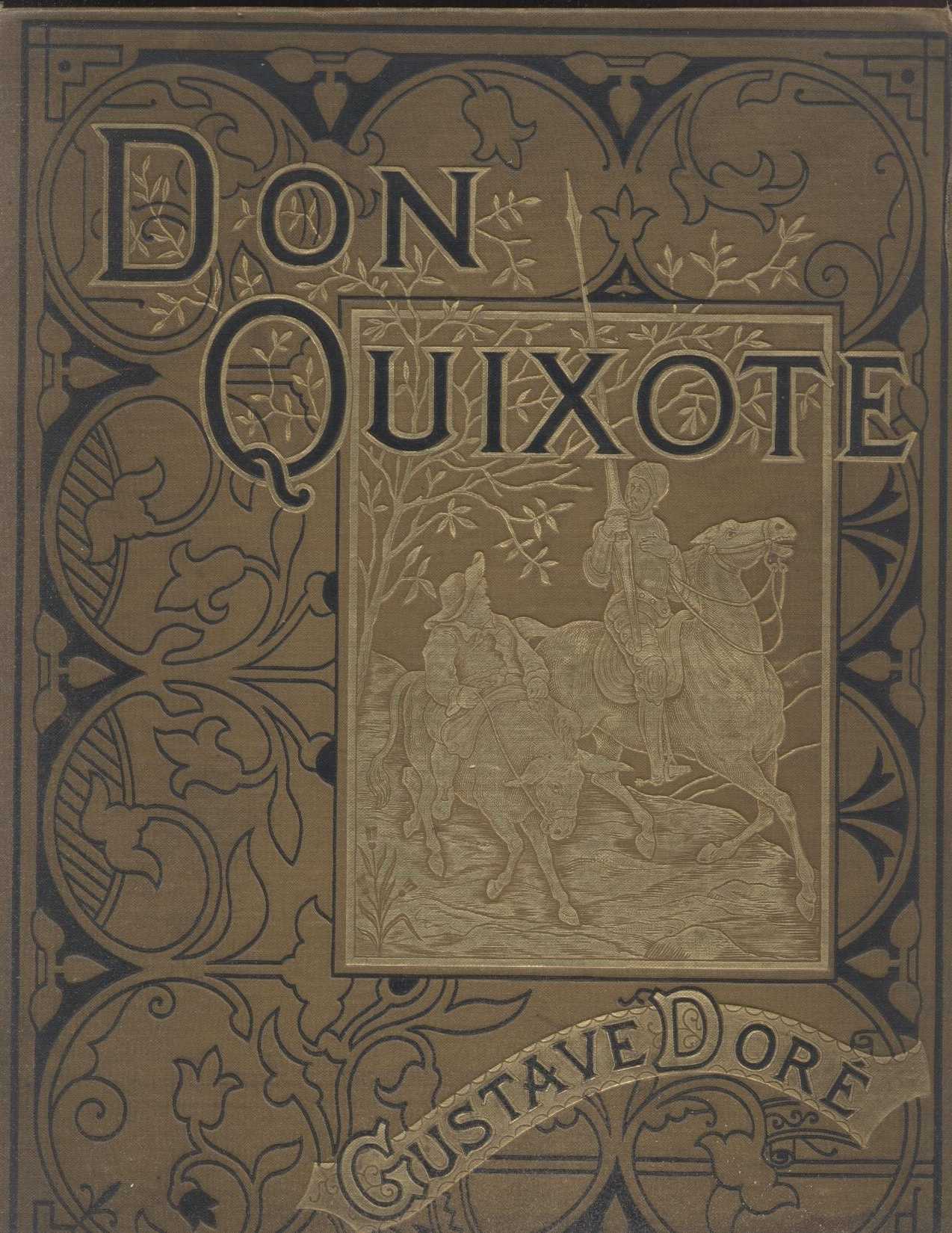
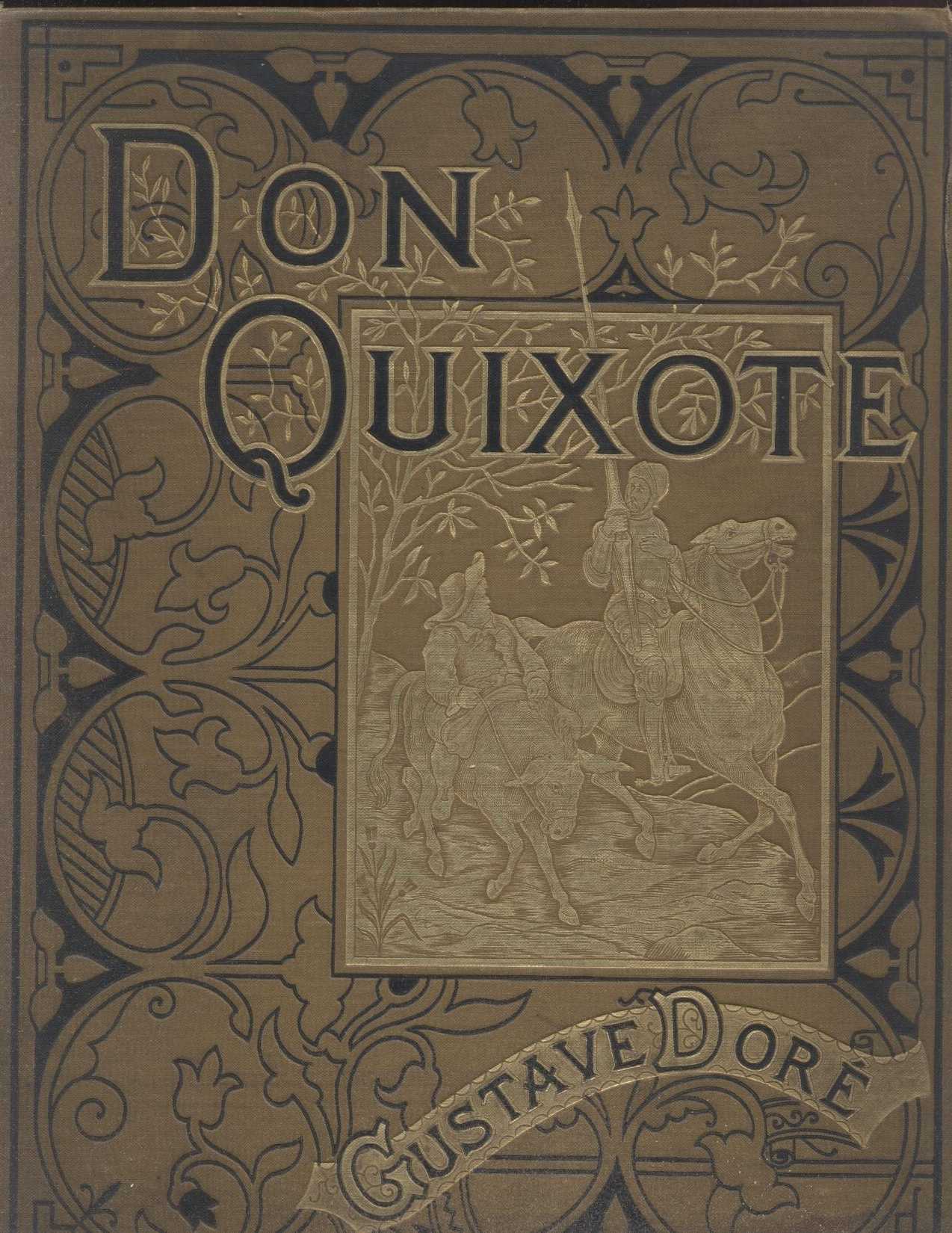
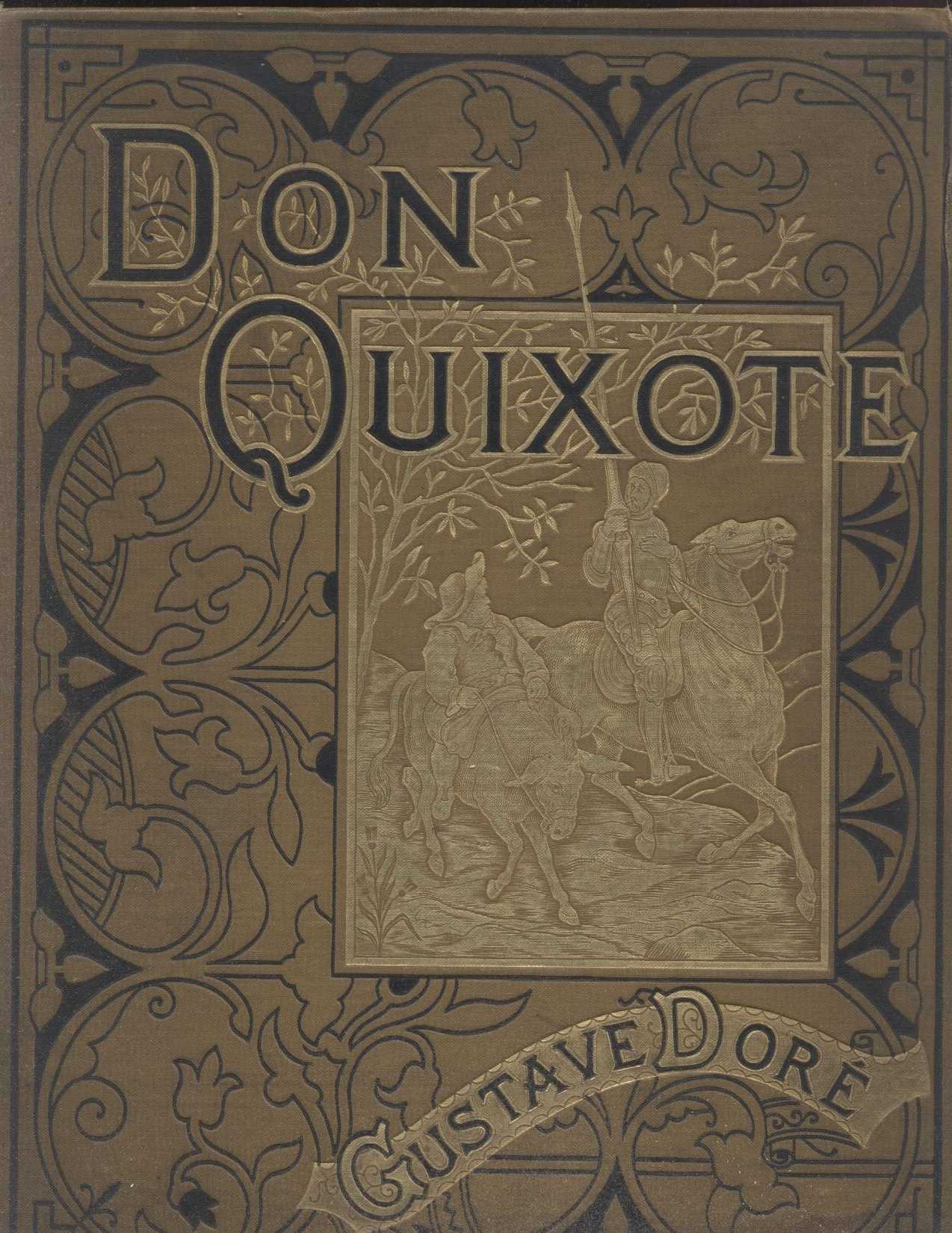
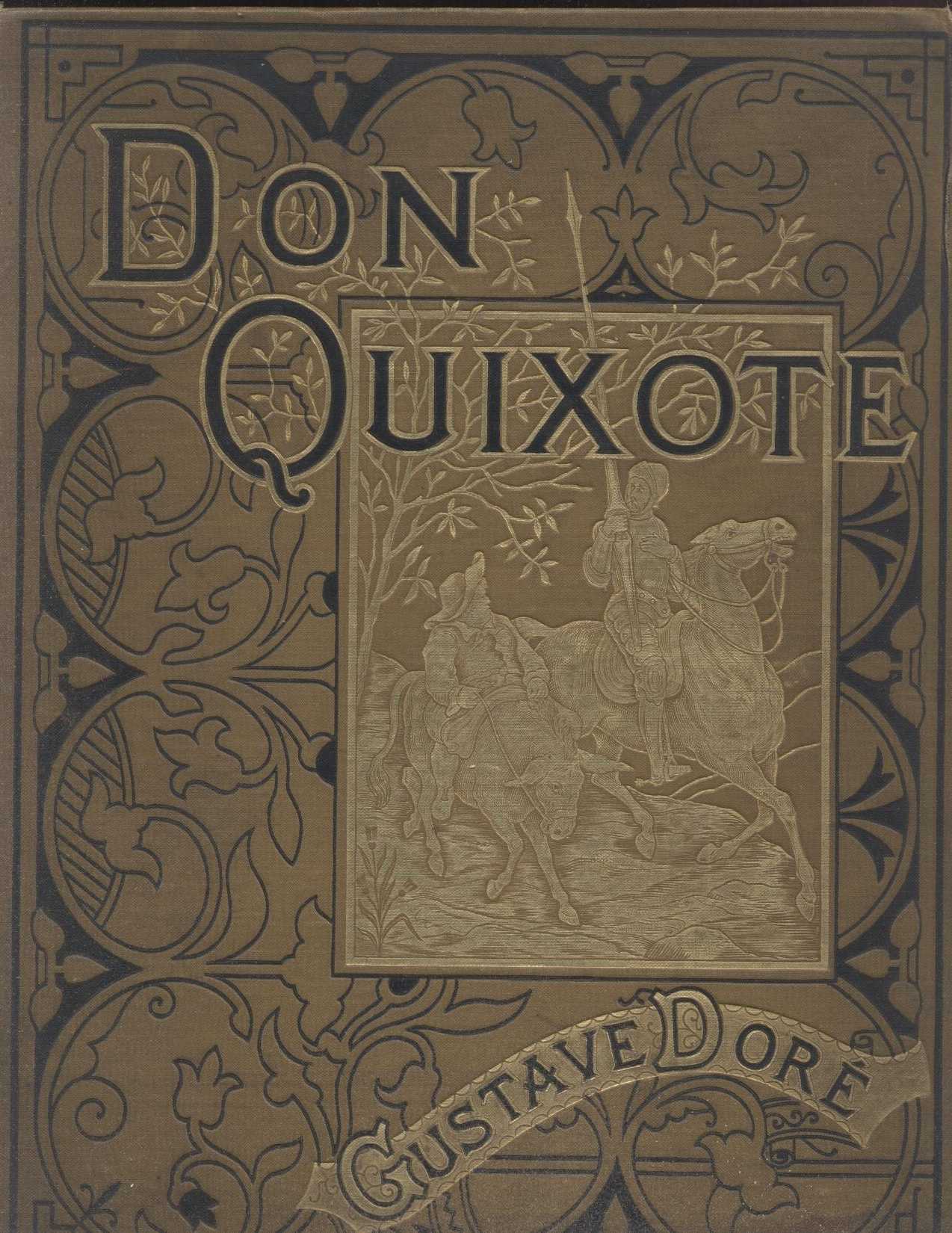
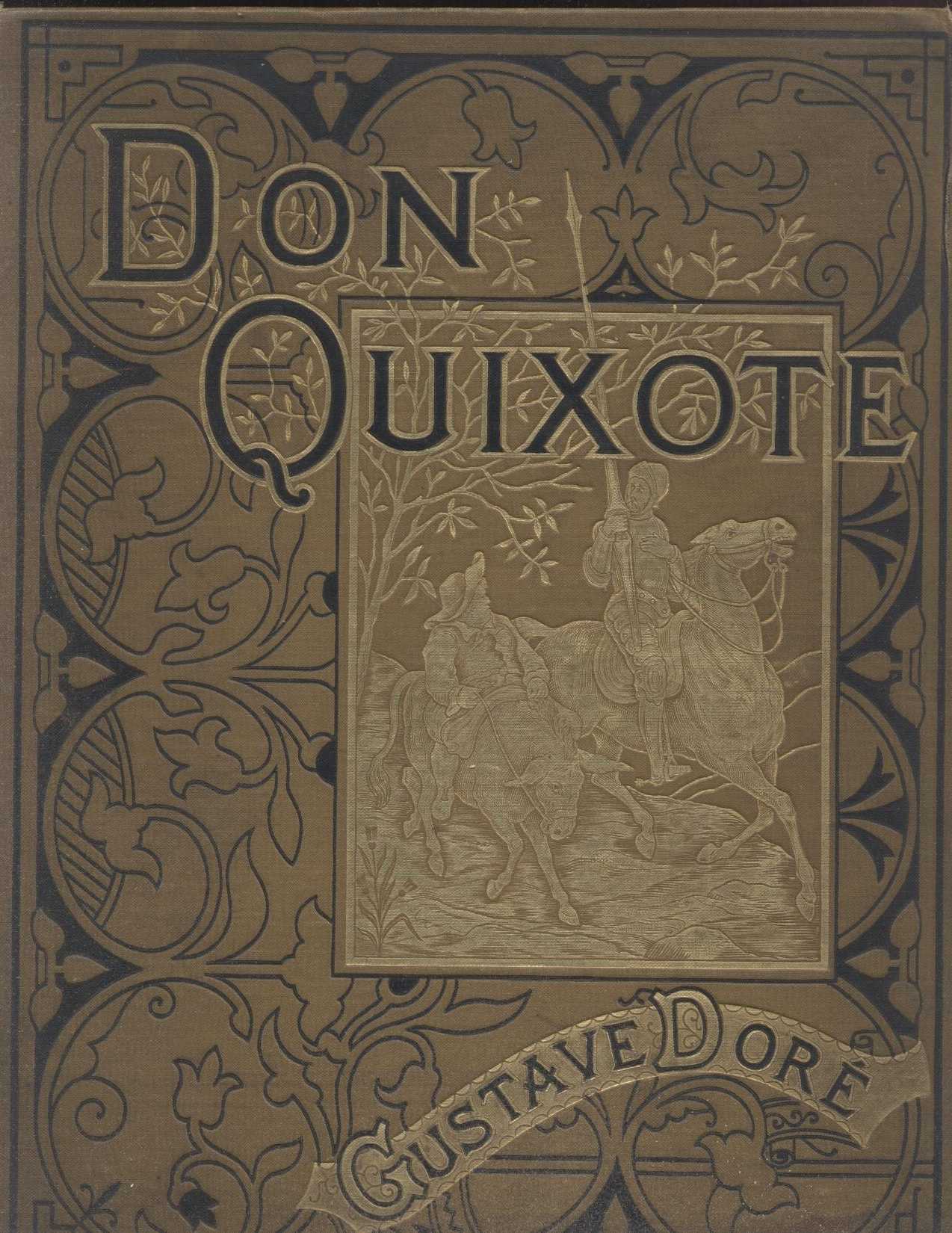
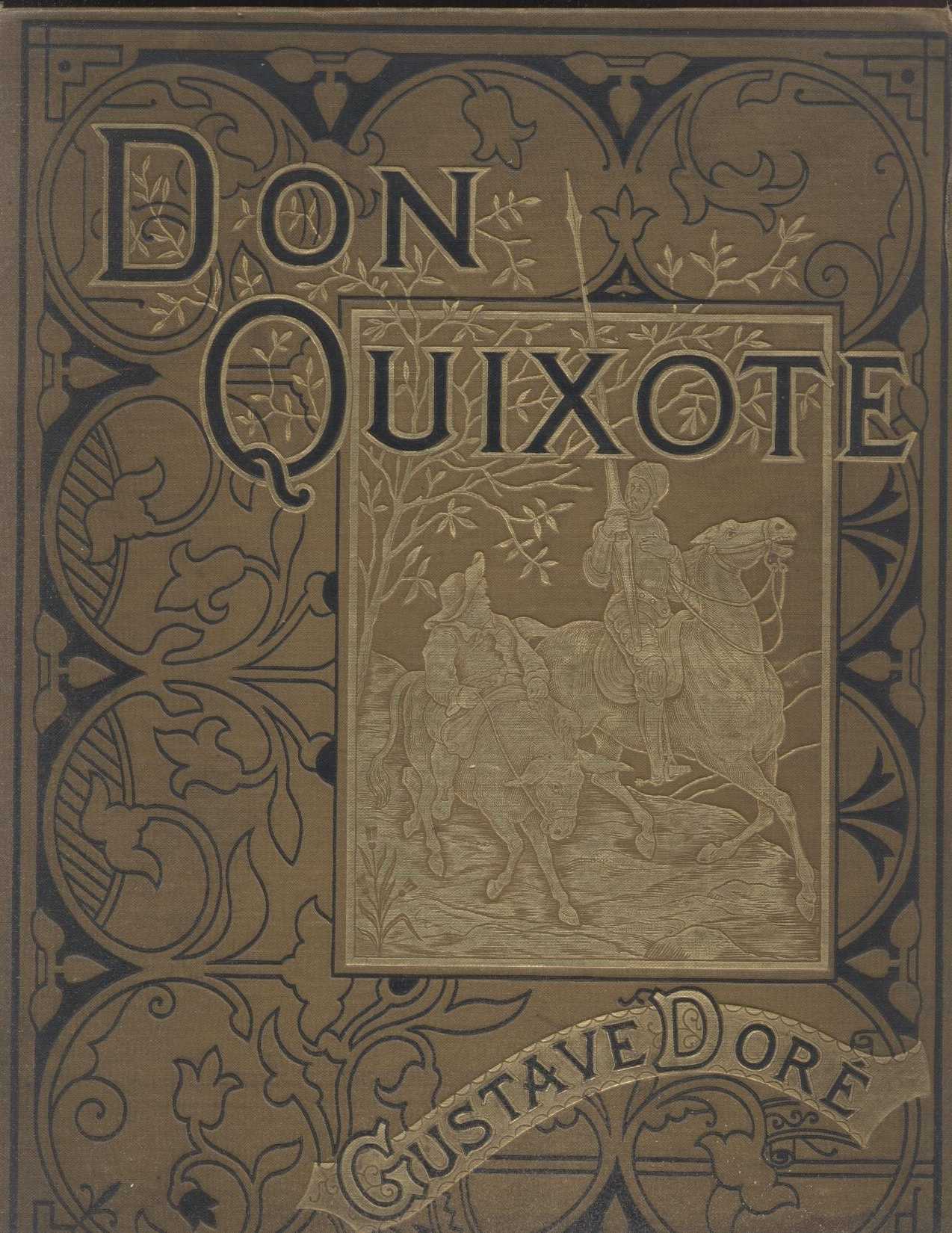
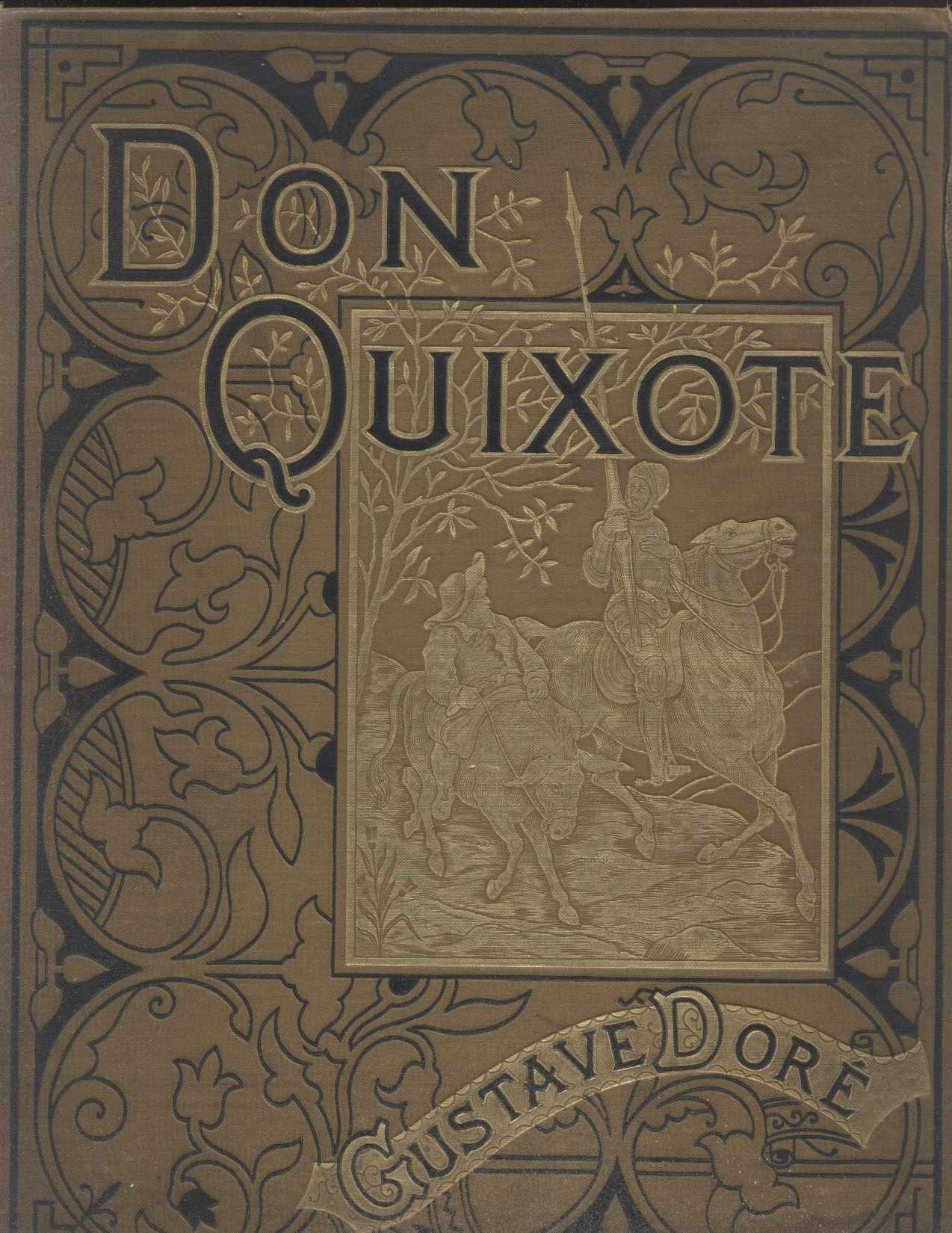
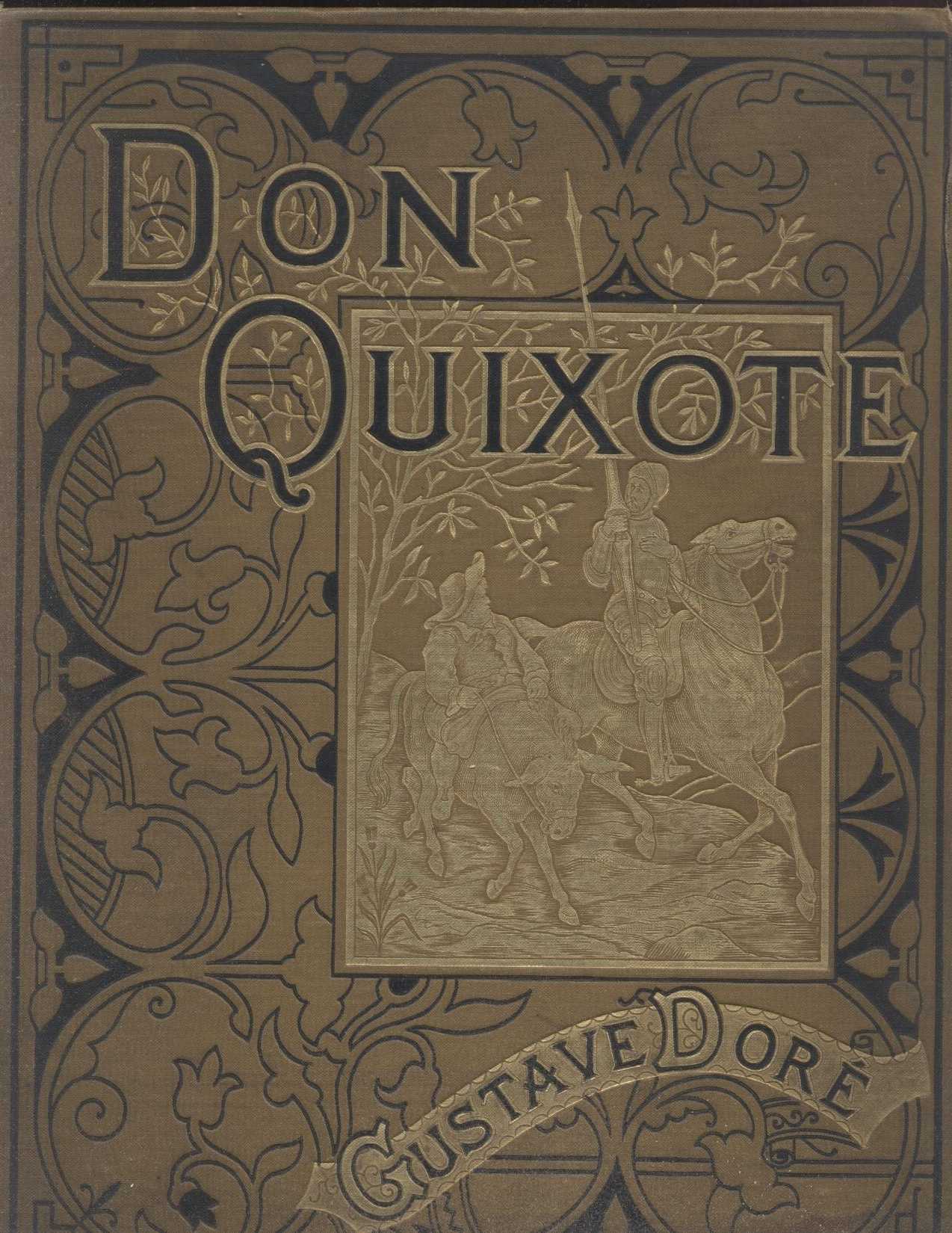
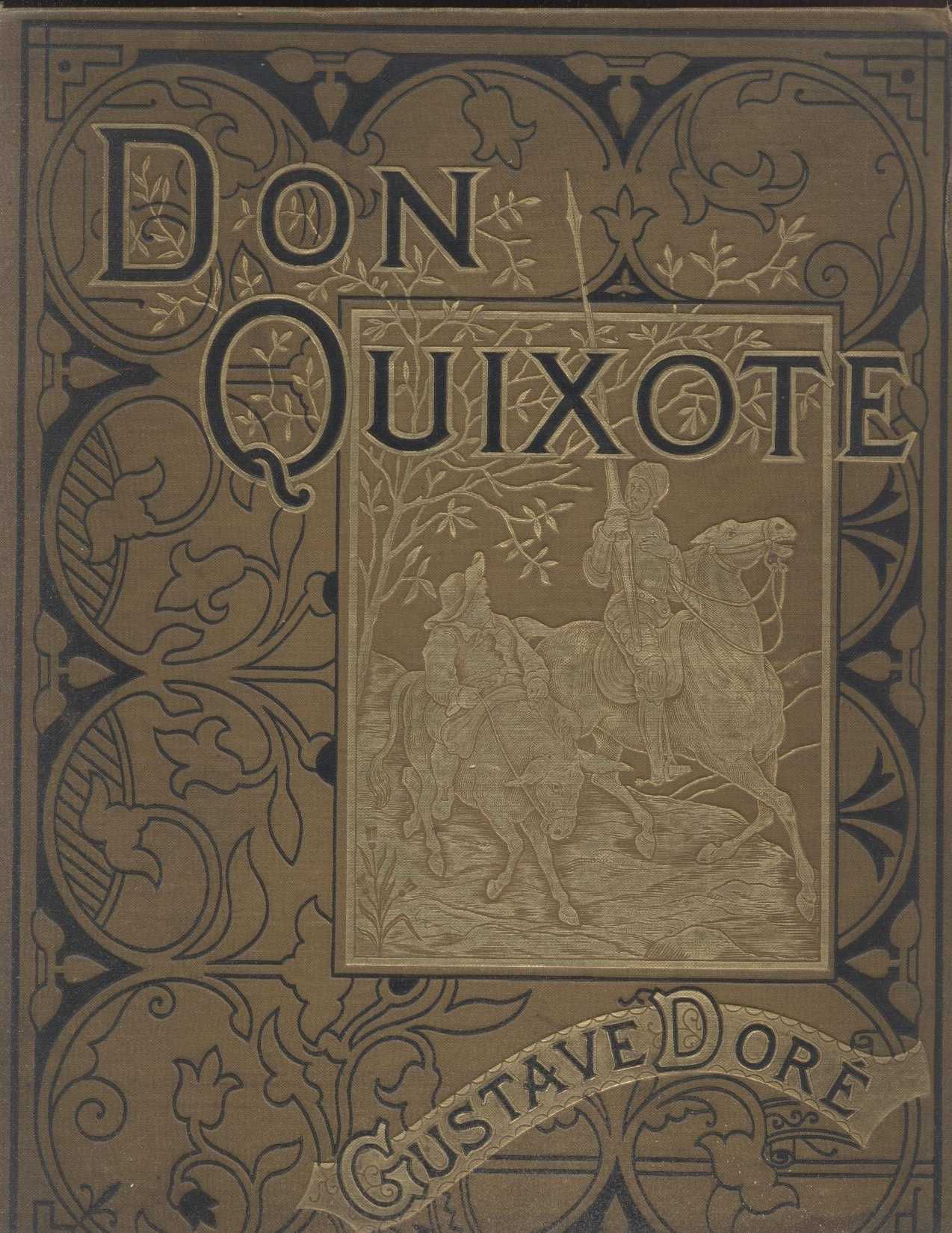
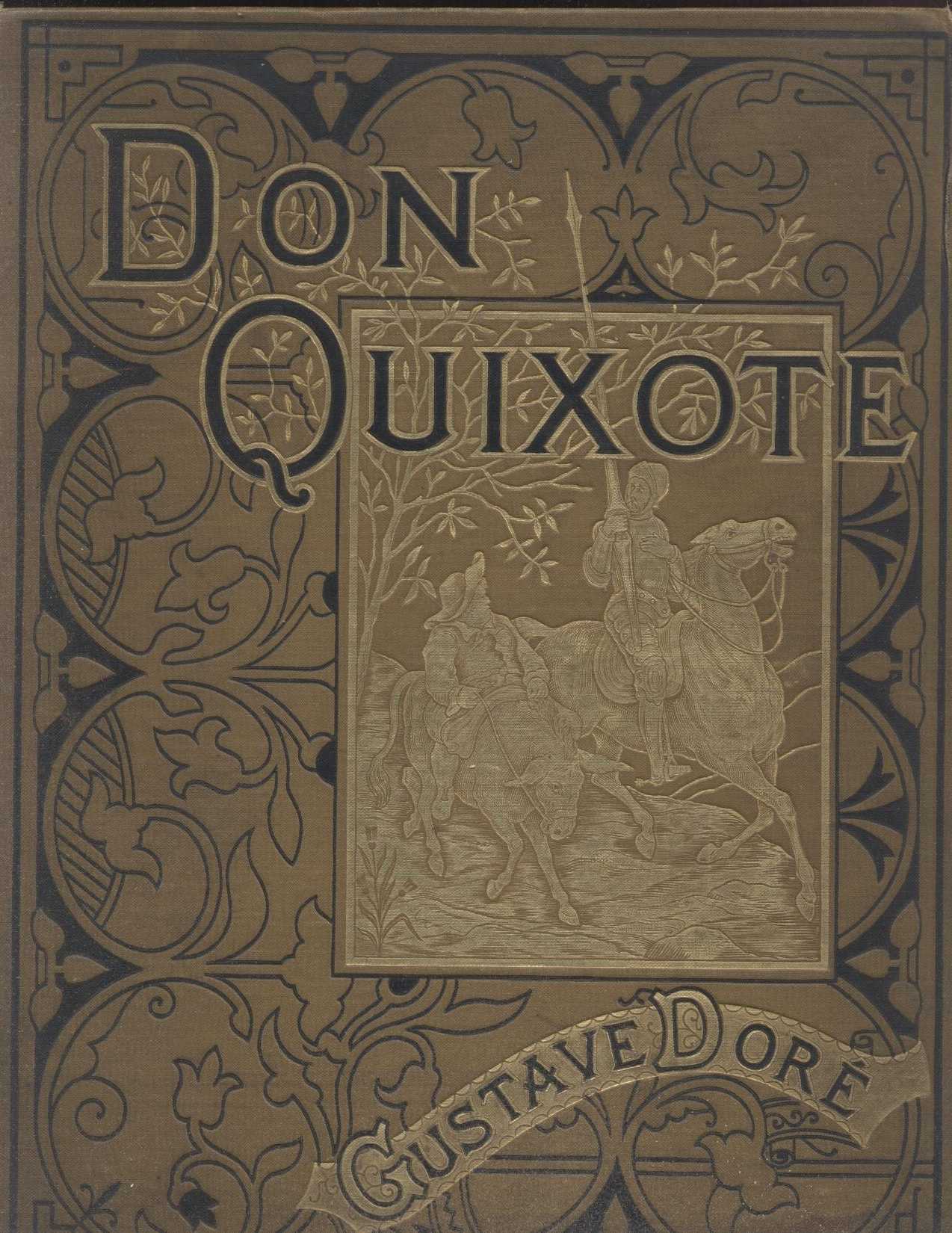
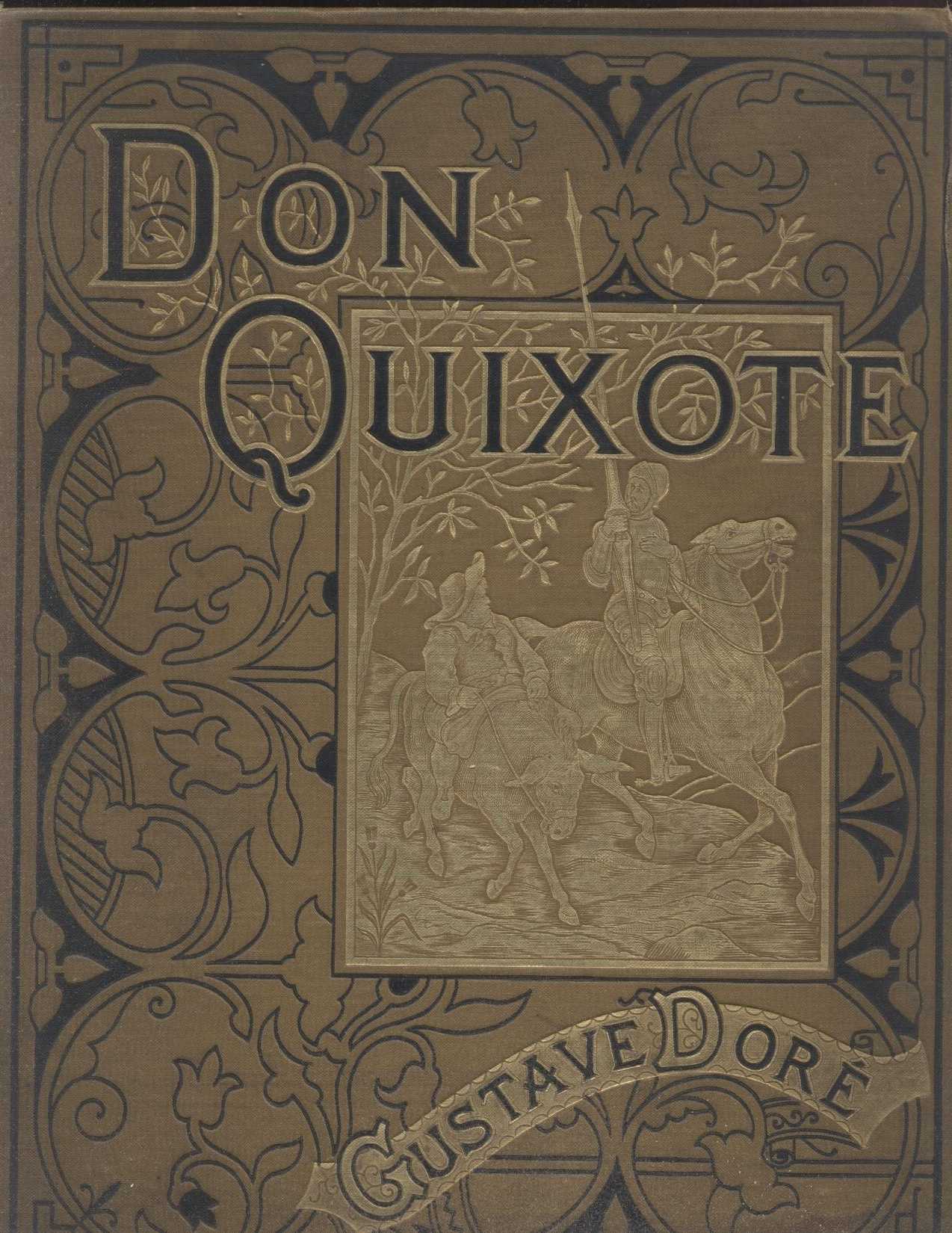
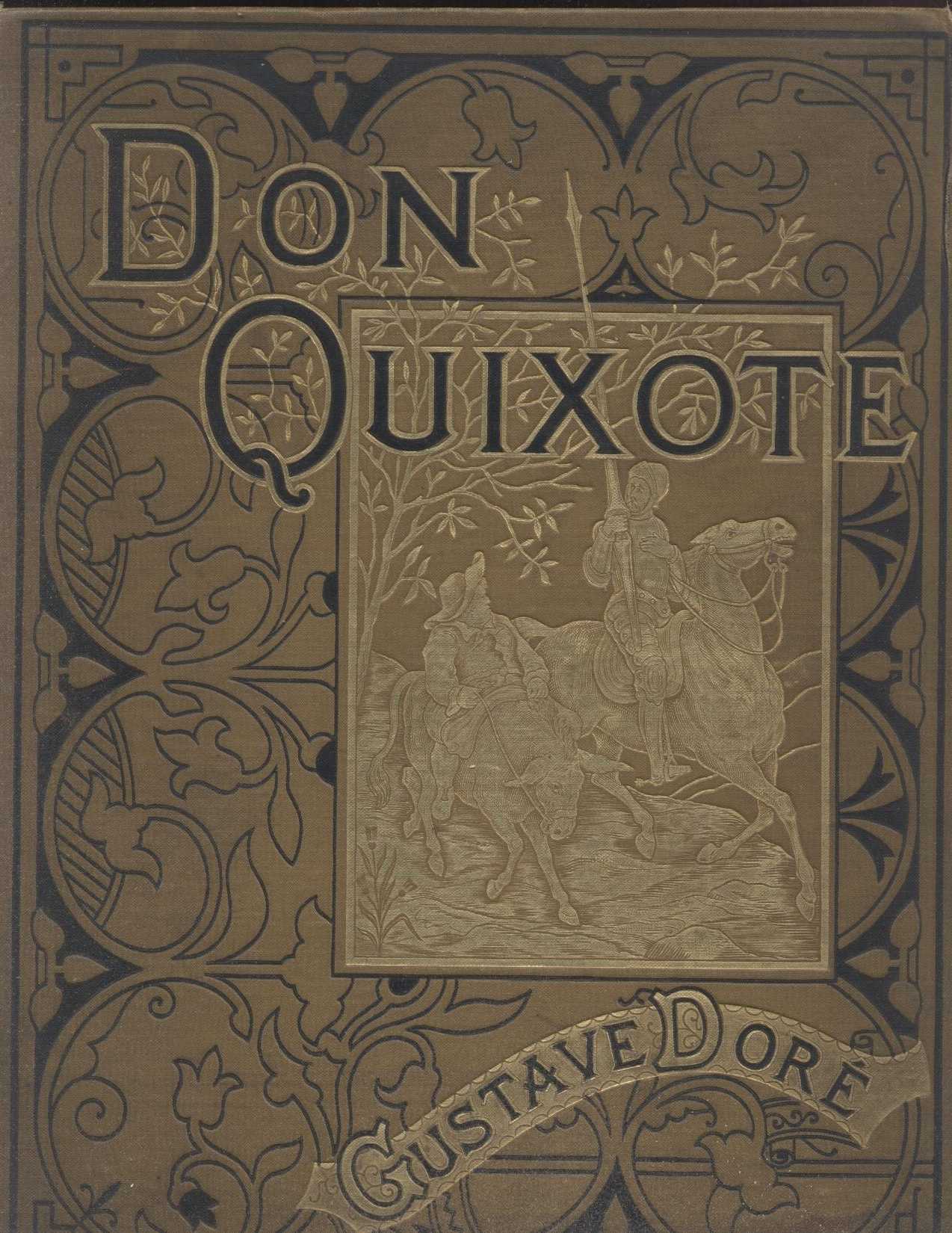
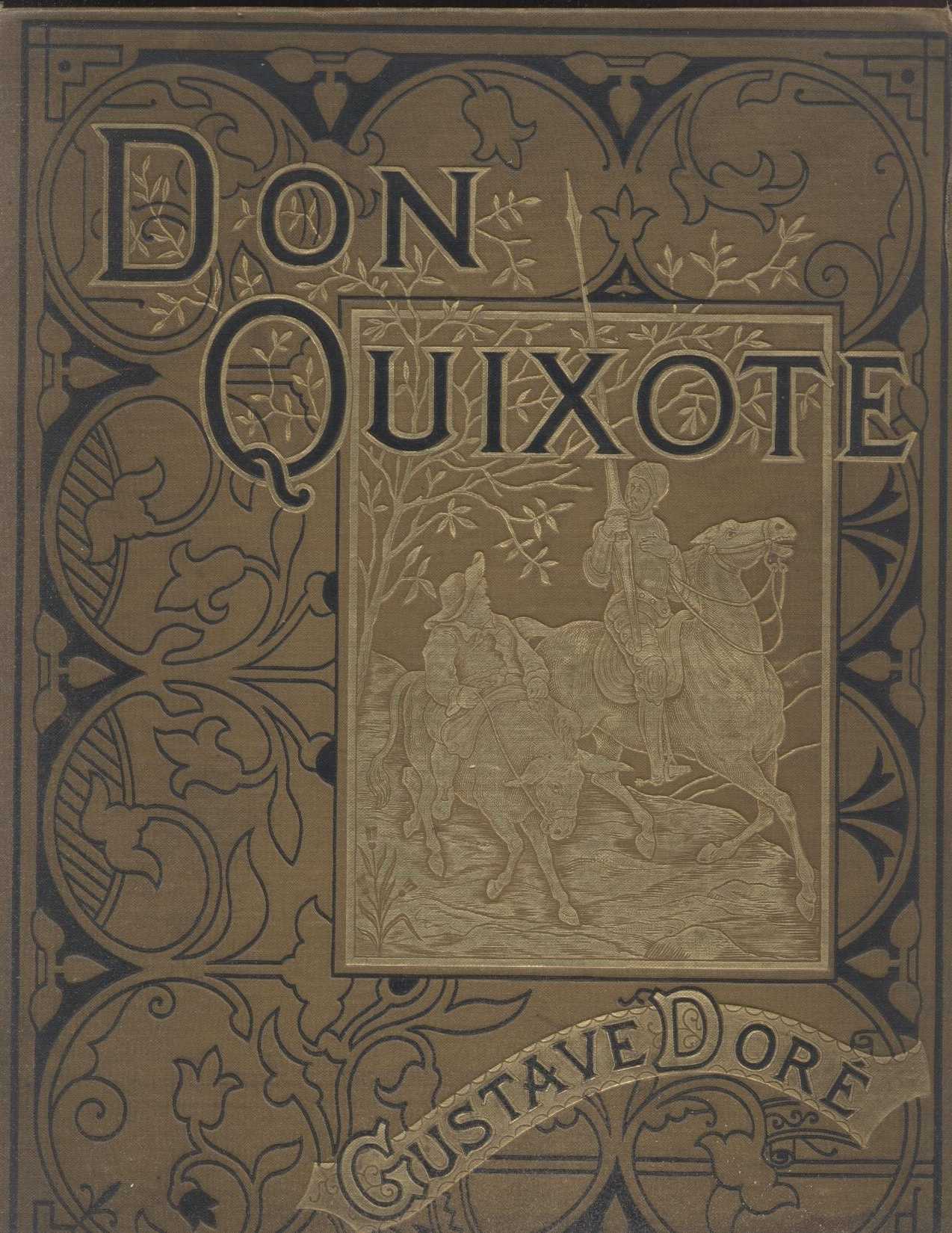
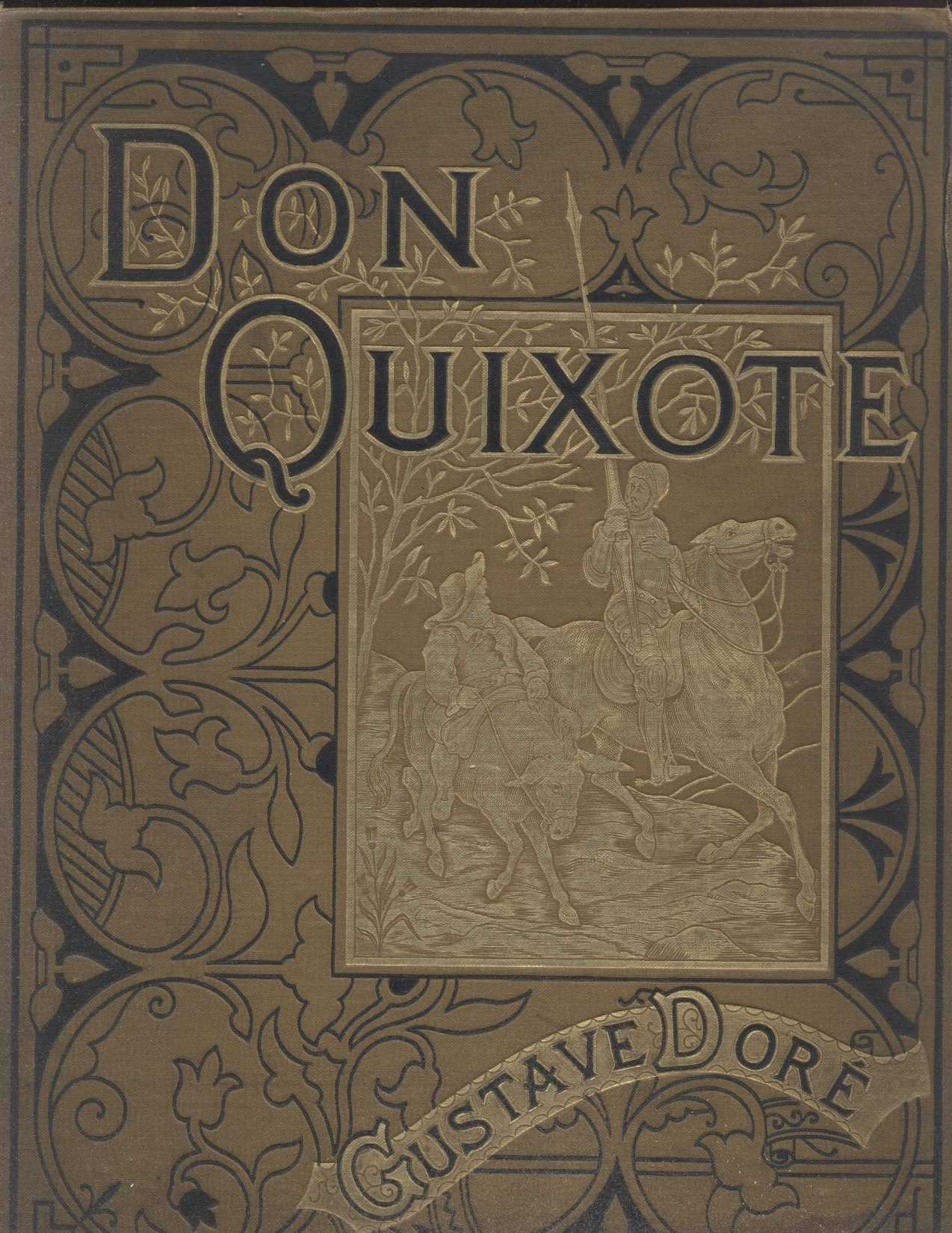
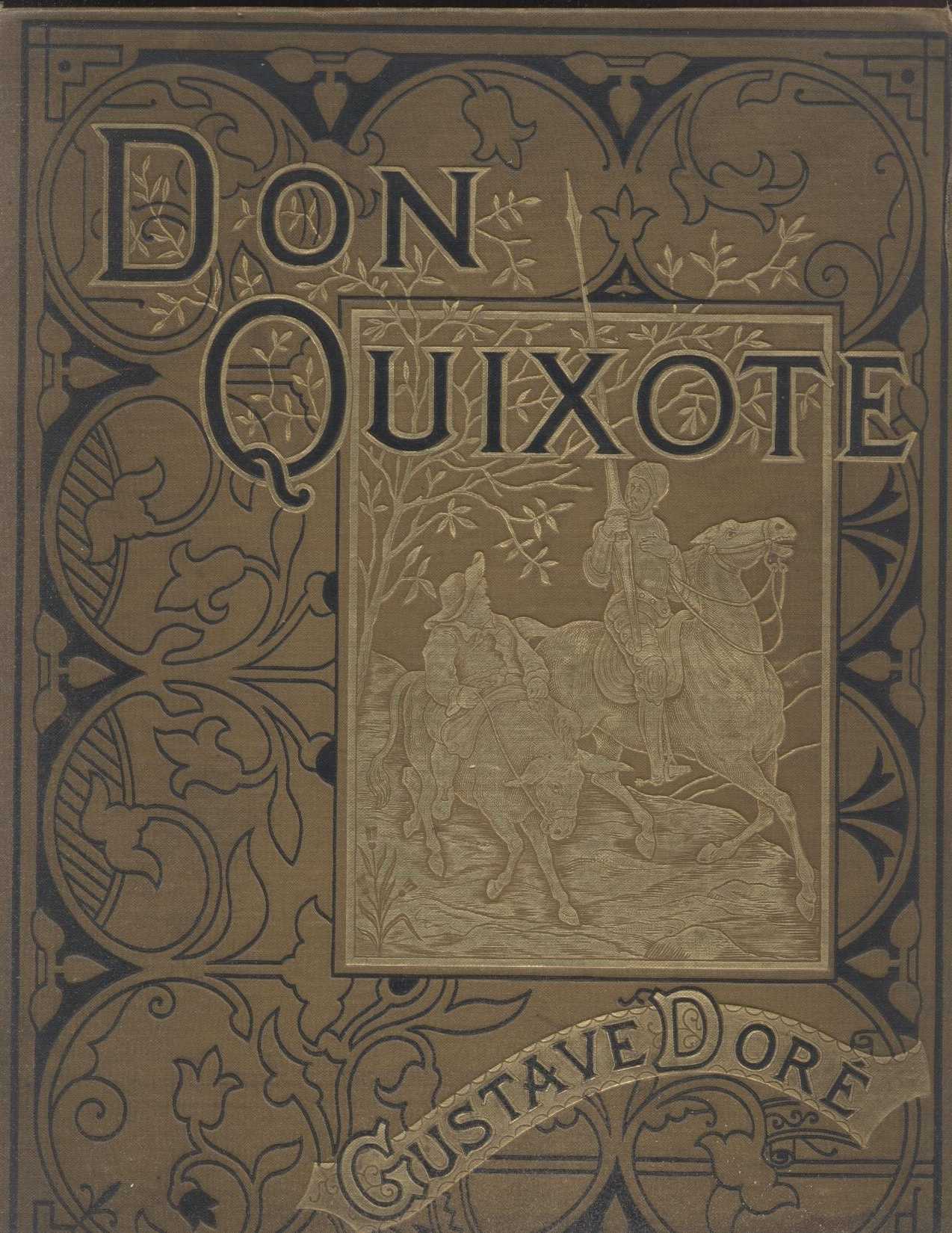
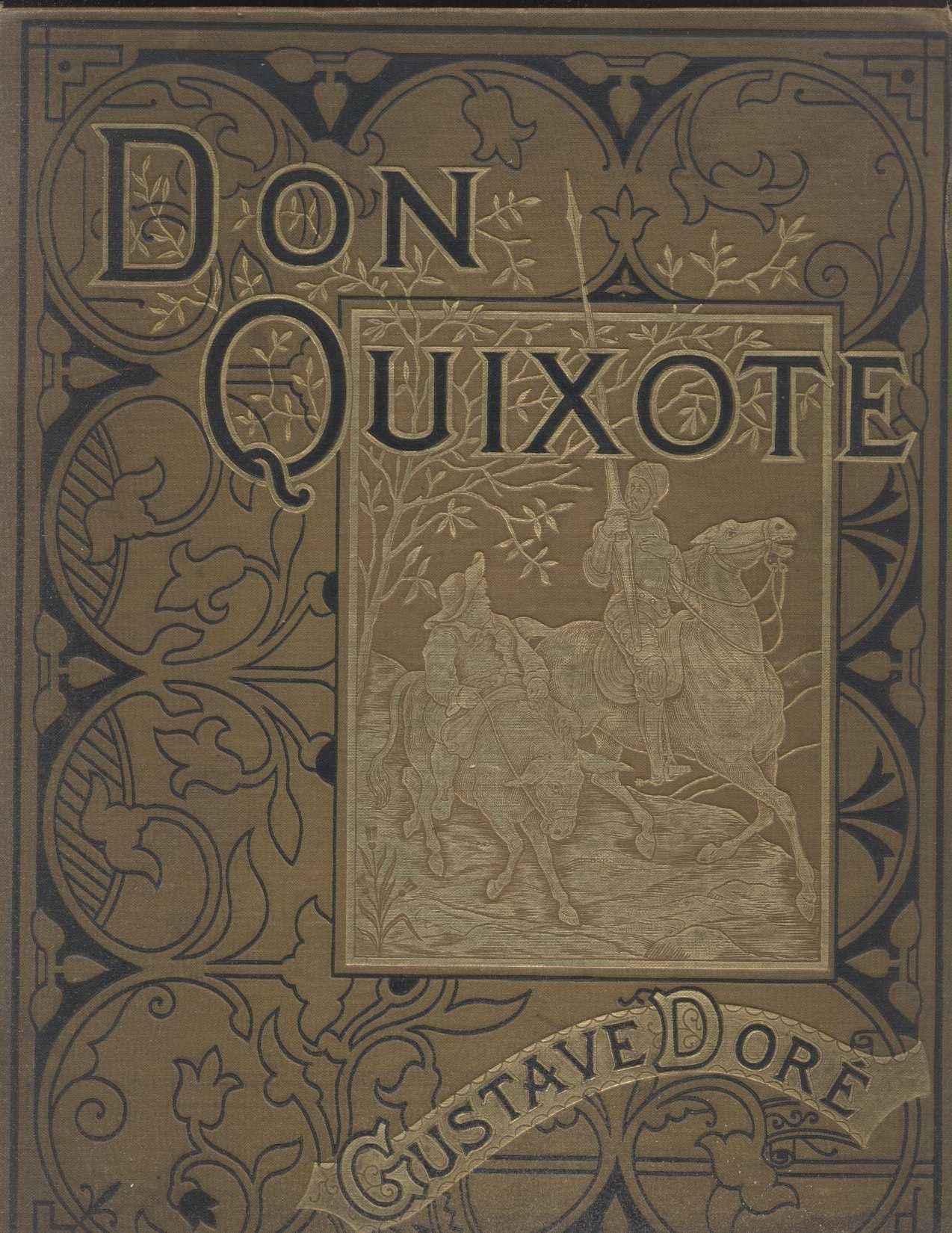
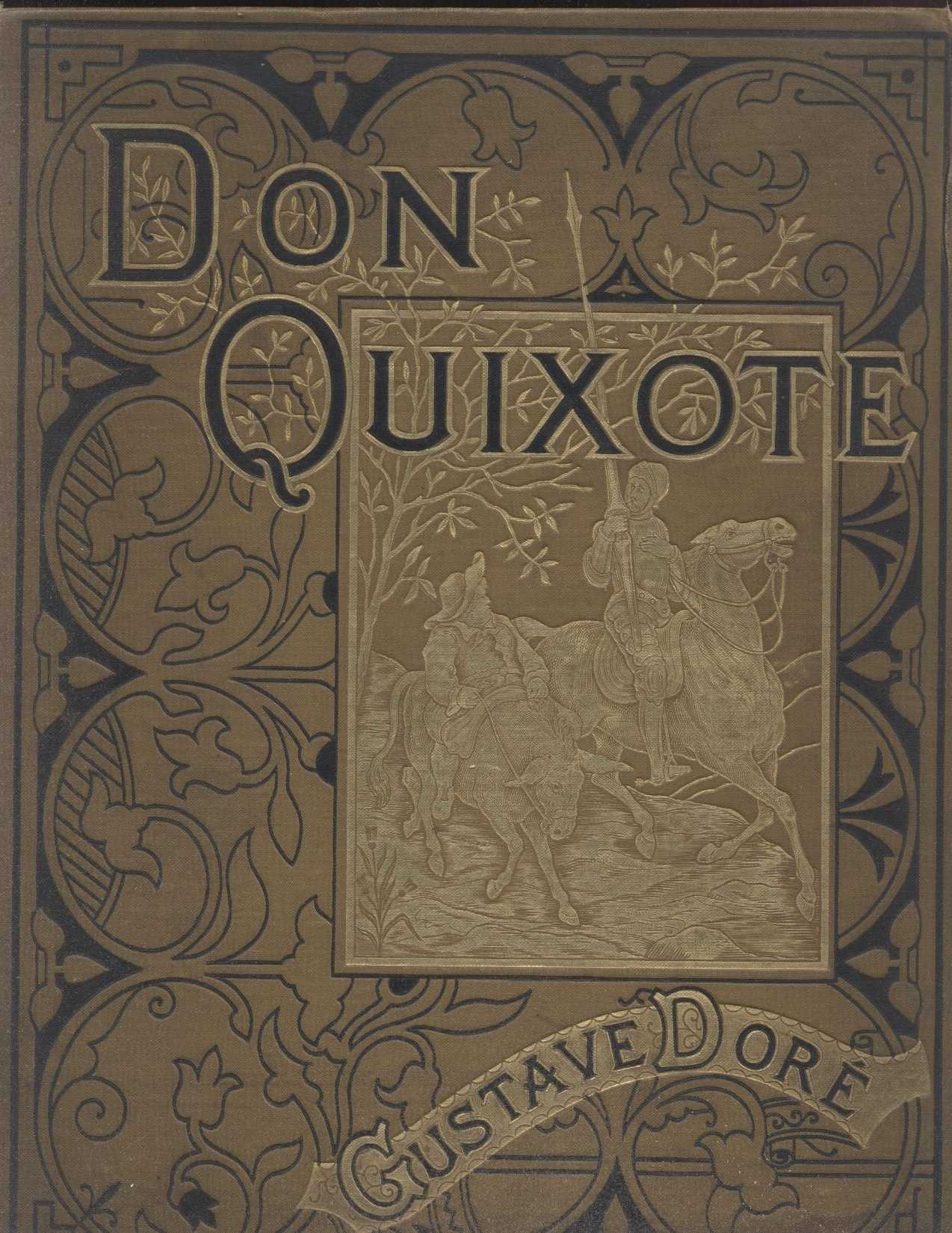
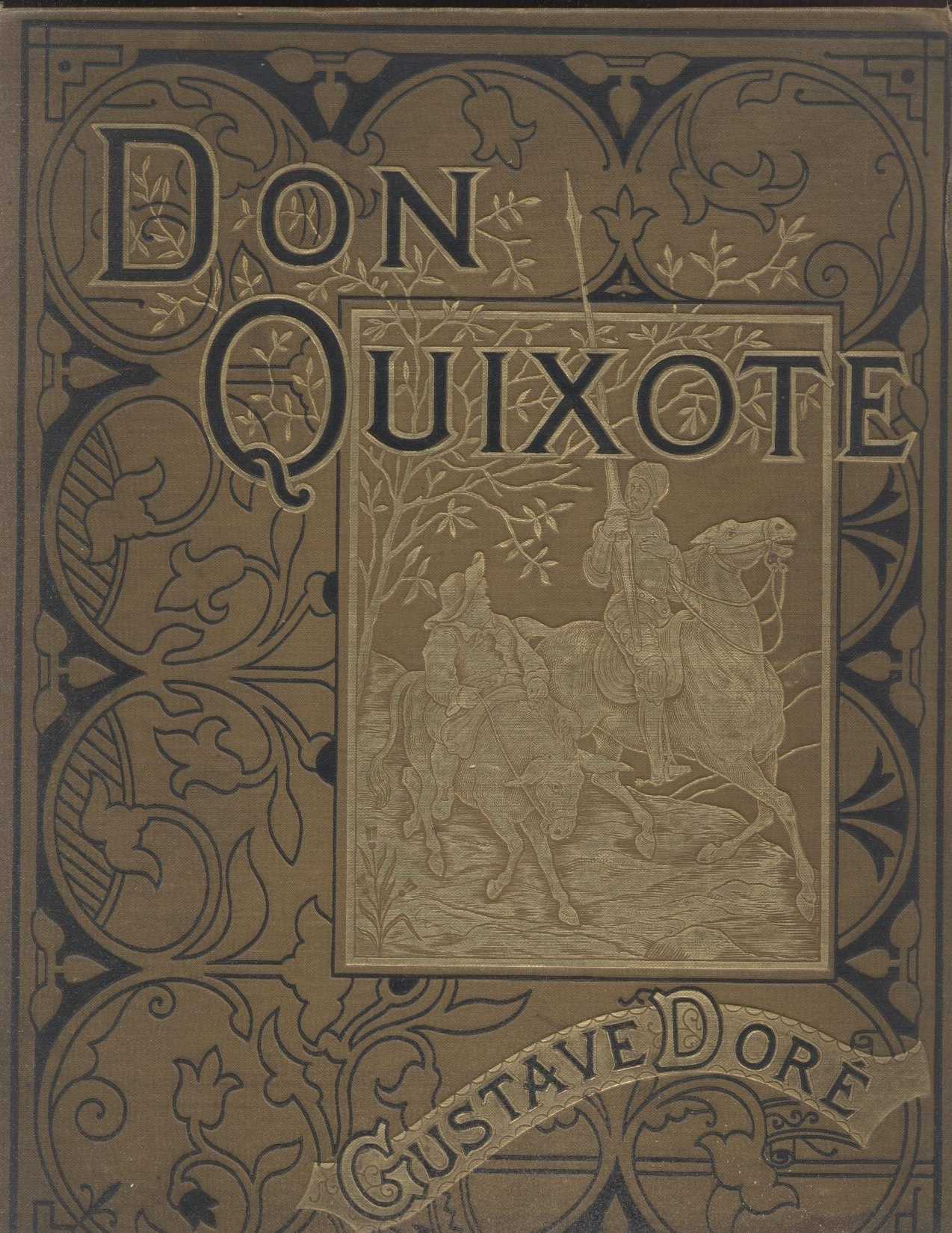
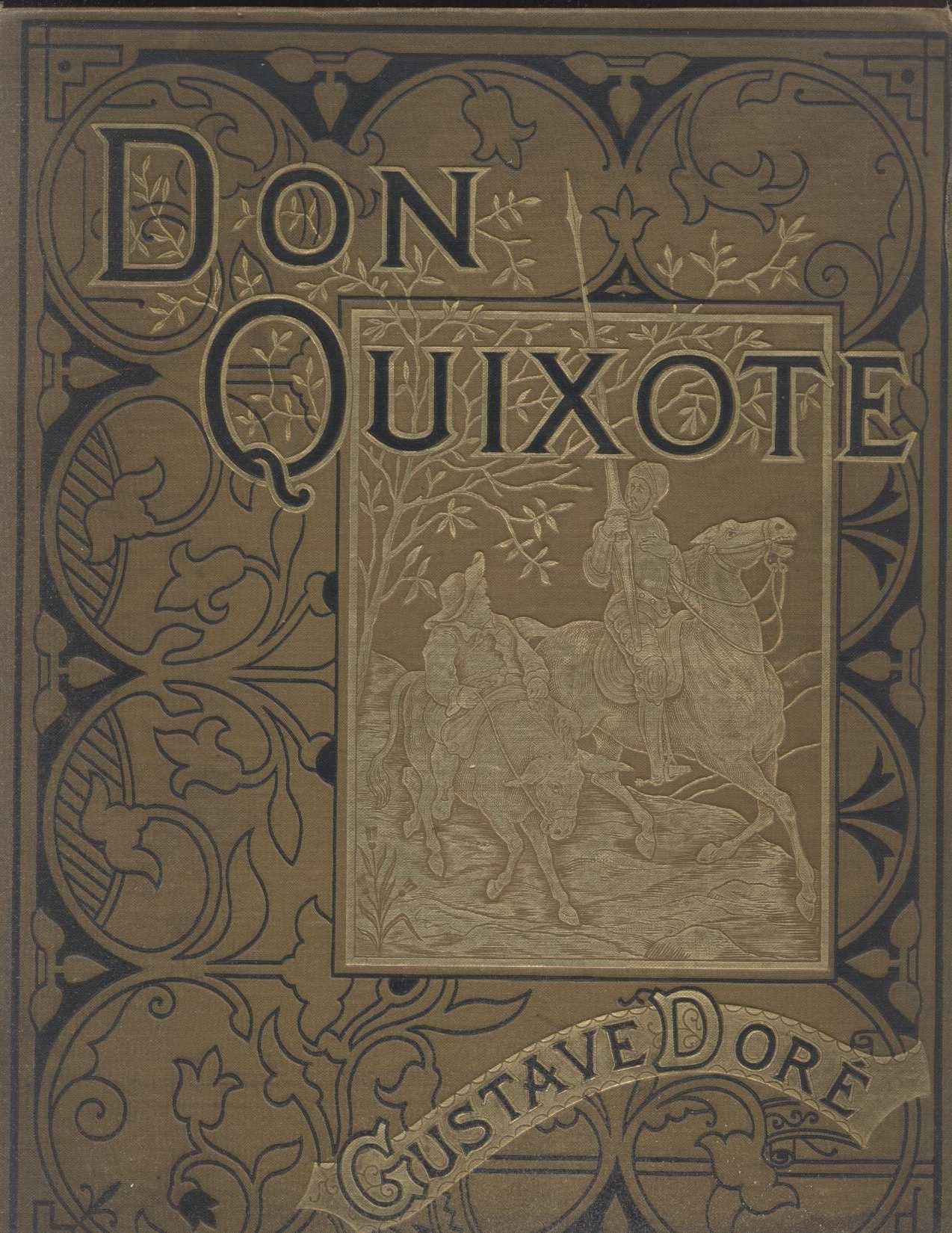
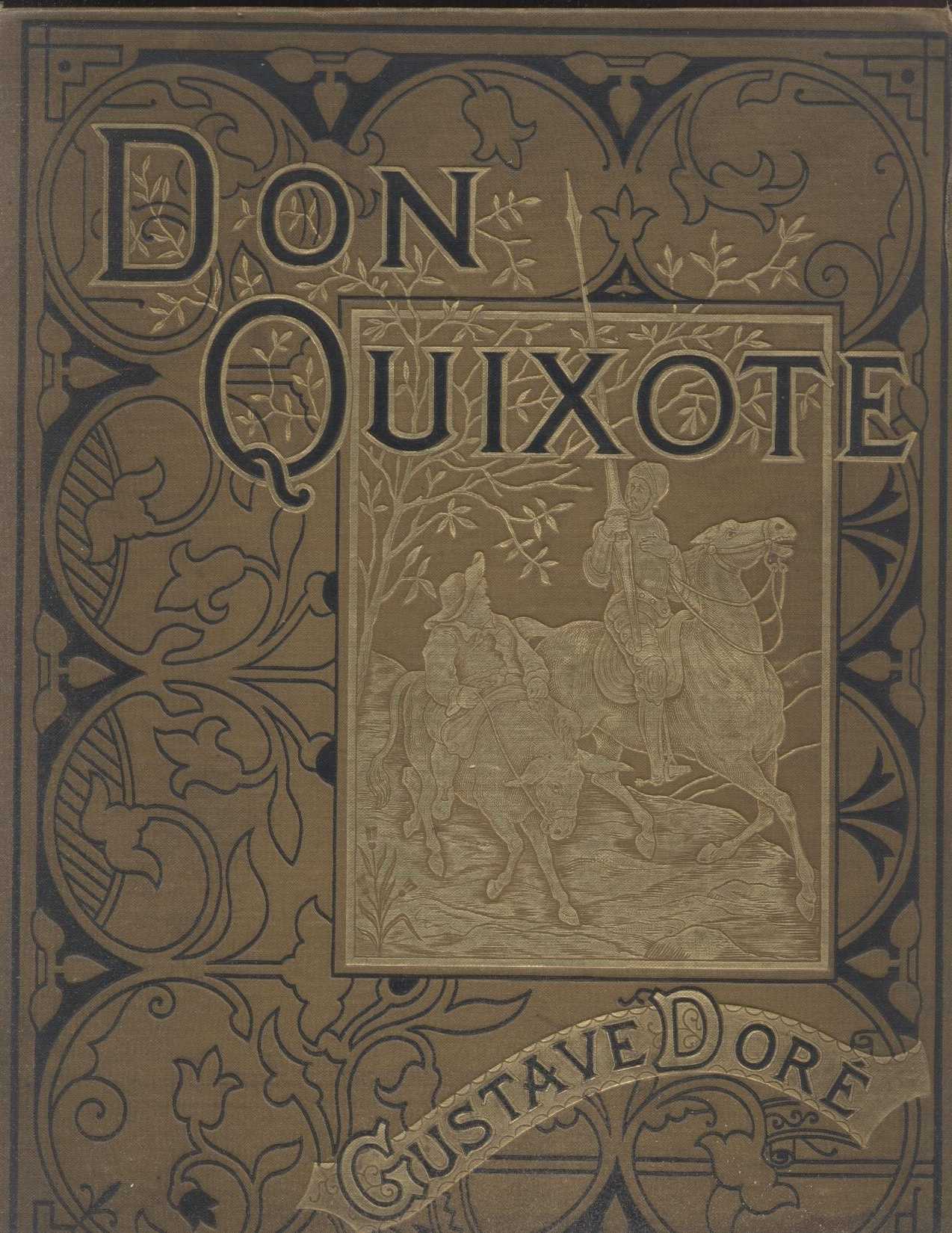
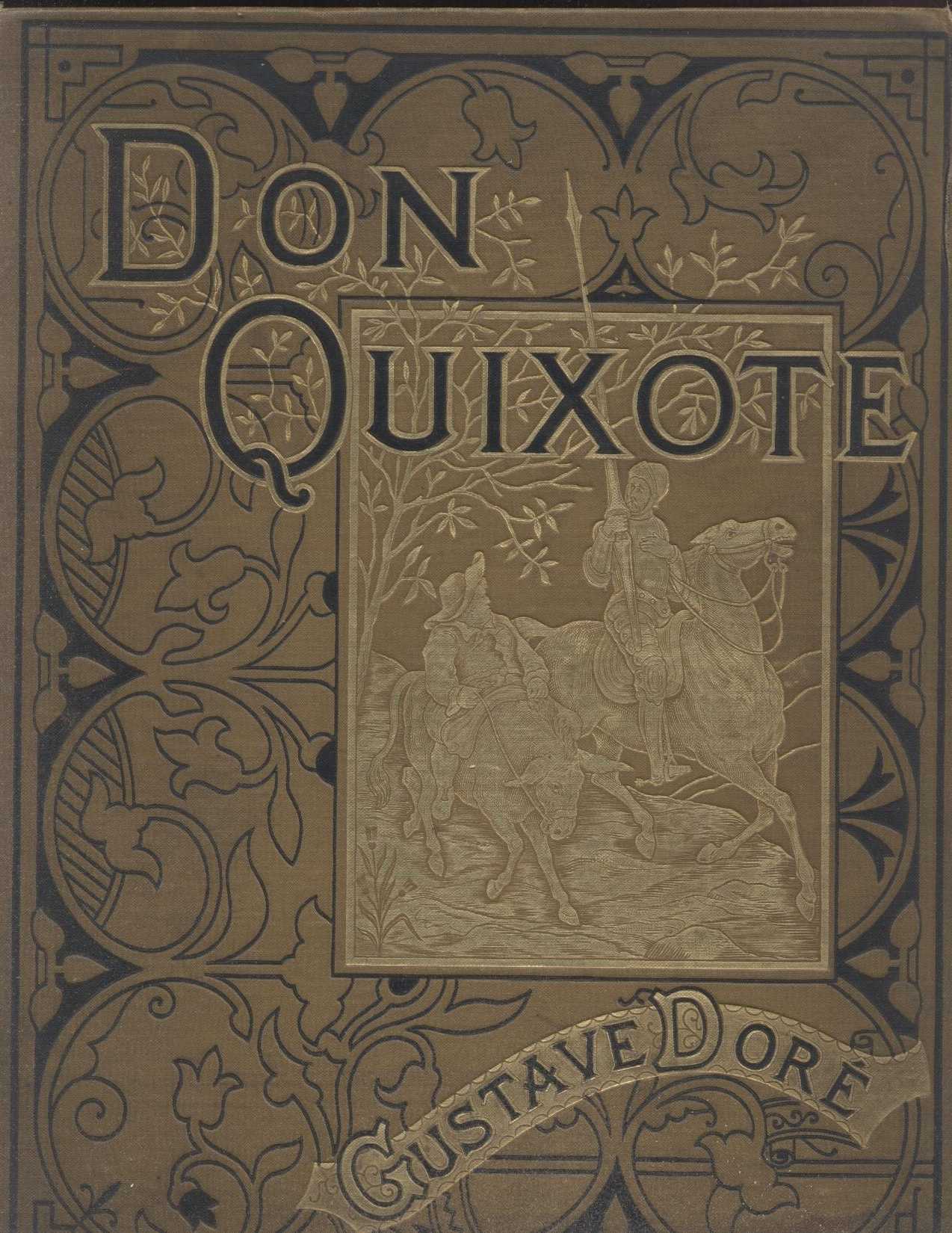
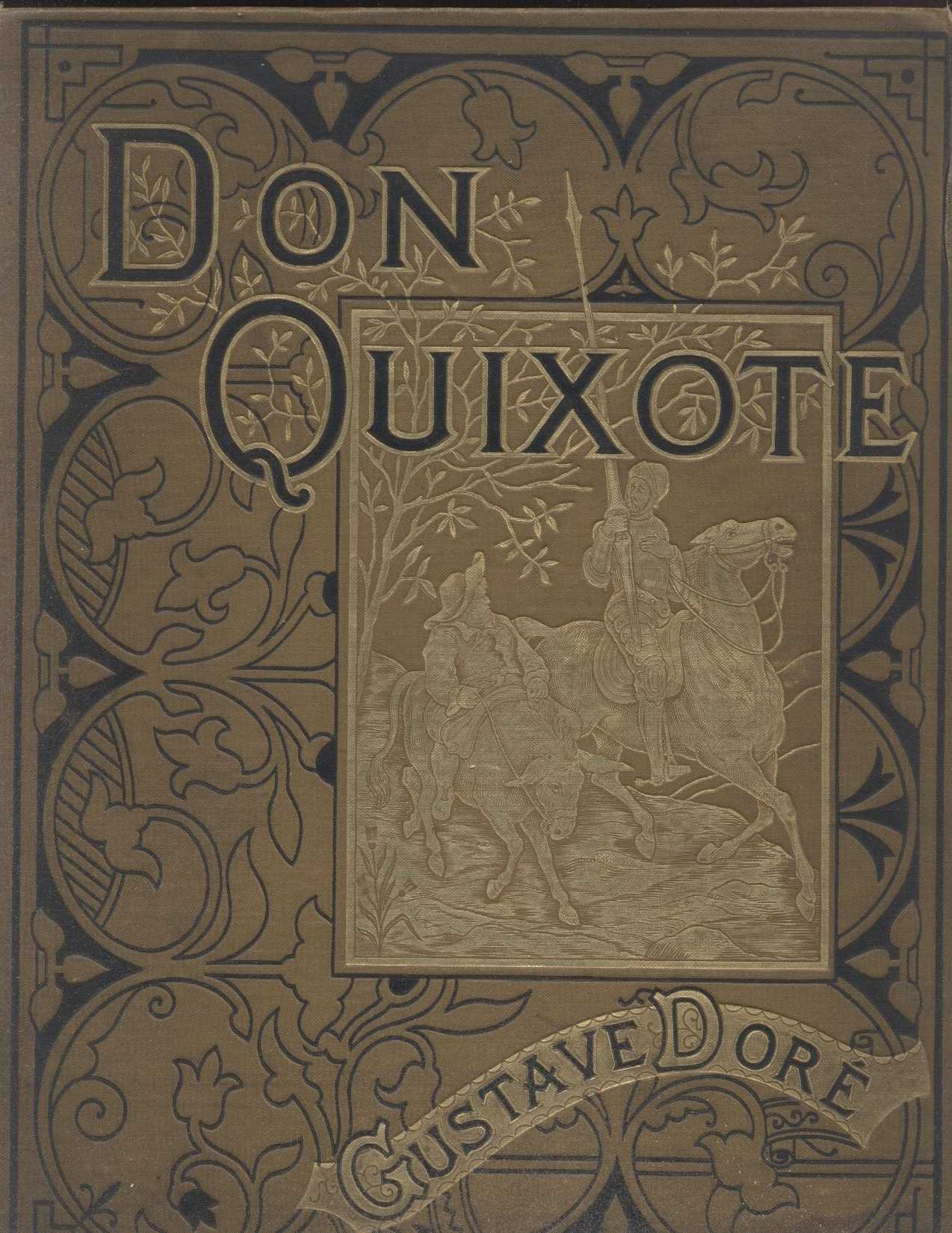
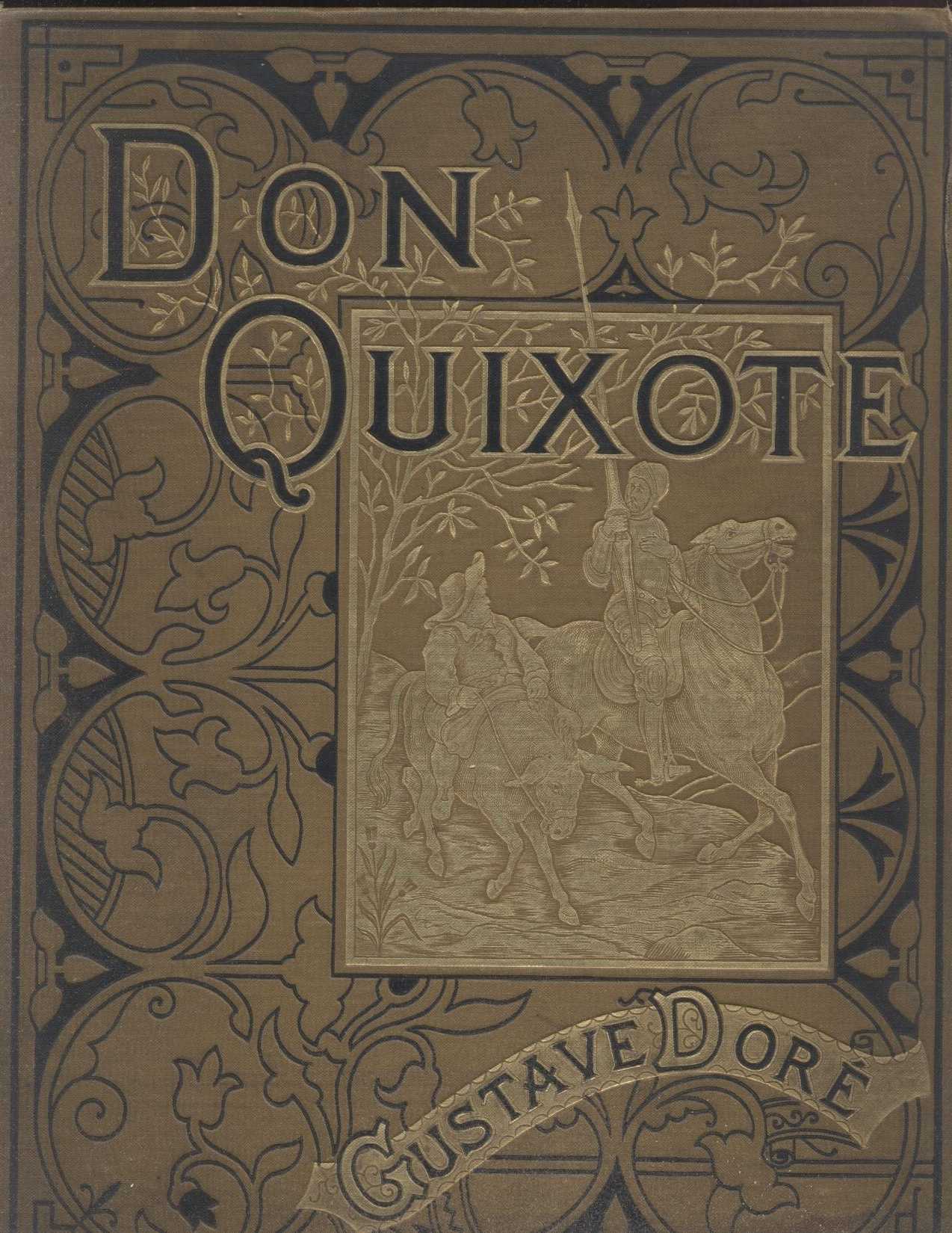
Don Quixote matters because it invented the novel itself. Before Cervantes, there was no template for what a fiction could be; after him, everything changed. It is a book about the danger and beauty of living inside a story, about a man so ruined by books that he remakes the world in their image. Alonso Quixano is fifty, broke, and half-mad with reading chivalric romances. He renames himself Don Quixote de la Mancha, dusts off a suit of rusty armor, and rides out on his emaciated horse Rocinante to revive knighthood. He sees windmills as giants, inns as castles, and a peasant girl named Aldonza as his lady Dulcinea. He recruits Sancho Panza, a plain-speaking farmer, as his squire, and the two embark on a campaign of misadventure that becomes one of literature's great friendships. Sancho's earthy pragmatism collides constantly with Don Quixote's noble delusions, and yet somehow their love for each other rings true. This first volume follows their initial sallies across the Spanish countryside. The comedy is relentless. But so is the heartbreak. Don Quixote is either a fool or a saint, and the novel refuses to settle the question. It endures because it asks what happens when someone sees the world not as it is, but as it could be. For anyone who has ever believed in something ridiculous and wonderful.
Editions


Link to this book
Add a free, dofollow link to Lex on your blog, forum, syllabus, or reading list.

<a href="https://lex-books.com/book/don-quixote-vol-1-ormsby-translation-31a285c5-c96b-4ee2-9164-1c40d881e85d"><img src="https://lex-books.com/badges/read-on-lex.svg" alt="Read Don Quixote, Vol. 1 (Ormsby Translation) by Miguel de Cervantes Saavedra free on Lex" width="160" height="40"></a>[](https://lex-books.com/book/don-quixote-vol-1-ormsby-translation-31a285c5-c96b-4ee2-9164-1c40d881e85d)[url=https://lex-books.com/book/don-quixote-vol-1-ormsby-translation-31a285c5-c96b-4ee2-9164-1c40d881e85d][img]https://lex-books.com/badges/read-on-lex.svg[/img][/url]Read Don Quixote, Vol. 1 (Ormsby Translation) by Miguel de Cervantes Saavedra free on Lex: https://lex-books.com/book/don-quixote-vol-1-ormsby-translation-31a285c5-c96b-4ee2-9164-1c40d881e85dCite this book
Reading this edition for a paper or guide? Copy a citation.
Saavedra, Miguel de Cervantes. Don Quixote, Vol. 1 (Ormsby Translation). Lex, lex-books.com/book/don-quixote-vol-1-ormsby-translation-31a285c5-c96b-4ee2-9164-1c40d881e85d.Saavedra, M. D. C. (n.d.). Don Quixote, Vol. 1 (Ormsby Translation). Lex. https://lex-books.com/book/don-quixote-vol-1-ormsby-translation-31a285c5-c96b-4ee2-9164-1c40d881e85dSaavedra, Miguel de Cervantes. Don Quixote, Vol. 1 (Ormsby Translation). Lex. https://lex-books.com/book/don-quixote-vol-1-ormsby-translation-31a285c5-c96b-4ee2-9164-1c40d881e85d.


![Night Watches [complete]](/_next/image?url=https%3A%2F%2Fd3b2n8gj62qnwr.cloudfront.net%2FCOVERS%2Fgutenberg_covers75k%2Febook-12161.png&w=3840&q=75)