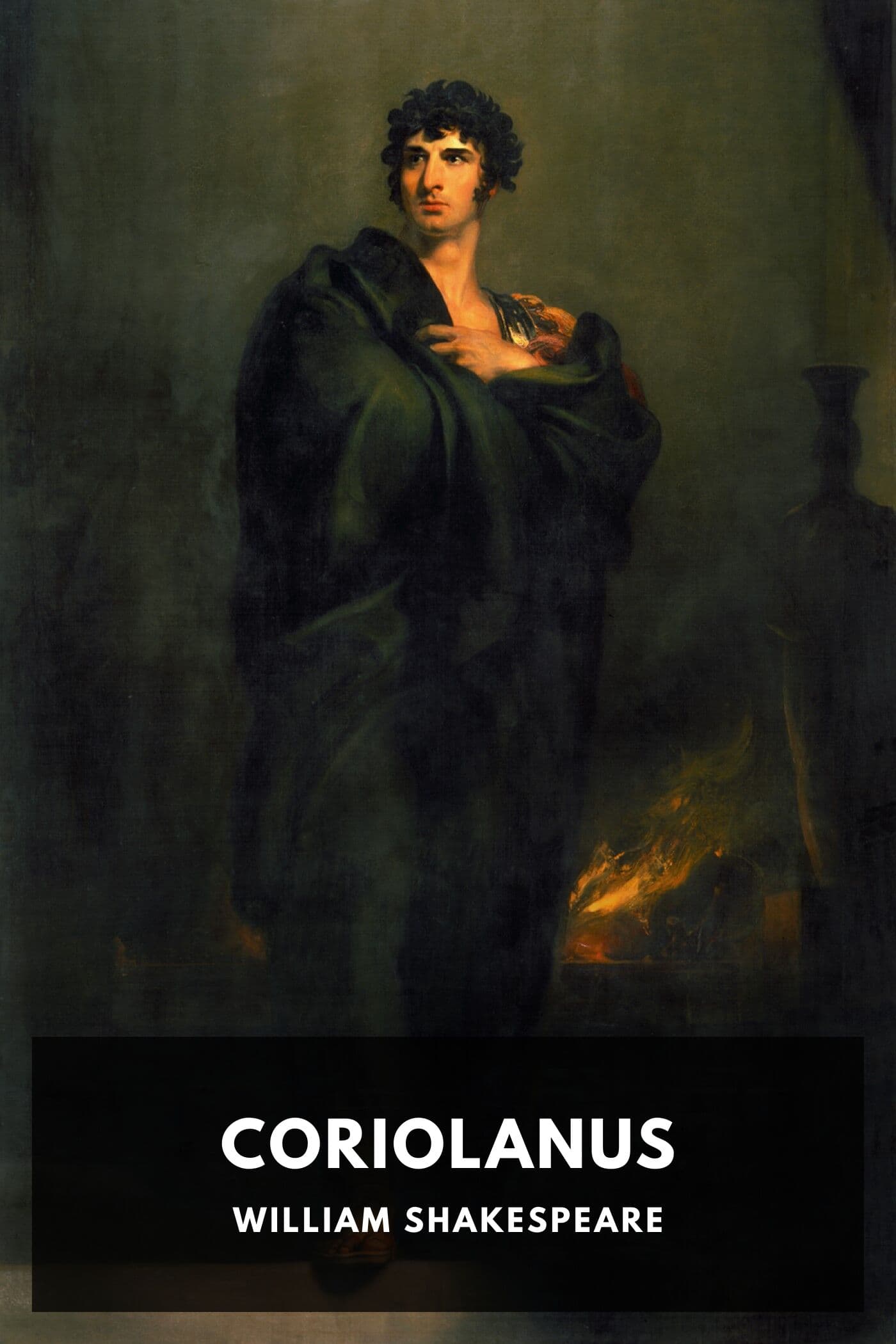
Coriolanus
1623
Coriolanus is Shakespeare's most uncomfortable tragedy - a portrait of a man whose brilliance is also his destruction. Caius Martius is a military genius, a warrior of unparalleled courage who cannot understand why the common people of Rome don't simply defer to his superiority. His contempt for the mob is absolute, his inability to compromise absolute. When his fellow patricians urge him to perform the political rituals of humility required to win the consulship, he would rather die. Banished for his pride, he defects to Rome's enemies and leads them back in vengeance - only to hesitate at the moment of total destruction, undone by something he cannot name: love, nostalgia, or perhaps the first genuine connection of his life. Shakespeare writes the psychology of a man who cannot bend with devastating precision. This is political tragedy at its most primal - not about fate or gods, but about what happens when a society cannot metabolize its own warriors, when merit and populism collide, when a hero discovers too late that victory means nothing without someone to share it with.
Editions
X-Ray
“More of your conversation would infect my brain.””
— William Shakespeare
“There is a world elsewhere.””
— William Shakespeare
“They lie deadly that tell you have good faces.””
— William Shakespeare
“You common cry of curs! whose breath I hateAs reek o' the rotten fens, whose loves I prizeAs the dead carcasses of unburied menThat do corrupt my air, I banish you;And here remain with your uncertainty!””
— William Shakespeare
“I talk of you:Why did you wish me milder? would you have meFalse to my nature? Rather say I playThe man I am.””
— William Shakespeare
“Let it be virtuous to be obstinate.””
— William Shakespeare
“Let me have war, say I: it exceeds peace as far as day does night; it's spritely, waking, audible, and full of vent. Peace is a very apoplexy, lethargy; mulled, deaf, sleepy, insensible; a getter of more bastard children than war's a destroyer of men.””
— William Shakespeare
“Let me twineMine arms about that body, where againstMy grained ash an hundred times hath broke And scarr'd the moon with splinters: here I clipThe anvil of my sword, and do contestAs hotly and as nobly with thy loveAs ever in ambitious strength I didContend against thy valour. Know thou first, I loved the maid I married; never manSigh'd truer breath; but that I see thee here,Thou noble thing! more dances my rapt heartThan when I first my wedded mistress sawBestride my threshold.””
— William Shakespeare
“Why did you wish me milder? would you have meFalse to my nature? Rather say I playThe man I am.””
— William Shakespeare
Link to this book
Add a free, dofollow link to Lex on your blog, forum, syllabus, or reading list.

<a href="https://lex-books.com/book/coriolanus-a46a83ca-c759-47af-8d3f-ebf5005a79df"><img src="https://lex-books.com/badges/read-on-lex.svg" alt="Read Coriolanus by William Shakespeare free on Lex" width="160" height="40"></a>[](https://lex-books.com/book/coriolanus-a46a83ca-c759-47af-8d3f-ebf5005a79df)[url=https://lex-books.com/book/coriolanus-a46a83ca-c759-47af-8d3f-ebf5005a79df][img]https://lex-books.com/badges/read-on-lex.svg[/img][/url]Read Coriolanus by William Shakespeare free on Lex: https://lex-books.com/book/coriolanus-a46a83ca-c759-47af-8d3f-ebf5005a79dfCite this book
Reading this edition for a paper or guide? Copy a citation.
Shakespeare, William. Coriolanus. Lex, lex-books.com/book/coriolanus-a46a83ca-c759-47af-8d3f-ebf5005a79df.Shakespeare, W. (1623). Coriolanus. Lex. https://lex-books.com/book/coriolanus-a46a83ca-c759-47af-8d3f-ebf5005a79dfShakespeare, William. Coriolanus. Lex. https://lex-books.com/book/coriolanus-a46a83ca-c759-47af-8d3f-ebf5005a79df.