Measure for Measure
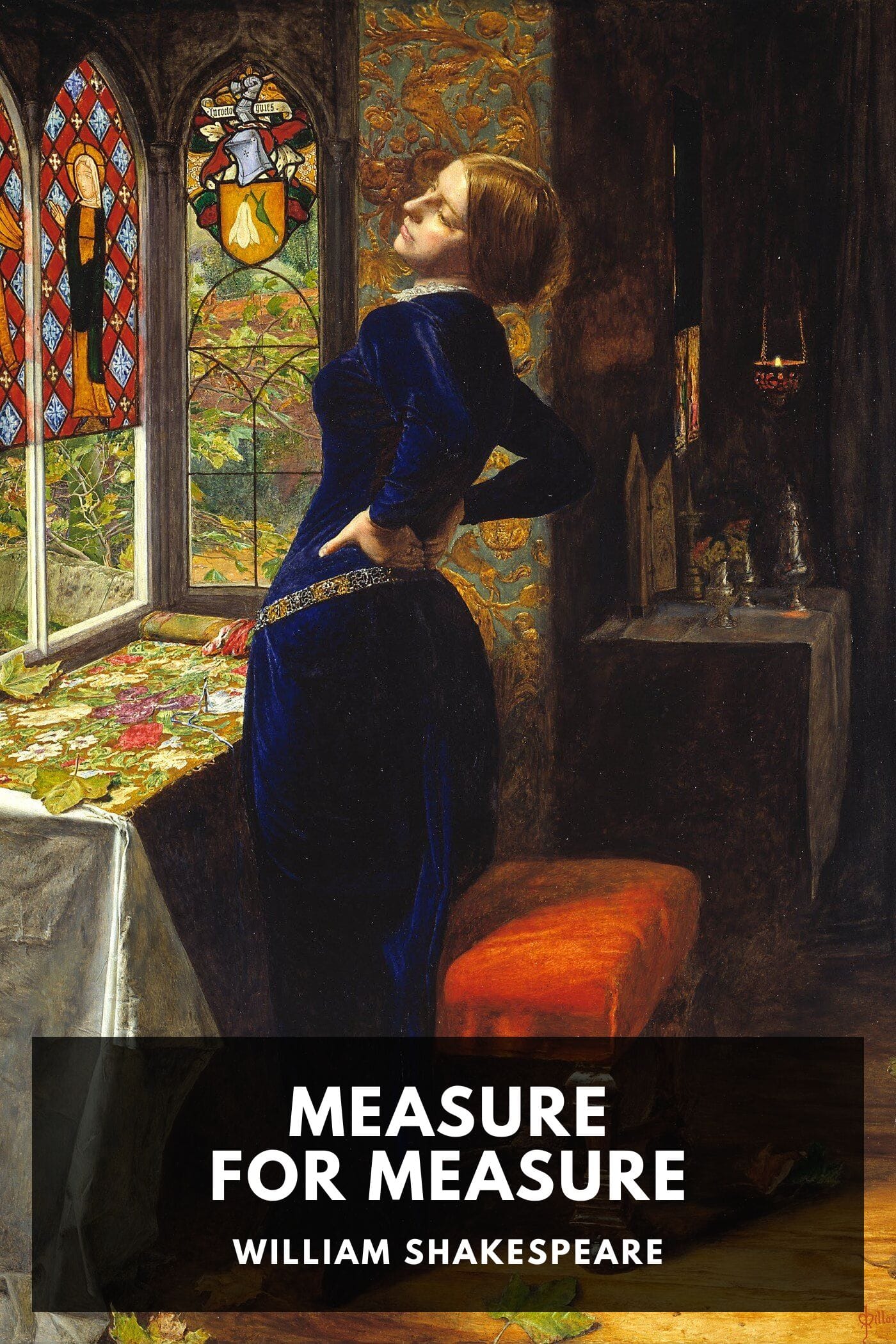
Shakespeare’s problem play plunges Vienna into a moral crucible when Duke Vincentio, feigning absence, delegates absolute power to the puritanical Angelo. What follows is a dark comedy of hypocrisy and manipulation, as Angelo, in a zeal to cleanse the city, condemns young Claudio to death for fornication. Claudio's sister, Isabella, a novice nun, pleads for his life, only to find herself ensnared in Angelo's own corrupt desires. The Duke, disguised as a friar, orchestrates a series of intricate deceptions, setting the stage for a dizzying unraveling of justice, mercy, and lust, all while probing the uncomfortable truths of power unchecked and virtue tested. "Measure for Measure" is a discomforting masterpiece, a play that refuses easy categorization or resolution. It’s less a comedy of errors than a biting satire on moral absolutism and the corrupting influence of power, resonating with a disturbing relevance in any age. Shakespeare masterfully dissects the performative nature of piety and the blurred lines between justice and tyranny, forcing us to confront the uncomfortable question of what constitutes true mercy and whether any individual is truly fit to judge another. It’s a challenging, intellectually charged work that lingers long after the final scene, a testament to Shakespeare’s unparalleled genius for exploring the darkest corners of the human psyche.
Editions

Link to this book
Add a free, dofollow link to Lex on your blog, forum, syllabus, or reading list.

<a href="https://lex-books.com/book/measure-for-measure-4c95307a-7940-466e-8936-ca91551d75a3"><img src="https://lex-books.com/badges/read-on-lex.svg" alt="Read Measure for Measure by William Shakespeare free on Lex" width="160" height="40"></a>[](https://lex-books.com/book/measure-for-measure-4c95307a-7940-466e-8936-ca91551d75a3)[url=https://lex-books.com/book/measure-for-measure-4c95307a-7940-466e-8936-ca91551d75a3][img]https://lex-books.com/badges/read-on-lex.svg[/img][/url]Read Measure for Measure by William Shakespeare free on Lex: https://lex-books.com/book/measure-for-measure-4c95307a-7940-466e-8936-ca91551d75a3Cite this book
Reading this edition for a paper or guide? Copy a citation.
Shakespeare, William. Measure for Measure. Lex, lex-books.com/book/measure-for-measure-4c95307a-7940-466e-8936-ca91551d75a3.Shakespeare, W. (n.d.). Measure for Measure. Lex. https://lex-books.com/book/measure-for-measure-4c95307a-7940-466e-8936-ca91551d75a3Shakespeare, William. Measure for Measure. Lex. https://lex-books.com/book/measure-for-measure-4c95307a-7940-466e-8936-ca91551d75a3.