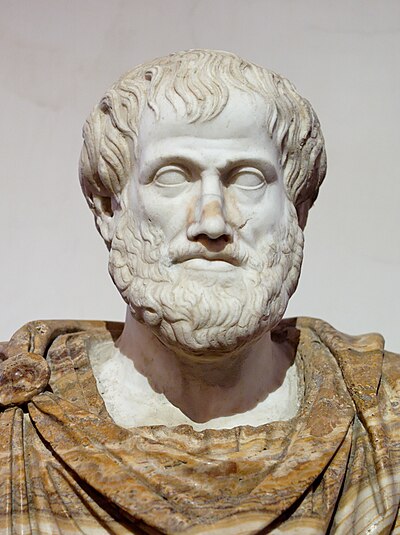
Αθηναίων Πολιτεία
1990

Αθηναίων Πολιτεία
1990
Translated by I. (Ioannes) Zervos
Αθηναίων Πολιτεία, attributed to Aristotle and likely written by one of his students in the late 4th century BC, is a historical and analytical account of Athens' political systems from the 7th to 4th centuries BC. The work details significant reforms, including those by Solon and the establishment of democracy under Pericles, while examining the city's governance and administration. This text serves as a crucial source for understanding the evolution of Athenian democracy and the political landscape of ancient Greece, highlighting Aristotle's influence on political philosophy.
Editions

X-Ray
“Halk yığınları aldatıldıkları zaman kendilerini kötü şeyler yapmaya özendirenlere karşı kin besler.””
— Aristotle
“Διότι ο λαός, και αν ακόμη εξαπατηθεί, ύστερα συνήθως μισεί εκείνους που τον παρέσυραν να προβεί σε κάτι εσφαλμένο.””
— Aristotle
“Pisistratus had the reputation of being an extreme democrat, and he also had distinguished himself greatly in the war with Megara. Taking advantage of this, he wounded himself, and by representing that his injuries had been inflicted on him by his political rivals, he persuaded the people, through a motion proposed by Aristion, to grant him a bodyguard. After he had got these 'club-bearers', as they were called, he made an attack with them on the people and seized the Acropolis...””
— Aristotle
About Αθηναίων Πολιτεία
Chapter Summaries
- 1-2
- Covers Athens' mythical origins under kings like Theseus and the failed coup attempt by Cylon, which led to the curse on the Alcmaeonidae family.
- 3
- Details Solon's reforms including debt relief, constitutional changes, and the creation of four property classes with corresponding political rights.
- 4-6
- Describes how Pisistratus became tyrant, his moderate rule, and succession by his sons Hippias and Hipparchus.
Key Themes
- Constitutional Evolution
- The gradual transformation of Athens from monarchy through aristocracy, tyranny, and various forms of democracy, showing how political systems adapt to social pressures.
- Class Struggle
- The persistent conflict between aristocrats and common people, with figures like Solon attempting to mediate between extremes and create balanced government.
- Democratic Innovation
- Athens' pioneering development of democratic institutions like ostracism, jury pay, and popular assemblies that gave ordinary citizens political power.
Characters
- Solon(major)
- Athenian lawgiver and statesman who established democratic reforms around 594 BCE. Known for his moderate approach, debt relief (seisachtheia), and constitutional reforms that laid the foundation for Athenian democracy.
- Pisistratus(major)
- Athenian tyrant who ruled Athens intermittently from 561-527 BCE. Despite being a tyrant, he governed moderately and promoted economic prosperity and cultural development.
- Cleisthenes(major)
- Athenian statesman known as the 'father of democracy' who reformed the constitution around 508 BCE. He reorganized the tribes, established ostracism, and created more democratic institutions.
- Hippias(major)
- Son of Pisistratus who became tyrant after his father's death. His rule became harsh after his brother Hipparchus was assassinated, leading to his eventual overthrow in 510 BCE.
- Ephialtes(major)
- Democratic leader who curtailed the powers of the Areopagus around 462 BCE, transferring many of its functions to popular courts and assembly. He was assassinated for his reforms.
- Pericles(major)
- Athenian statesman who led Athens during its Golden Age. He introduced pay for jury service, promoted democracy, and oversaw Athens' cultural and imperial expansion.
Link to this book
Add a free, dofollow link to Lex on your blog, forum, syllabus, or reading list.

<a href="https://lex-books.com/book/-f63d9448-fcb3-4253-86ac-e528fdaa616e"><img src="https://lex-books.com/badges/read-on-lex.svg" alt="Read Αθηναίων Πολιτεία by Aristotle free on Lex" width="160" height="40"></a>[](https://lex-books.com/book/-f63d9448-fcb3-4253-86ac-e528fdaa616e)[url=https://lex-books.com/book/-f63d9448-fcb3-4253-86ac-e528fdaa616e][img]https://lex-books.com/badges/read-on-lex.svg[/img][/url]Read Αθηναίων Πολιτεία by Aristotle free on Lex: https://lex-books.com/book/-f63d9448-fcb3-4253-86ac-e528fdaa616eCite this book
Reading this edition for a paper or guide? Copy a citation.
Aristotle. Αθηναίων Πολιτεία. Lex, lex-books.com/book/-f63d9448-fcb3-4253-86ac-e528fdaa616e.Aristotle (1990). Αθηναίων Πολιτεία. Lex. https://lex-books.com/book/-f63d9448-fcb3-4253-86ac-e528fdaa616eAristotle. Αθηναίων Πολιτεία. Lex. https://lex-books.com/book/-f63d9448-fcb3-4253-86ac-e528fdaa616e.