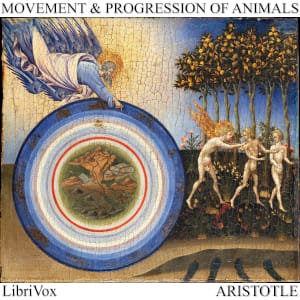
Movement & Progression of Animals
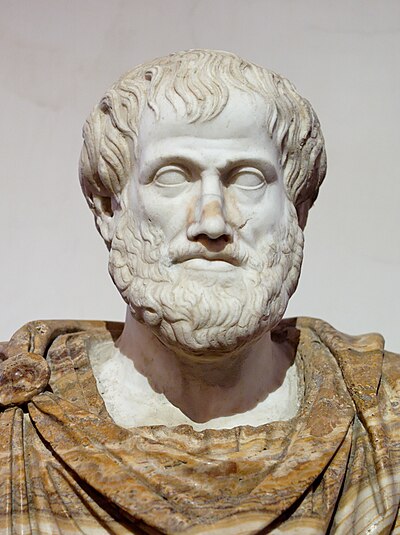
Two thousand three hundred years before biomechanics became a field, Aristotle was dissecting chickens and theorizing about why fish have no shoulders. These two brief treatises reveal the philosopher as something rarely acknowledged: a tireless observer of the living world, endlessly curious about how creatures actually work. In Movement of Animals, he asks what makes motion possible, mapping the relationship between soul and body, between impulse and locomotion, and even daring to wonder whether some unmoved force might initiate all movement in the cosmos. In Progression of Animals, he turns to comparative anatomy with the eye of someone cataloging nature's ingenuity: why do birds have hollow bones? What allows a snake to glide but not walk? Why does the elephant's leg not bend where a horse's does? Aristotle answers not with theology but with function, with the radical idea that every part exists for a purpose. These are not the musings of a dreamer but the notes of a man who clearly cut open animals to see for himself. For anyone curious about where science began, or how the first great mind of the West tried to solve the puzzle of animated flesh.
Editions

Link to this book
Add a free, dofollow link to Lex on your blog, forum, syllabus, or reading list.

<a href="https://lex-books.com/book/movement-progression-of-animals-604acdfc-7079-498f-8dbe-8581bef5ba7a"><img src="https://lex-books.com/badges/read-on-lex.svg" alt="Read Movement & Progression of Animals by Aristotle free on Lex" width="160" height="40"></a>[](https://lex-books.com/book/movement-progression-of-animals-604acdfc-7079-498f-8dbe-8581bef5ba7a)[url=https://lex-books.com/book/movement-progression-of-animals-604acdfc-7079-498f-8dbe-8581bef5ba7a][img]https://lex-books.com/badges/read-on-lex.svg[/img][/url]Read Movement & Progression of Animals by Aristotle free on Lex: https://lex-books.com/book/movement-progression-of-animals-604acdfc-7079-498f-8dbe-8581bef5ba7aCite this book
Reading this edition for a paper or guide? Copy a citation.
Aristotle. Movement & Progression of Animals. Lex, lex-books.com/book/movement-progression-of-animals-604acdfc-7079-498f-8dbe-8581bef5ba7a.Aristotle (n.d.). Movement & Progression of Animals. Lex. https://lex-books.com/book/movement-progression-of-animals-604acdfc-7079-498f-8dbe-8581bef5ba7aAristotle. Movement & Progression of Animals. Lex. https://lex-books.com/book/movement-progression-of-animals-604acdfc-7079-498f-8dbe-8581bef5ba7a.