Zygmunt, hrabia Krasiński
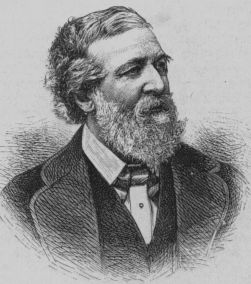
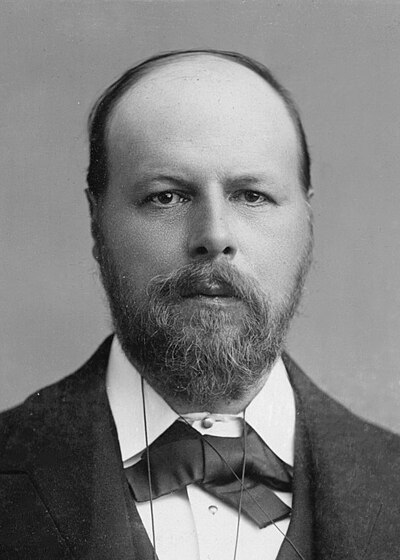
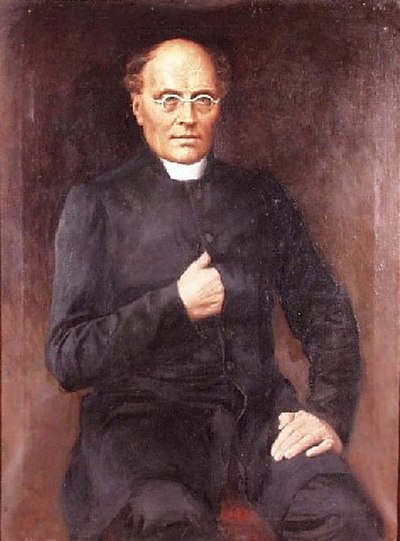
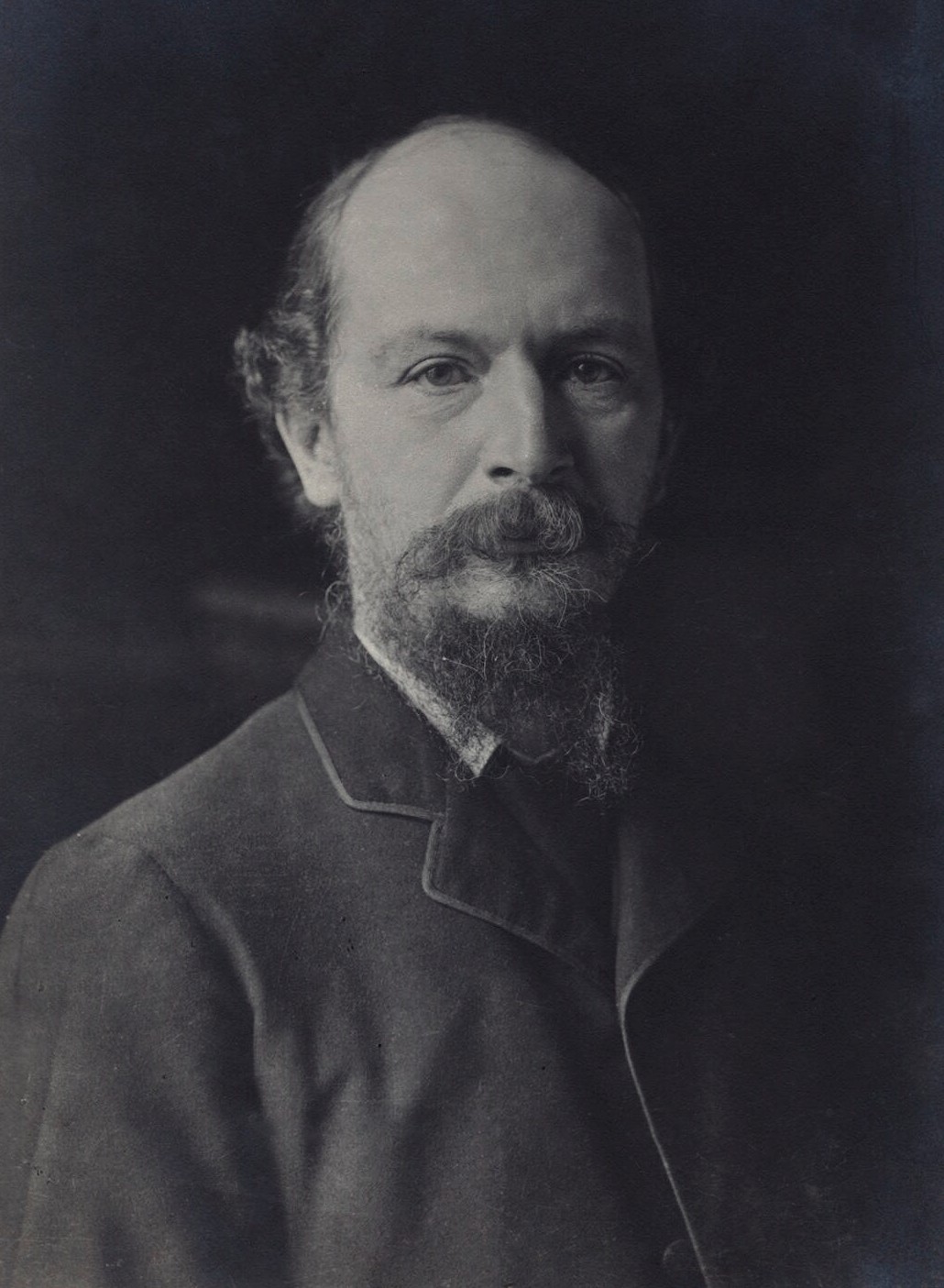
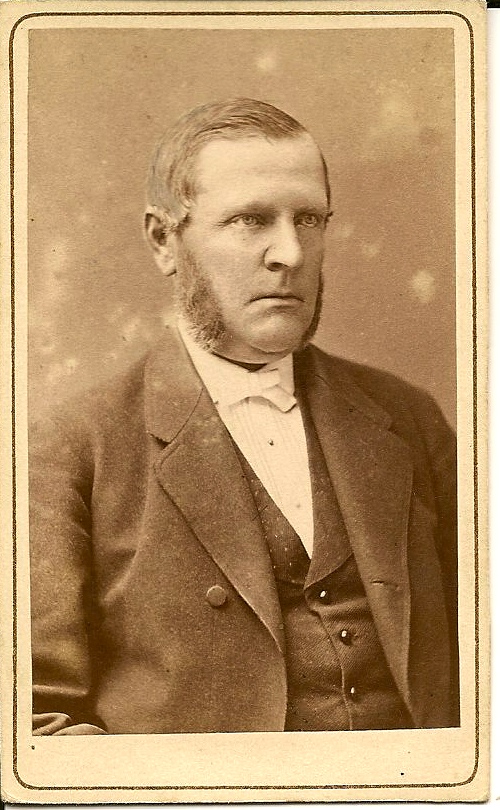
Zygmunt Krasiński was a prominent Polish Romantic poet and playwright, celebrated for his significant contributions to Polish literature during the 19th century. Born into an aristocratic family, Krasiński was deeply influenced by the political turmoil and national struggles of his homeland, which shaped much of his literary output. His works often grappled with themes of existentialism, the human condition, and the quest for national identity, reflecting the broader Romantic movement that sought to express deep emotional and philosophical concerns. Among his most notable works are the plays "Nieboska komedia" (The Un-Divine Comedy) and "Irydion," which explore the complexities of human nature and the moral dilemmas faced by individuals in a turbulent society. Krasiński's writing is characterized by its rich symbolism and innovative use of language, which set him apart from his contemporaries. His legacy endures as one of the key figures in Polish literature, influencing future generations of writers and thinkers, and his works continue to be studied for their profound insights into the human experience and the struggles of the Polish nation.
Books from the author

Link to this page
Add a free, dofollow link to Lex on your blog, forum, syllabus, or reading list.

<a href="https://lex-books.com/author/zygmunt-hrabia-krasiński"><img src="https://lex-books.com/badges/read-on-lex.svg" alt="Zygmunt, hrabia Krasiński on Lex" width="160" height="40"></a>[](https://lex-books.com/author/zygmunt-hrabia-krasiński)[url=https://lex-books.com/author/zygmunt-hrabia-krasiński][img]https://lex-books.com/badges/read-on-lex.svg[/img][/url]Zygmunt, hrabia Krasiński on Lex: https://lex-books.com/author/zygmunt-hrabia-krasiński