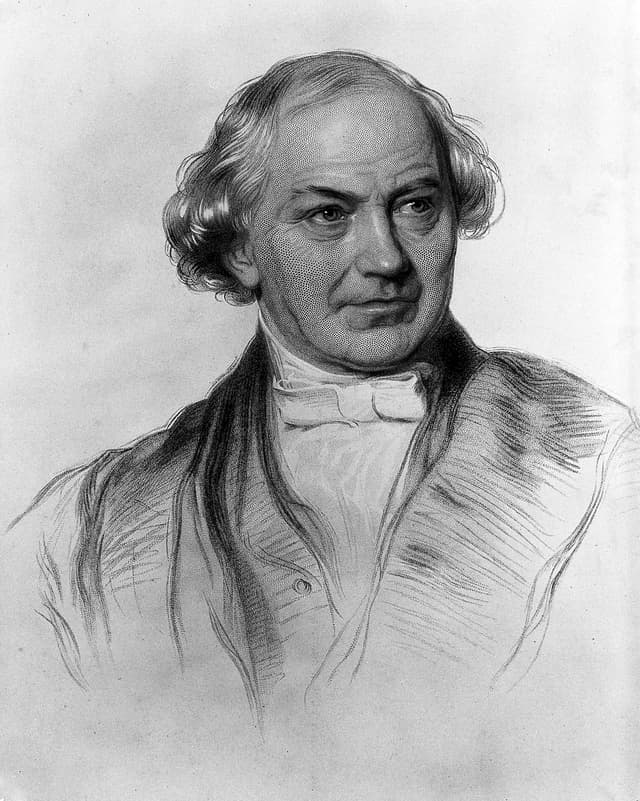
William Whewell
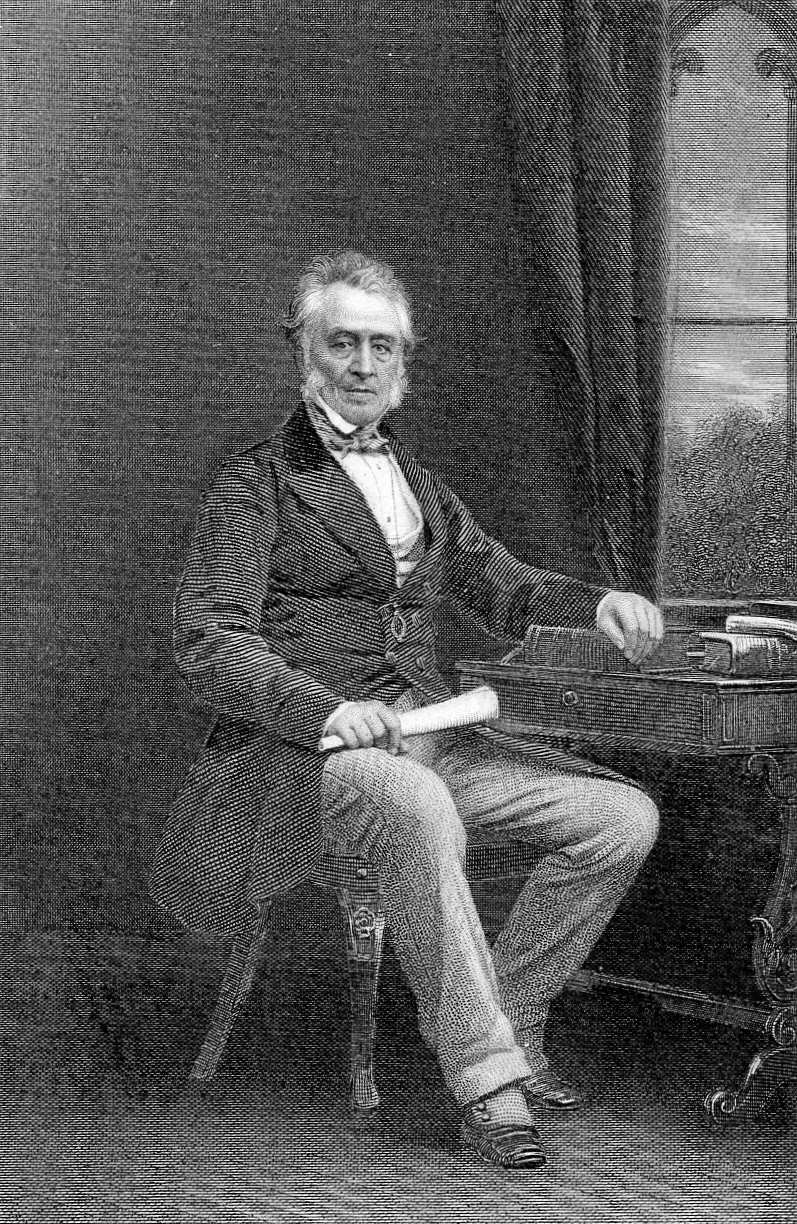
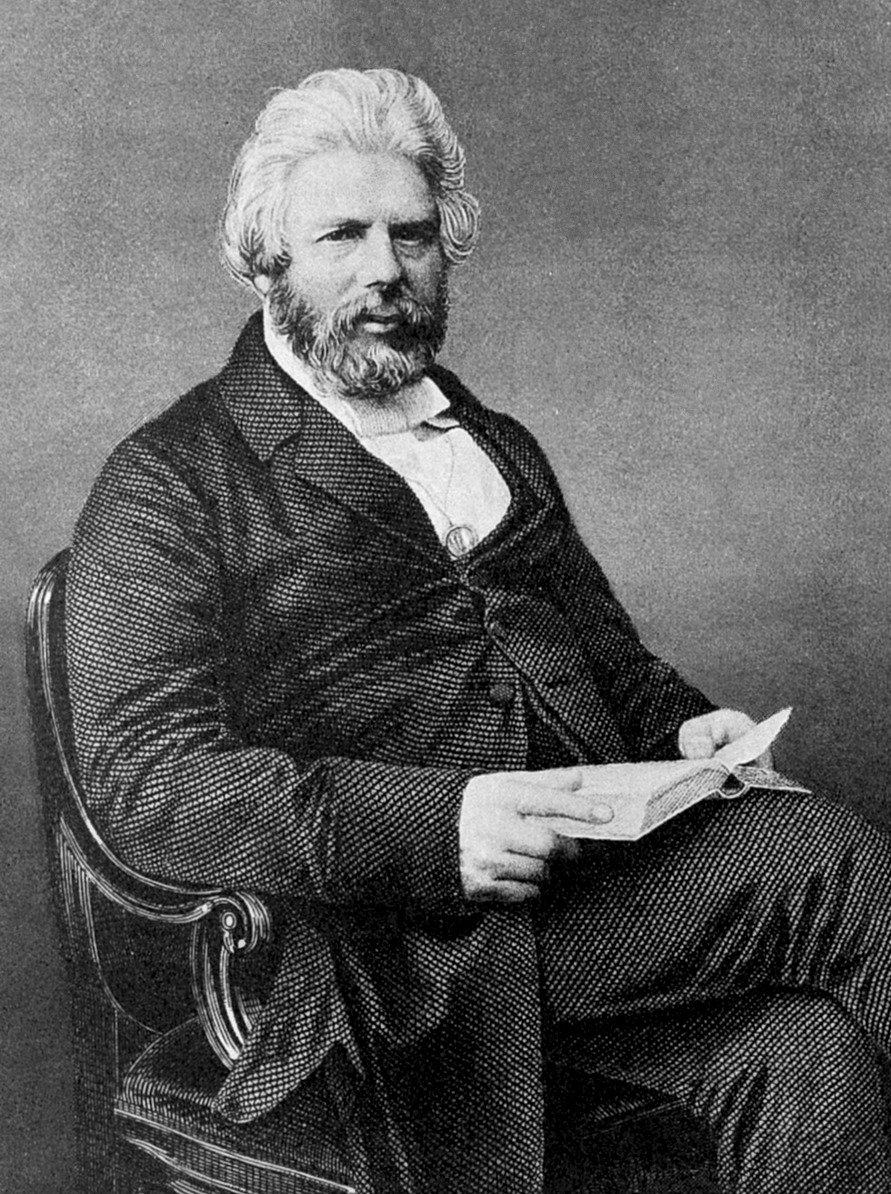
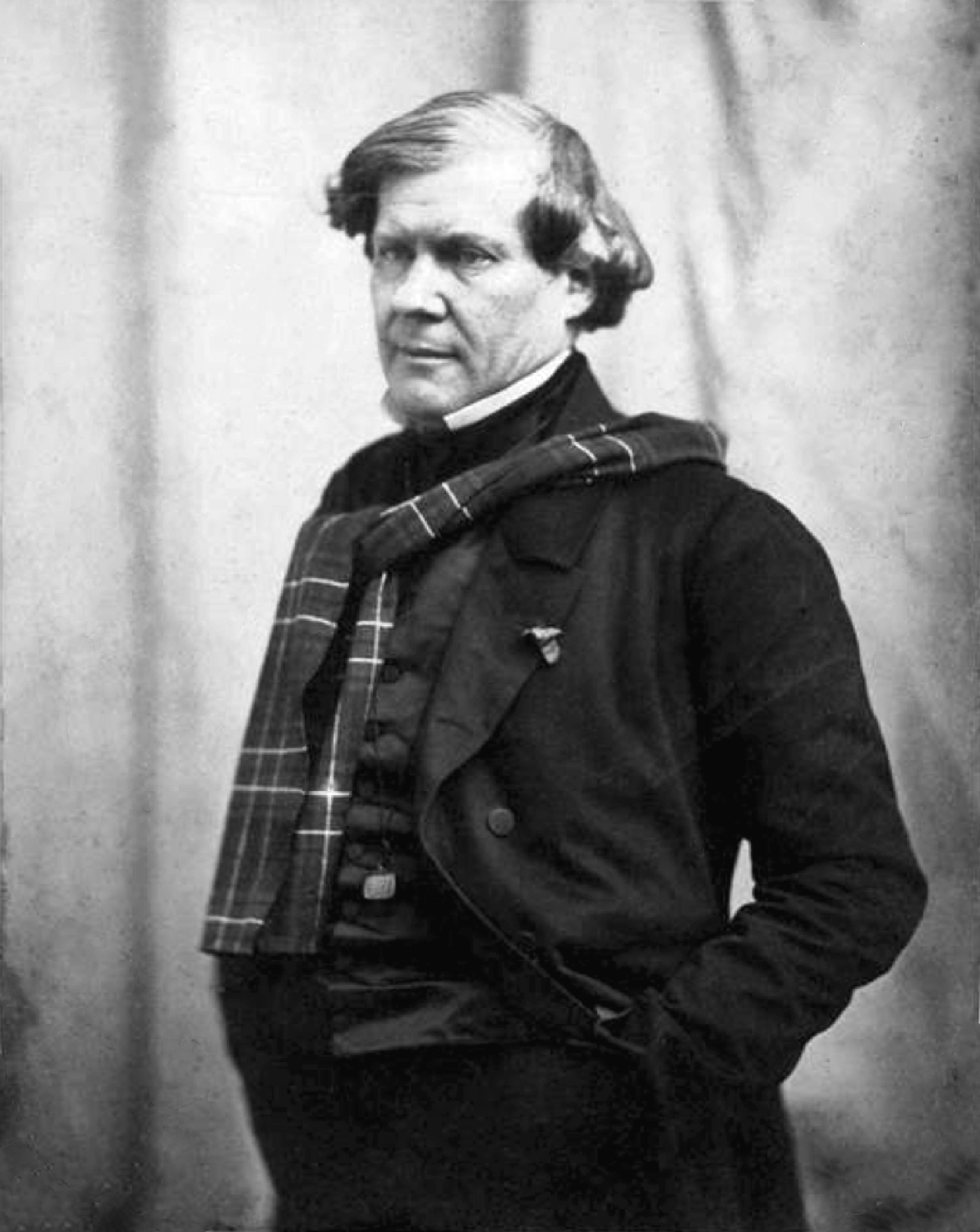
William Whewell was an English polymath known for his wide-ranging contributions to science, philosophy, and literature. As the Master of Trinity College, Cambridge, he distinguished himself in both poetry and mathematics during his academic career. Whewell's remarkable breadth of interests set him apart in an era increasingly defined by specialization. He published influential works in mechanics, physics, geology, astronomy, and economics, while also engaging in poetry, translating Goethe, and writing theological tracts. His mathematical legacy includes the Whewell equation, which defines the shape of a curve independently of any coordinate system. Additionally, he organized one of the first citizen science projects, mobilizing thousands of volunteers to study ocean tides, a feat that earned him the Royal Medal in 1837. Whewell's impact on the scientific community extended beyond his research; he was a master wordsmith who coined numerous terms that have become integral to the lexicon of science. Among his contributions are the words 'scientist,' 'physicist,' 'linguistics,' 'consilience,' 'catastrophism,' 'uniformitarianism,' and 'astigmatism.' He also suggested key terminology to contemporaries like Michael Faraday, including 'electrode,' 'ion,' 'dielectric,' 'anode,' and 'cathode.' Whewell's legacy lies in his ability to bridge disciplines and foster communication within the scientific community, making him a pivotal figure in the development of modern scientific language and thought.
Famous Quotes
View all 3 quotes“Every failure is a step to success. Every detection of what is false directs us towards what is true: every trial exhausts some tempting form of error.”
“And so no force however great can stretch a cord however fine into a horizontal line that shall be absolutely straight.”
“Man is the interpreter of nature, science the right interpretation.”
Books from the author
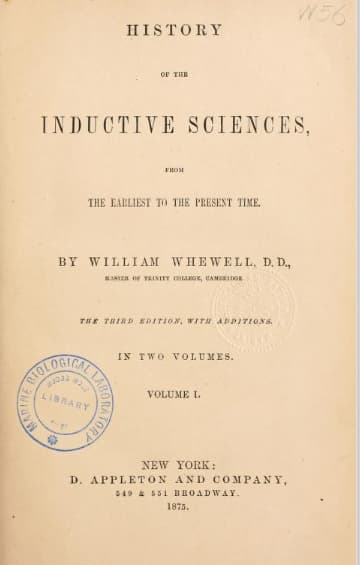

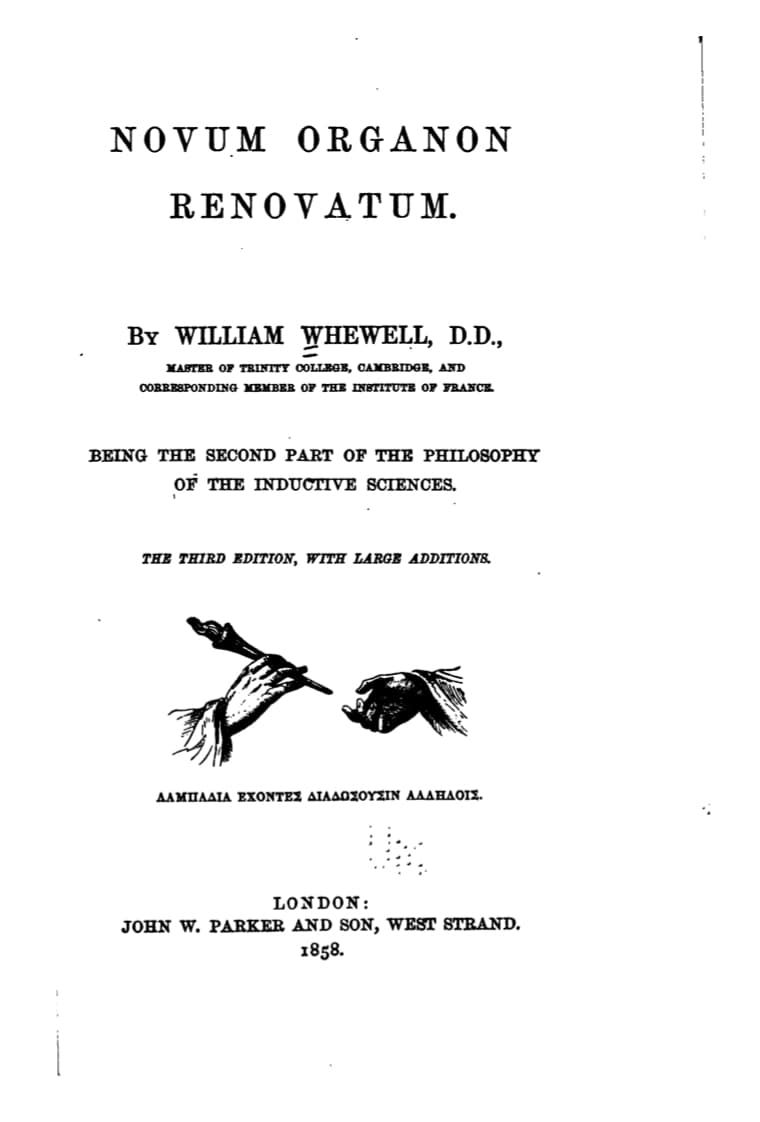
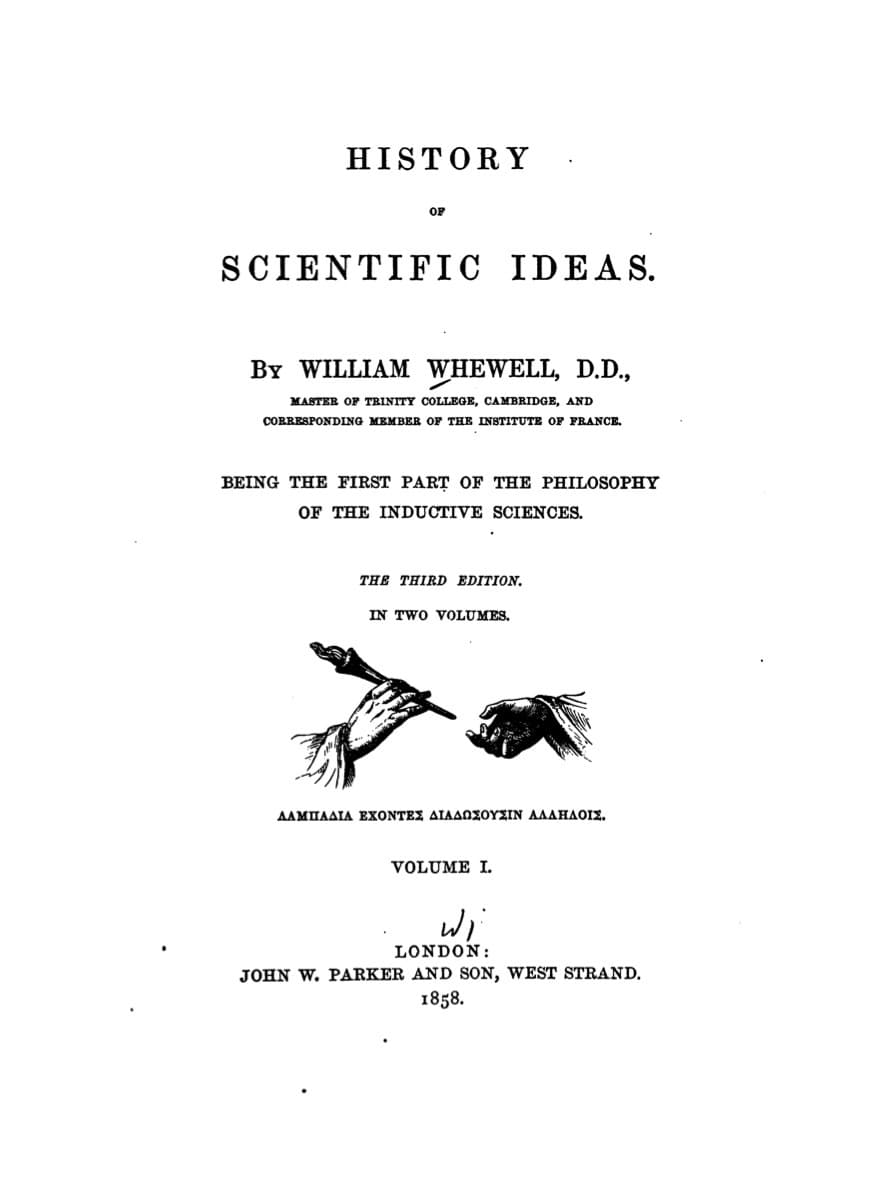



Link to this page
Add a free, dofollow link to Lex on your blog, forum, syllabus, or reading list.

<a href="https://lex-books.com/author/william-whewell"><img src="https://lex-books.com/badges/read-on-lex.svg" alt="William Whewell on Lex" width="160" height="40"></a>[](https://lex-books.com/author/william-whewell)[url=https://lex-books.com/author/william-whewell][img]https://lex-books.com/badges/read-on-lex.svg[/img][/url]William Whewell on Lex: https://lex-books.com/author/william-whewell