On the Philosophy of Discovery, Chapters Historical and Critical
1860

On the Philosophy of Discovery, Chapters Historical and Critical
1860
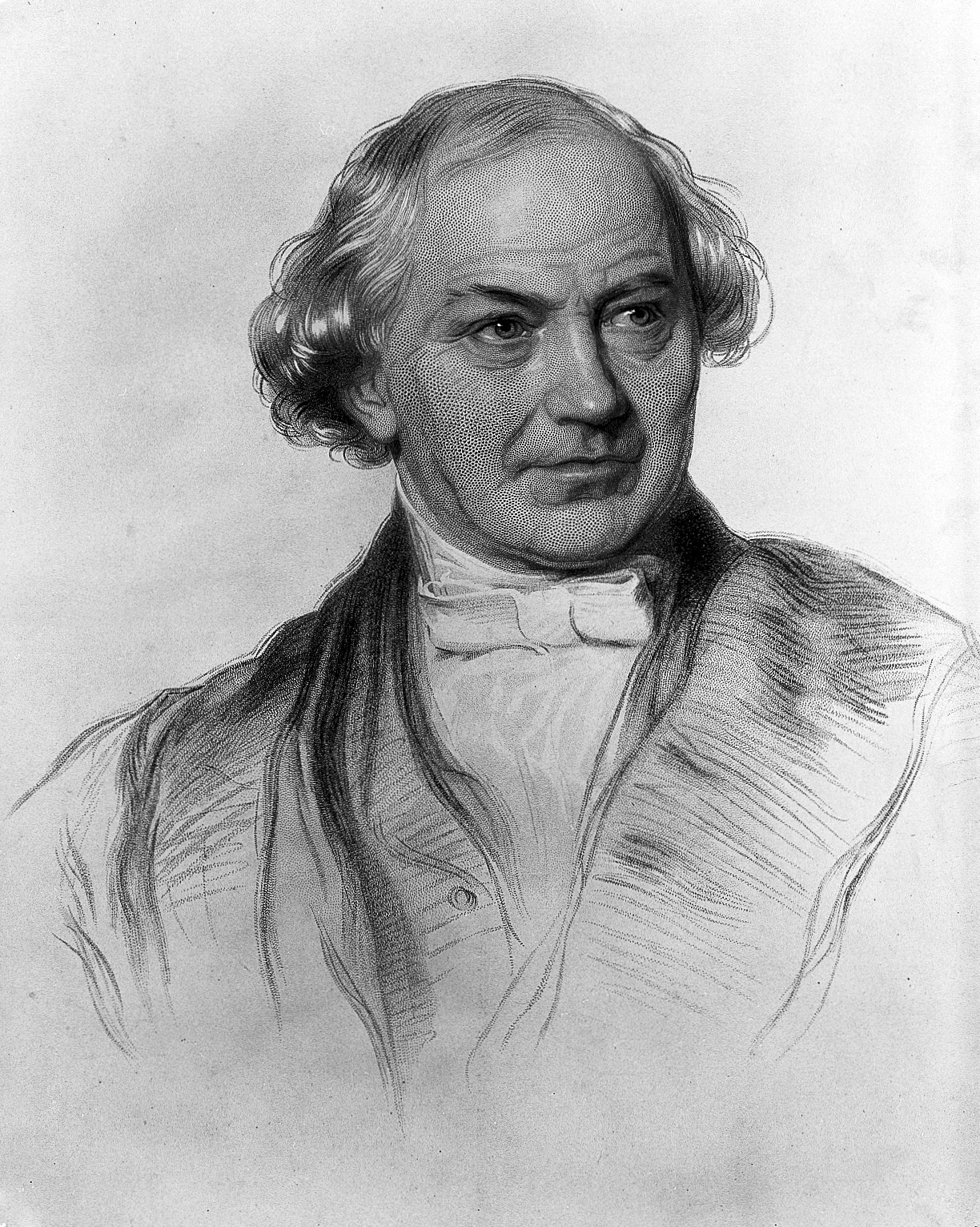
William Whewell, one of the nineteenth century's most penetrating minds on the nature of knowledge, here turns his attention to the grand question that still haunts philosophy of science: how does discovery actually happen? Not the tidy logic of textbooks, but the messy, creative, often invisible process by which human beings pull genuine knowledge from the chaos of experience. Whewell argues that the history of science cannot be merely a catalog of discoveries, but must be a critical examination of how the mind imposes order upon facts. He ranges from Plato's idealism to Aristotle's empiricism, tracing how each tradition understood, and often misunderstood, the path from observation to understanding. This is not a celebration of science but a rigorous interrogation of its foundations, asking what we mean by 'knowledge' and whether the methods we trust truly deserve our trust. For anyone who has ever wondered why some scientists see what others miss, or how a leap of imagination differs from a guess, Whewell offers a framework that remains startlingly relevant.
Editions

Link to this book
Add a free, dofollow link to Lex on your blog, forum, syllabus, or reading list.

<a href="https://lex-books.com/book/on-the-philosophy-of-discovery-chapters-historical-and-critical-3eeb86aa-3d4f-4d01-8d70-2e5126aa6ef3"><img src="https://lex-books.com/badges/read-on-lex.svg" alt="Read On the Philosophy of Discovery, Chapters Historical and Critical by William Whewell free on Lex" width="160" height="40"></a>[](https://lex-books.com/book/on-the-philosophy-of-discovery-chapters-historical-and-critical-3eeb86aa-3d4f-4d01-8d70-2e5126aa6ef3)[url=https://lex-books.com/book/on-the-philosophy-of-discovery-chapters-historical-and-critical-3eeb86aa-3d4f-4d01-8d70-2e5126aa6ef3][img]https://lex-books.com/badges/read-on-lex.svg[/img][/url]Read On the Philosophy of Discovery, Chapters Historical and Critical by William Whewell free on Lex: https://lex-books.com/book/on-the-philosophy-of-discovery-chapters-historical-and-critical-3eeb86aa-3d4f-4d01-8d70-2e5126aa6ef3Cite this book
Reading this edition for a paper or guide? Copy a citation.
Whewell, William. On the Philosophy of Discovery, Chapters Historical and Critical. Lex, lex-books.com/book/on-the-philosophy-of-discovery-chapters-historical-and-critical-3eeb86aa-3d4f-4d01-8d70-2e5126aa6ef3.Whewell, W. (1860). On the Philosophy of Discovery, Chapters Historical and Critical. Lex. https://lex-books.com/book/on-the-philosophy-of-discovery-chapters-historical-and-critical-3eeb86aa-3d4f-4d01-8d70-2e5126aa6ef3Whewell, William. On the Philosophy of Discovery, Chapters Historical and Critical. Lex. https://lex-books.com/book/on-the-philosophy-of-discovery-chapters-historical-and-critical-3eeb86aa-3d4f-4d01-8d70-2e5126aa6ef3.