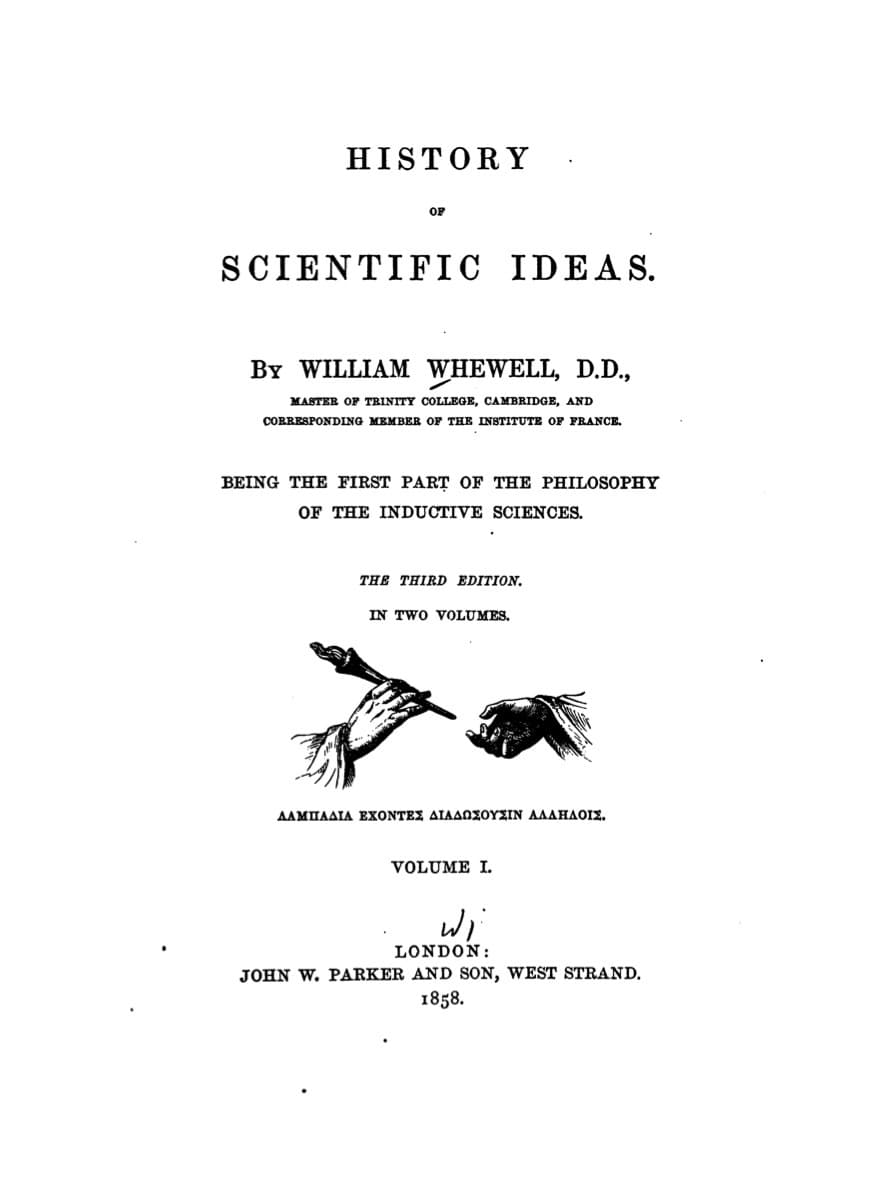
History of the Inductive Sciences, from the Earliest to the Present Time
1837
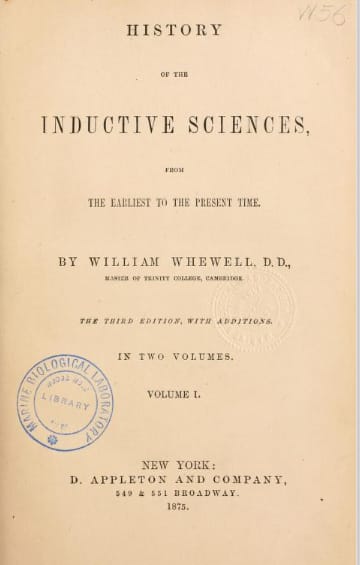
History of the Inductive Sciences, from the Earliest to the Present Time
1837
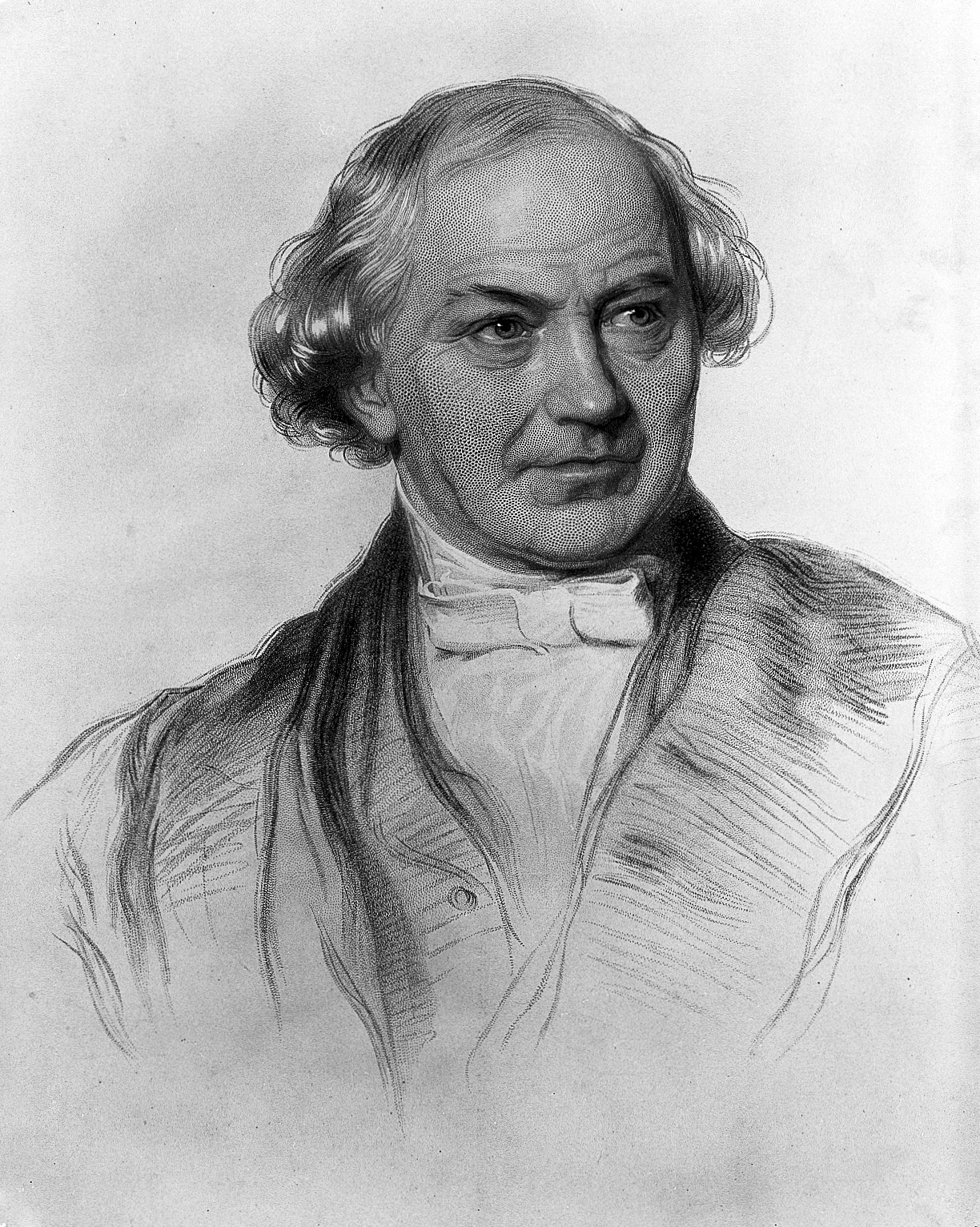
Before science became a collection of facts, it was a way of seeing the world. William Whewell's monumental 1837 work traces the remarkable evolution of the physical sciences from their earliest stirrings in ancient civilizations to the state of knowledge in his own era, revealing how humanity learned to read nature's patterns through the patient accumulation of observation and reason. This is not merely a catalog of discoveries, but an argument: that the inductive method, building universal truths from particular facts, represents one of civilization's most powerful intellectual achievements. Whewell guides readers through pivotal epochs and the great minds who shaped them, showing how astronomy freed itself from superstition, how physics escaped the grip of authority, and how the very practice of rigorous inquiry emerged from centuries of refinement. His prose carries the conviction of a thinker who believed that understanding how we came to know what we know is as essential as the knowledge itself. For readers who wish to understand not just what science has found, but how it found it, and why that journey matters, this remains an indispensable intellectual adventure.
Editions
Link to this book
Add a free, dofollow link to Lex on your blog, forum, syllabus, or reading list.

<a href="https://lex-books.com/book/history-of-the-inductive-sciences-from-the-earliest-to-the-present-time-7a74e832-fe73-4a00-876c-a9743f0488f1"><img src="https://lex-books.com/badges/read-on-lex.svg" alt="Read History of the Inductive Sciences, from the Earliest to the Present Time by William Whewell free on Lex" width="160" height="40"></a>[](https://lex-books.com/book/history-of-the-inductive-sciences-from-the-earliest-to-the-present-time-7a74e832-fe73-4a00-876c-a9743f0488f1)[url=https://lex-books.com/book/history-of-the-inductive-sciences-from-the-earliest-to-the-present-time-7a74e832-fe73-4a00-876c-a9743f0488f1][img]https://lex-books.com/badges/read-on-lex.svg[/img][/url]Read History of the Inductive Sciences, from the Earliest to the Present Time by William Whewell free on Lex: https://lex-books.com/book/history-of-the-inductive-sciences-from-the-earliest-to-the-present-time-7a74e832-fe73-4a00-876c-a9743f0488f1Cite this book
Reading this edition for a paper or guide? Copy a citation.
Whewell, William. History of the Inductive Sciences, from the Earliest to the Present Time. Lex, lex-books.com/book/history-of-the-inductive-sciences-from-the-earliest-to-the-present-time-7a74e832-fe73-4a00-876c-a9743f0488f1.Whewell, W. (1837). History of the Inductive Sciences, from the Earliest to the Present Time. Lex. https://lex-books.com/book/history-of-the-inductive-sciences-from-the-earliest-to-the-present-time-7a74e832-fe73-4a00-876c-a9743f0488f1Whewell, William. History of the Inductive Sciences, from the Earliest to the Present Time. Lex. https://lex-books.com/book/history-of-the-inductive-sciences-from-the-earliest-to-the-present-time-7a74e832-fe73-4a00-876c-a9743f0488f1.