
William Wallace
Sir William Wallace was a prominent Scottish knight and a key figure in the First War of Scottish Independence. He gained fame for his leadership in the Battle of Stirling Bridge in 1297, where he and Andrew Moray achieved a significant victory against the English forces. Following this triumph, Wallace was appointed Guardian of Scotland, a role he held until his defeat at the Battle of Falkirk in 1298. His resistance against English rule made him a symbol of Scottish nationalism and valor. Wallace's legacy endured long after his execution for treason in 1305, as he became a legendary figure in Scottish history. His life and exploits were immortalized in literature, most notably in Blind Harry's epic poem, The Wallace, written in the 15th century. His story has inspired numerous adaptations, including works by Jane Porter and Sir Walter Scott, as well as the Academy Award-winning film Braveheart. Wallace's enduring significance lies in his embodiment of the struggle for Scottish independence and his status as a national hero, representing the fight against oppression and the quest for freedom.
Famous Quotes
View all 4 quotes“We all have stories, just as you do. Ways in which he touched us, helped us, gave us money, sold it to us wholesale. Lots of stories, big and small. They all add up. Over a lifetime it all adds up. That's why we're here, William. We're a a part of him, who he is, just as he is a part of us. You still don't understand, do you?"I didn't. But as I stared at the man and he stared back at me, in my father's dream I remembered where we'd met before. "And what did my father do for you?" I asked him, and the old man smiled. "He made me laugh," he said.””
“Had Martha Foley returned William [James Sidis]'s passion as Margaret [Engemann] did Norbert [Wiener]'s, perhaps the two prodigies would have had more in common in the long run. ... In the life of a prodigy, perhaps more than in the average life, a marriage or a requited love is the greatest single factor that can heal the old childhood wounds. William and Norbert's response to their childhood and teenage rejections and humiliations was to retreat into the painless world of ideas, where successes and satisfactions abounded. A successful love affair could be the key to reentry into the world of feeling, bridging the gap between the cerebral and the emotional lives.””
“Every man dies. Not every man really lives.””
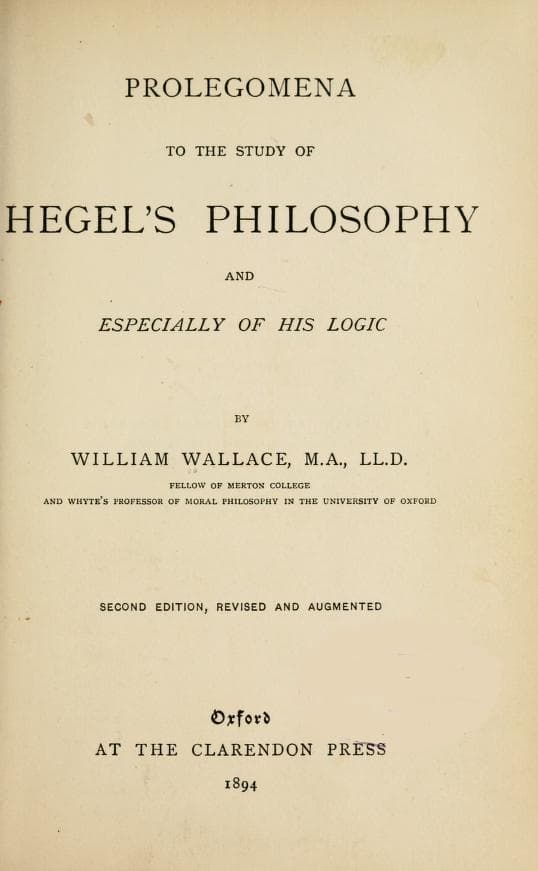
Books from the author

Link to this page
Add a free, dofollow link to Lex on your blog, forum, syllabus, or reading list.

<a href="https://lex-books.com/author/william-wallace"><img src="https://lex-books.com/badges/read-on-lex.svg" alt="William Wallace on Lex" width="160" height="40"></a>[](https://lex-books.com/author/william-wallace)[url=https://lex-books.com/author/william-wallace][img]https://lex-books.com/badges/read-on-lex.svg[/img][/url]William Wallace on Lex: https://lex-books.com/author/william-wallace