What would you like to read?Search books, authors, genres, shelves, users...
Search books, authors, genres, shelves, users...Search books, authors, genres, shelves, users...

What would you like to read?Search books, authors, genres, shelves, users...
Search books, authors, genres, shelves, users...Search books, authors, genres, shelves, users...
2 books
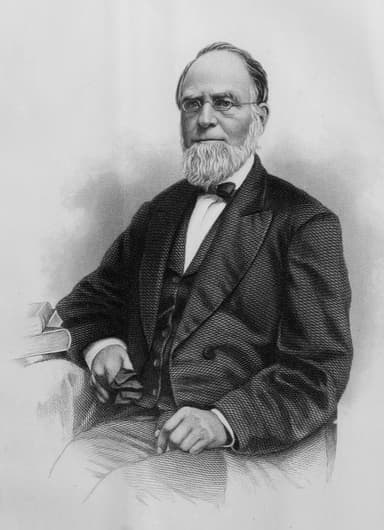
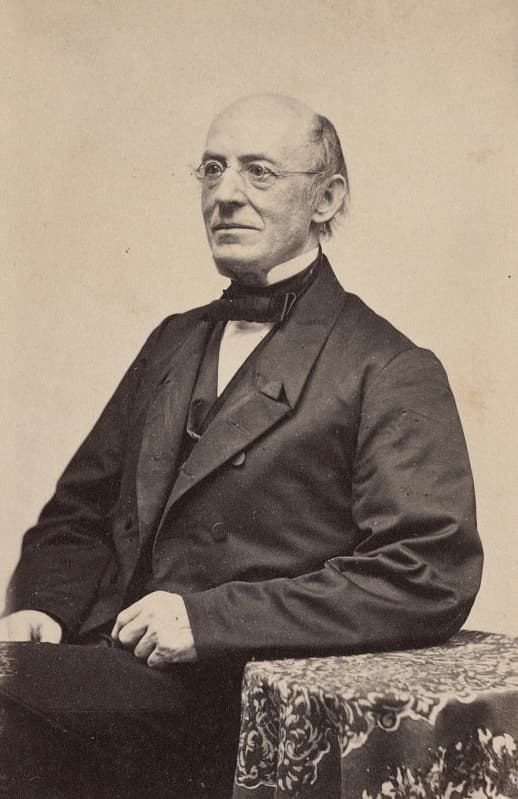
William Lloyd Garrison (December 10, 1805 – May 24, 1879) was an American abolitionist, journalist, and social reformer. He is best known for his widely read anti-slavery newspaper The Liberator, which Garrison founded in 1831 and published in Boston until slavery in the United States was abolished by the Thirteenth Amendment in 1865. He supported the rights of women and in the 1870s, Garrison became a prominent voice for the women's suffrage movement. Garrison promoted "no-governmentism", also known as "anarchism", and rejected the inherent validity of the American government on the basis that its engagement in war, imperialism, and slavery made it corrupt and tyrannical. His belief in individual sovereignty, and critique of coercive authority have been recognized as a precursor to certain strands of modern libertarian thought. He initially opposed violence as a principle and advocated for Christian pacifism against evil; however, at the outbreak of the American Civil War, he recognized the necessity of armed struggle as a means to achieve the abolition of slavery and supported the Lincoln administration's efforts to end the institution. He was one of the founders of the American Anti-Slavery Society and promoted immediate and uncompensated, as opposed to gradual and compensated, emancipation of slaves in the United States. Garrison was a typesetter, which aided him in running The Liberator. When working on his own editorials for the paper, Garrison would compose them while setting the type for the publication, without first writing them out on paper.: 57

I am aware that many object to the severity of my language; but is there not cause for severity? I will be as harsh as truth, and as uncompromising as justice. On this subject, I do not wish to think, or to speak, or write, with moderation. No! no! Tell a man whose house is on fire to give a moderate alarm; tell him to moderately rescue his wife from the hands of the ravisher; tell the mother to gradually extricate her babe from the fire into which it has fallen; — but urge me not to use moderation in a cause like the present. I am in earnest — I will not equivocate — I will not excuse — I will not retreat a single inch — AND I WILL BE HEARD.
I am aware that many object to the severity of my language; but is there not cause for severity? I will be as harsh as truth, and as uncompromising as justice. On this subject, I do not wish to think, or to speak, or write, with moderation. No! no! Tell a man whose house is on fire to give a moderate alarm; tell him to moderately rescue his wife from the hands of the ravisher; tell the mother to gradually extricate her babe from the fire into which it has fallen; — but urge me not to use moderation in a cause like the present. I am in earnest — I will not equivocate — I will not excuse — I will not retreat a single inch — AND I WILL BE HEARD.
I will be as harsh as truth, and uncompromising as justice... I am in earnest, I will not equivocate, I will not excuse, I will not retreat a single inch, and I will be heard.