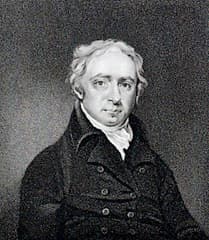
William Lisle Bowles
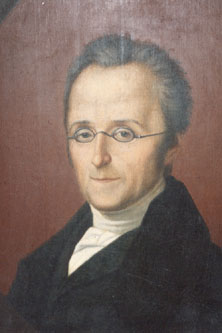
William Lisle Bowles was an English priest, poet, and literary critic known for his significant contributions to the Romantic movement in poetry. Born in 1762, he became a prominent figure in the literary circles of his time, gaining recognition for his lyrical style and emotional depth. Bowles's poetry often explored themes of nature and the human experience, with notable works such as 'The Spirit of Discovery' and 'Sonnets.' His innovative use of the sonnet form and his emphasis on personal emotion influenced contemporaries, including the likes of Samuel Taylor Coleridge and Percy Bysshe Shelley, who admired his ability to convey profound feelings through verse. In addition to his poetry, Bowles was a respected critic, advocating for a more expressive and personal approach to poetry, which contrasted with the neoclassical traditions of his predecessors. His critical essays and reviews helped shape the discourse around Romantic poetry, promoting the idea that poetry should reflect the poet's inner life and the beauty of the natural world. Bowles's legacy endures as a bridge between the neoclassical and Romantic eras, and his work continues to be studied for its impact on the evolution of English poetry.
Books from the author


Link to this page
Add a free, dofollow link to Lex on your blog, forum, syllabus, or reading list.

<a href="https://lex-books.com/author/william-lisle-bowles"><img src="https://lex-books.com/badges/read-on-lex.svg" alt="William Lisle Bowles on Lex" width="160" height="40"></a>[](https://lex-books.com/author/william-lisle-bowles)[url=https://lex-books.com/author/william-lisle-bowles][img]https://lex-books.com/badges/read-on-lex.svg[/img][/url]William Lisle Bowles on Lex: https://lex-books.com/author/william-lisle-bowles