The Poetical Works of William Lisle Bowles, Vol. 2
William Lisle Bowles was among the first poets to break from 18th century formalism, and this volume reveals why Wordsworth called him "the father of modern poetry." Here Bowles meditates on nature not as backdrop but as mirror to human grief, memory, and the passage of time. The opening essays trace poetry's evolution from Pope to the Romantics, positioning Bowles himself as a bridge between centuries. Yet it is the verse that endures: elegies to lost friends, observations of autumnal landscapes, reveries over churchyard stones that ask what remains when we are gone. Bowles writes with quiet desperation about mortality, yet finds solace in "the still, sad music of humanity" decades before Browning coined the phrase. The memoir that follows offers intimate glimpses into a poet's mind at war with melancholy, wrestling with faith and doubt while watching the industrial age eclipse an older England. For readers who cherish the Romantics' roots, or anyone drawn to poetry that sits with loneliness and finds strange beauty in it, this volume is a doorway into the creative moment when modern poetry began.
Editions
Link to this book
Add a free, dofollow link to Lex on your blog, forum, syllabus, or reading list.

<a href="https://lex-books.com/book/the-poetical-works-of-william-lisle-bowles-vol-2-36909ed6-fe2a-4894-9095-b842cba791f0"><img src="https://lex-books.com/badges/read-on-lex.svg" alt="Read The Poetical Works of William Lisle Bowles, Vol. 2 by William Lisle Bowles free on Lex" width="160" height="40"></a>[](https://lex-books.com/book/the-poetical-works-of-william-lisle-bowles-vol-2-36909ed6-fe2a-4894-9095-b842cba791f0)[url=https://lex-books.com/book/the-poetical-works-of-william-lisle-bowles-vol-2-36909ed6-fe2a-4894-9095-b842cba791f0][img]https://lex-books.com/badges/read-on-lex.svg[/img][/url]Read The Poetical Works of William Lisle Bowles, Vol. 2 by William Lisle Bowles free on Lex: https://lex-books.com/book/the-poetical-works-of-william-lisle-bowles-vol-2-36909ed6-fe2a-4894-9095-b842cba791f0Cite this book
Reading this edition for a paper or guide? Copy a citation.
Bowles, William Lisle. The Poetical Works of William Lisle Bowles, Vol. 2. Lex, lex-books.com/book/the-poetical-works-of-william-lisle-bowles-vol-2-36909ed6-fe2a-4894-9095-b842cba791f0.Bowles, W. L. (n.d.). The Poetical Works of William Lisle Bowles, Vol. 2. Lex. https://lex-books.com/book/the-poetical-works-of-william-lisle-bowles-vol-2-36909ed6-fe2a-4894-9095-b842cba791f0Bowles, William Lisle. The Poetical Works of William Lisle Bowles, Vol. 2. Lex. https://lex-books.com/book/the-poetical-works-of-william-lisle-bowles-vol-2-36909ed6-fe2a-4894-9095-b842cba791f0.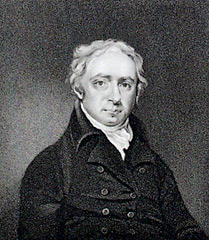


![Birds and Nature, Vol. 12 No. 1 [June 1902]illustrated by Color Photography](/_next/image?url=https%3A%2F%2Fd3b2n8gj62qnwr.cloudfront.net%2FCOVERS%2Fgutenberg_covers75k%2Febook-47881.png&w=3840&q=75)