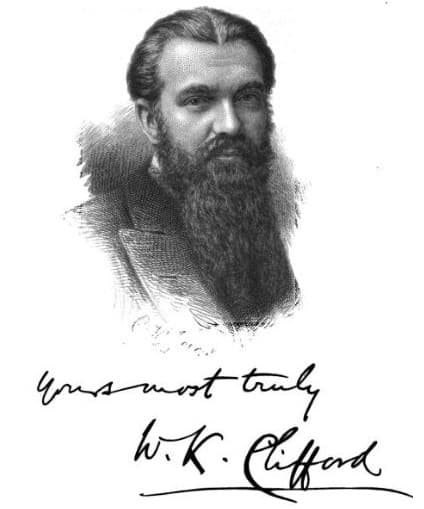
William Kingdon Clifford
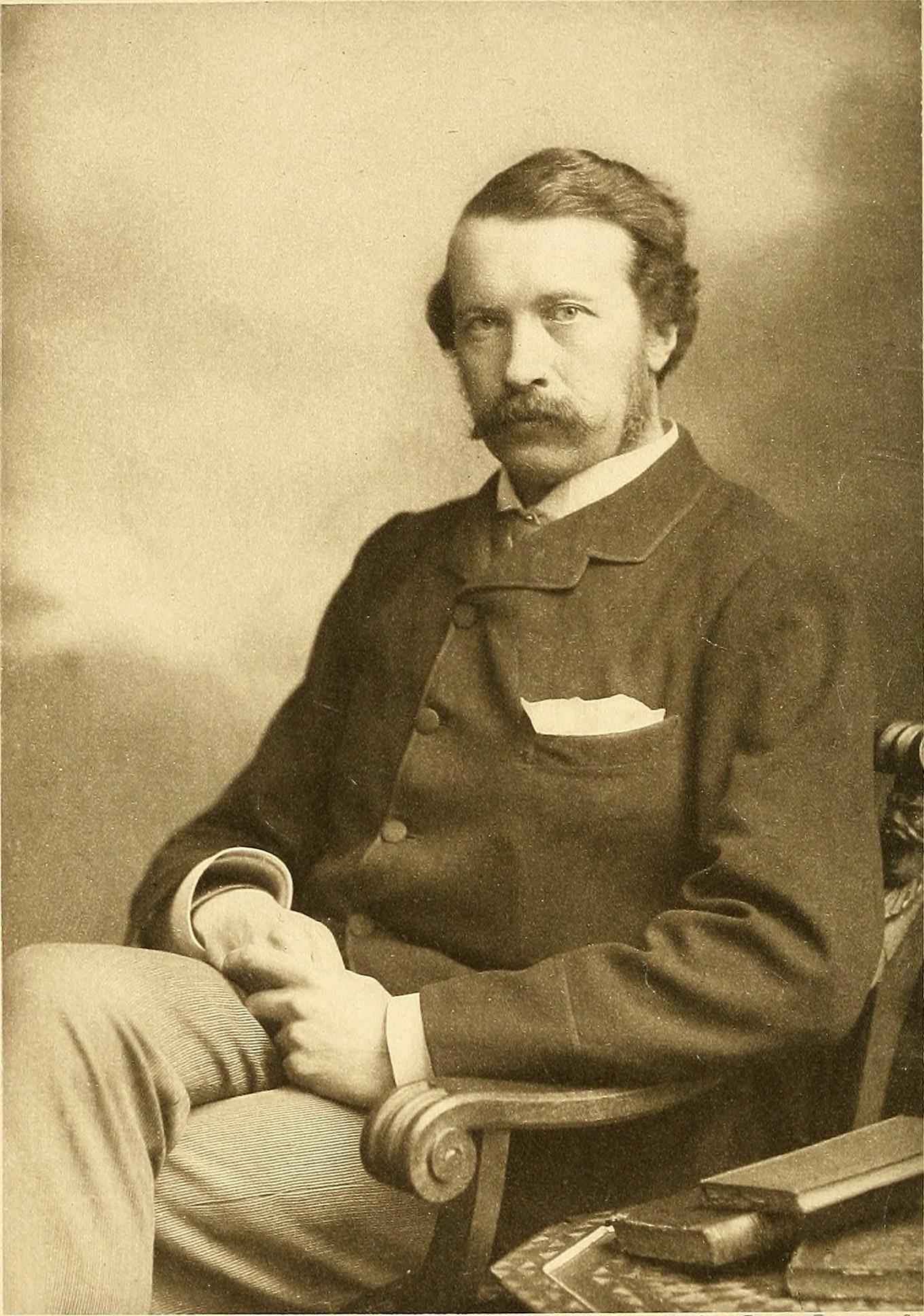
William Kingdon Clifford was a pioneering British mathematician and philosopher whose contributions significantly shaped the fields of mathematics and physics. He is best known for introducing geometric algebra, a mathematical framework that allows for the manipulation of geometric objects through operations such as mirroring, rotating, and translating. This innovative approach laid the groundwork for what would later be known as Clifford algebra, a concept that has become vital in various areas, including mathematical physics and computer science. His work built upon the ideas of Hermann Grassmann and expanded the understanding of algebraic structures in relation to geometry. In addition to his mathematical achievements, Clifford made notable philosophical contributions, coining the term 'mind-stuff' to describe the substance of thought and consciousness. He was also among the first to propose that gravitation could be interpreted as a manifestation of underlying geometric principles, a concept that would later influence the development of general relativity. Despite his untimely death at the age of 33, Clifford's legacy endures through his foundational work in geometric algebra and his insightful philosophical inquiries, marking him as a significant figure in both mathematics and philosophy.
Famous Quotes
View all 3 quotes“It is wrong always, everywhere, and for anyone, to believe anything upon insufficient evidence.”
“In like manner, if I let myself believe anything on insufficient evidence, there may be no great harm done by the mere belief; it may be true after all, or I may never have occasion to exhibit it in outward acts. But I cannot help doing this great wrong towards Man, that I make myself credulous. The danger to society is not merely that it should believe wrong things, though that is great enough; but that it should become credulous, and lose the habit of testing things and inquiring into them; for then it must sink back into savagery.”
“To sum up: it is wrong always, everywhere, and for anyone, to believe anything upon insufficient evidence. If a man, holding a belief which he was taught in childhood or persuaded of afterwards, keeps down and pushes away any doubts which arise about it in his mind, purposely avoids the reading of books and the company of men that call into question or discuss it, and regards as impious those questions which cannot easily be asked without disturbing it — the life of that man is one long sin against mankind. […] Inquiry into the evidence of a doctrine is not to be made once for all, and then taken as finally settled. It is never lawful to stifle a doubt; for either it can be honestly answered by means of the inquiry already made, or else it proves that the inquiry was not complete. “But,” says one, “I am a busy man; I have no time for the long course of study which would be necessary to make me in any degree a competent judge of certain questions, or even able to understand the nature of the arguments.” Then he should have no time to believe.”
Books from the author
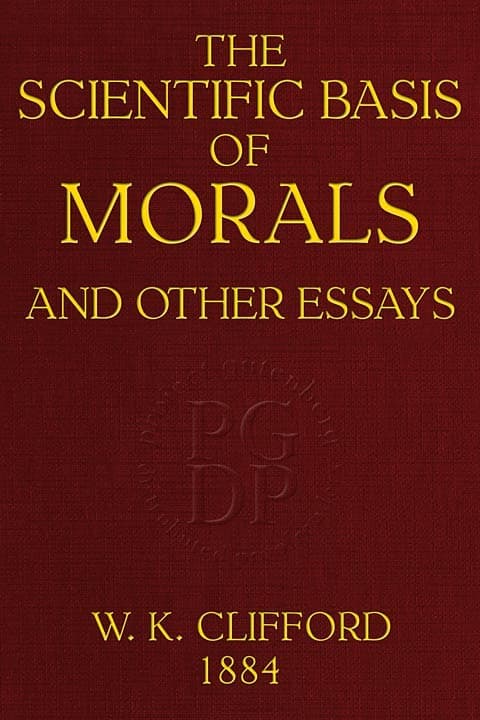


Link to this page
Add a free, dofollow link to Lex on your blog, forum, syllabus, or reading list.

<a href="https://lex-books.com/author/william-kingdon-clifford"><img src="https://lex-books.com/badges/read-on-lex.svg" alt="William Kingdon Clifford on Lex" width="160" height="40"></a>[](https://lex-books.com/author/william-kingdon-clifford)[url=https://lex-books.com/author/william-kingdon-clifford][img]https://lex-books.com/badges/read-on-lex.svg[/img][/url]William Kingdon Clifford on Lex: https://lex-books.com/author/william-kingdon-clifford