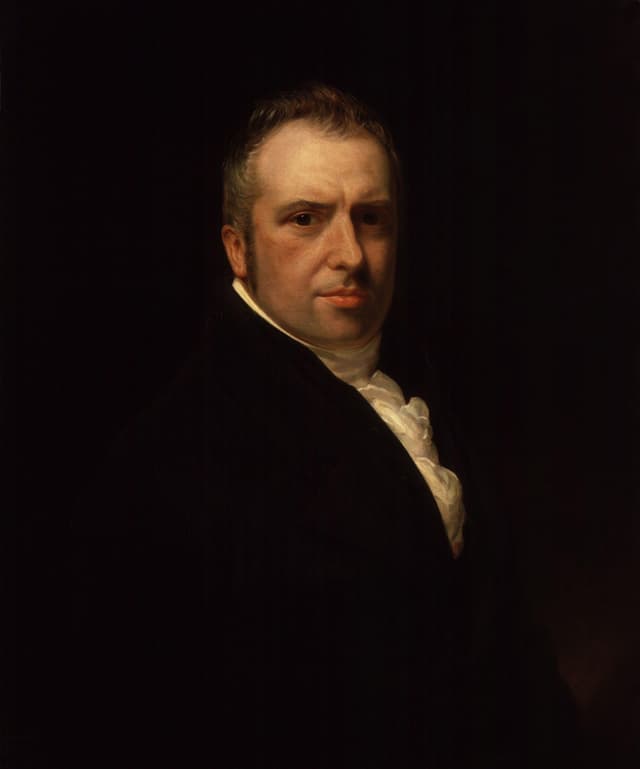
William Hone
William Hone was an influential English writer, satirist, and bookseller, best known for his sharp wit and commitment to free expression. Born in 1780, he became a prominent figure in the early 19th century, using his platform to challenge government censorship and advocate for press freedom. His most notable works include 'The Political House That Jack Built' and 'The Every-Day Book,' which combined humor with social commentary, reflecting the political climate of his time. Hone's satirical style and innovative use of parody made significant contributions to the genre, pushing the boundaries of political discourse. Hone's most remarkable achievement came in 1817 when he successfully defended himself against charges of blasphemy and sedition, a landmark case that underscored the importance of freedom of the press in Britain. This victory not only established him as a key figure in the fight against censorship but also inspired future generations of writers and activists. His legacy endures as a champion of civil liberties, and his works continue to be studied for their historical significance and literary merit, marking him as a pivotal figure in the evolution of British satire and journalism.
Famous Quotes
View all 1 quotes“The proudest heart that ever beat, Hath been subdued in me; The wildest will that ever rose-- To scorn Thy cause or aid Thy foes-- Is quelled, my God, by Thee! Thy will, and not my will, be done; Henceforth I'd be forever Thine; Confessing Thee, the Living Word, My Savior Christ, my God, my Lord, Thy Cross shall be my sign!”
Books from the author






Link to this page
Add a free, dofollow link to Lex on your blog, forum, syllabus, or reading list.

<a href="https://lex-books.com/author/william-hone"><img src="https://lex-books.com/badges/read-on-lex.svg" alt="William Hone on Lex" width="160" height="40"></a>[](https://lex-books.com/author/william-hone)[url=https://lex-books.com/author/william-hone][img]https://lex-books.com/badges/read-on-lex.svg[/img][/url]William Hone on Lex: https://lex-books.com/author/william-hone