The Queen's Matrimonial Ladder: A National Toy, with Fourteen Step Scenes; and Illustrations in Verse, with Eighteen Other Cuts
1820
The Queen's Matrimonial Ladder: A National Toy, with Fourteen Step Scenes; and Illustrations in Verse, with Eighteen Other Cuts
1820
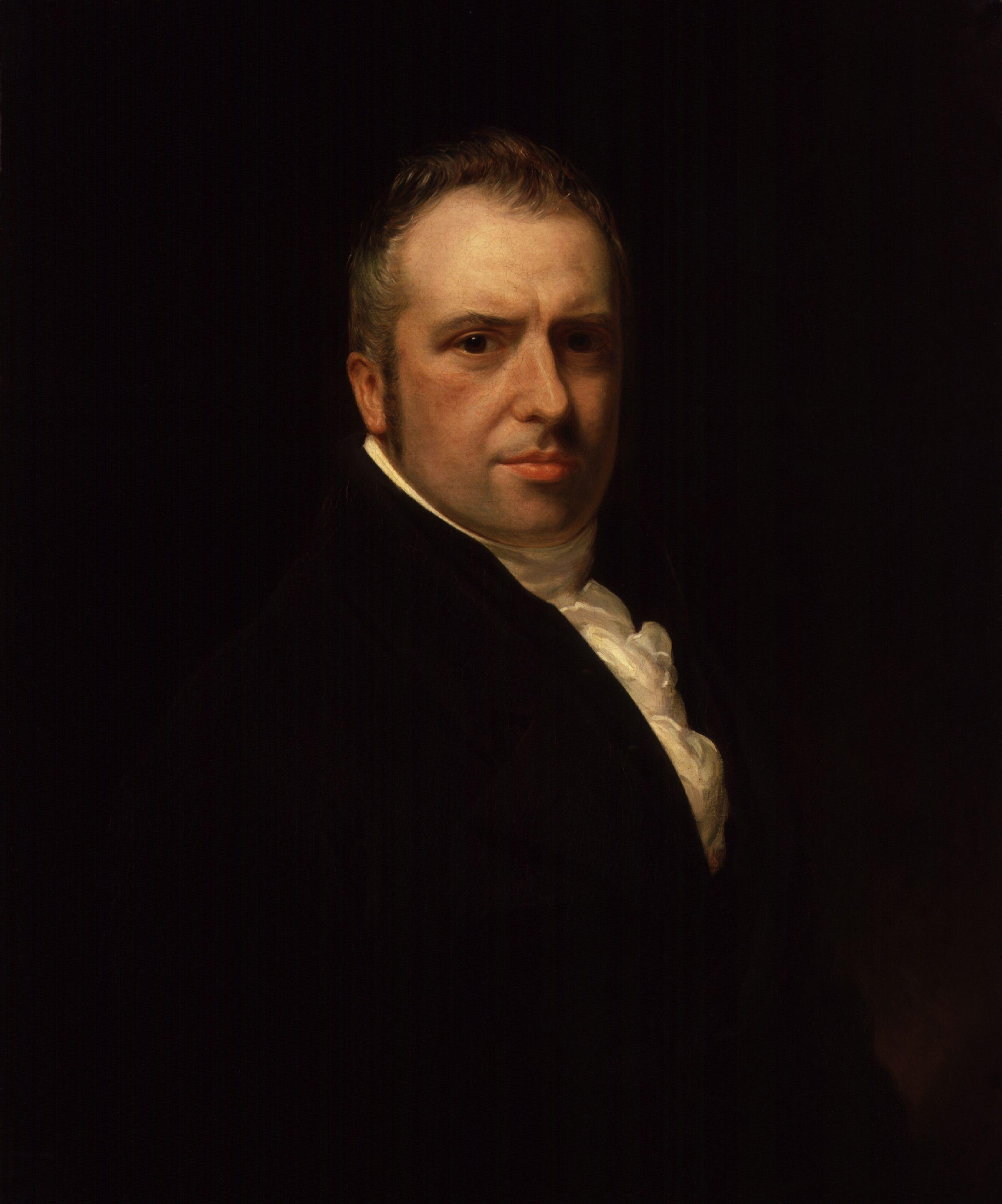
In 1820, a queen returned to England to demand her place beside a husband who had spent decades trying to destroy her. The result was one of the most audacious acts of political satire in English history. William Hone's illustrated masterpiece takes the form of a literal ladder with fourteen steps, each paired with verse and woodcut, climbing from the royal marriage's hopeful beginning through betrayal, exile, and public humiliation to its devastating conclusion. The queen in question is Caroline of Brunswick, married to the future George IV, a man who called her 'not a human being' and sought to divorce her. When she arrived at Britain's shores, the people rallied behind her with unprecedented fervor. Hone, already famous for his radical political pamphlets and surviving three prosecutions for blasphemy, transformed her legal battle into this 'National Toy' - a deliberately playful format that makes its vicious critique all the more daring. The verses are sharp, the woodcuts unflattering, and the commentary on the press's role in defending the powerless against royal tyranny remains startlingly relevant. This is not mere historical curiosity: it is a howl of righteous anger dressed in Regency humor.
Editions
X-Ray
“The gods of Greece, once tragically wounded to death in the chained Prometheus of Æschylus, were fated to die a comic death in Lucian's dialogues””
— William Hone
“We were restored, in the first place, because other nations dared to make a revolution, and, in the second place, because other nations suffered a counter revolution: in the first place, because our masters were afraid, and, in the second place, because they regained their courage.””
— William Hone
“The real pressure must be made more oppressive by making men conscious of the pressure, and the disgrace more disgraceful by publishing it.””
— William Hone
“Criticism has already settled all accounts with this subject. It no longer figures as an end in itself, but only as a means. Its essential pathos is indignation, its essential work is denunciation.””
— William Hone
“The head of this emancipation is philosophy; its heart is the proletariat. Philosophy cannot be realized without the abolition of the proletariat, the proletariat cannot abolish itself without realizing philosophy.””
— William Hone
“Theory becomes realized among a people only in so far as it represents the realization of that people's needs.””
— William Hone
“History is thorough, and passes through many phases when it bears an old figure to the grave. The last phase of a world historical figure is its comedy.””
— William Hone
“In the so-called Christian State it is true that alienation counts, but not the individual. The only individual who counts, the king, is a being specially distinguished from other individuals, who is also religious and directly connected with heaven, with God. The relations which here prevail are still relations of faith. The religious spirit is therefore not yet really secularized.””
— William Hone
“If the State is to have reality as the ethical, self-conscious realization of spirit, it must be distinguished from the form of authority and faith. But this distinction arises only in so far as the ecclesiastical side is in itself divided into several churches. Then only is the State seen to be superior to them, and wins and brings into existence the universality of thought as the principle of its form.””
— William Hone
Link to this book
Add a free, dofollow link to Lex on your blog, forum, syllabus, or reading list.

<a href="https://lex-books.com/book/the-queen-s-matrimonial-ladder-a-national-toy-with-fourteen-step-scenes-and-illu-5c9df262-04da-4b00-9fe4-1defed6426f2"><img src="https://lex-books.com/badges/read-on-lex.svg" alt="Read The Queen's Matrimonial Ladder: A National Toy, with Fourteen Step Scenes; and Illustrations in Verse, with Eighteen Other Cuts by William Hone free on Lex" width="160" height="40"></a>[](https://lex-books.com/book/the-queen-s-matrimonial-ladder-a-national-toy-with-fourteen-step-scenes-and-illu-5c9df262-04da-4b00-9fe4-1defed6426f2)[url=https://lex-books.com/book/the-queen-s-matrimonial-ladder-a-national-toy-with-fourteen-step-scenes-and-illu-5c9df262-04da-4b00-9fe4-1defed6426f2][img]https://lex-books.com/badges/read-on-lex.svg[/img][/url]Read The Queen's Matrimonial Ladder: A National Toy, with Fourteen Step Scenes; and Illustrations in Verse, with Eighteen Other Cuts by William Hone free on Lex: https://lex-books.com/book/the-queen-s-matrimonial-ladder-a-national-toy-with-fourteen-step-scenes-and-illu-5c9df262-04da-4b00-9fe4-1defed6426f2Cite this book
Reading this edition for a paper or guide? Copy a citation.
Hone, William. The Queen's Matrimonial Ladder: A National Toy, with Fourteen Step Scenes; and Illustrations in Verse, with Eighteen Other Cuts. Lex, lex-books.com/book/the-queen-s-matrimonial-ladder-a-national-toy-with-fourteen-step-scenes-and-illu-5c9df262-04da-4b00-9fe4-1defed6426f2.Hone, W. (1820). The Queen's Matrimonial Ladder: A National Toy, with Fourteen Step Scenes; and Illustrations in Verse, with Eighteen Other Cuts. Lex. https://lex-books.com/book/the-queen-s-matrimonial-ladder-a-national-toy-with-fourteen-step-scenes-and-illu-5c9df262-04da-4b00-9fe4-1defed6426f2Hone, William. The Queen's Matrimonial Ladder: A National Toy, with Fourteen Step Scenes; and Illustrations in Verse, with Eighteen Other Cuts. Lex. https://lex-books.com/book/the-queen-s-matrimonial-ladder-a-national-toy-with-fourteen-step-scenes-and-illu-5c9df262-04da-4b00-9fe4-1defed6426f2.