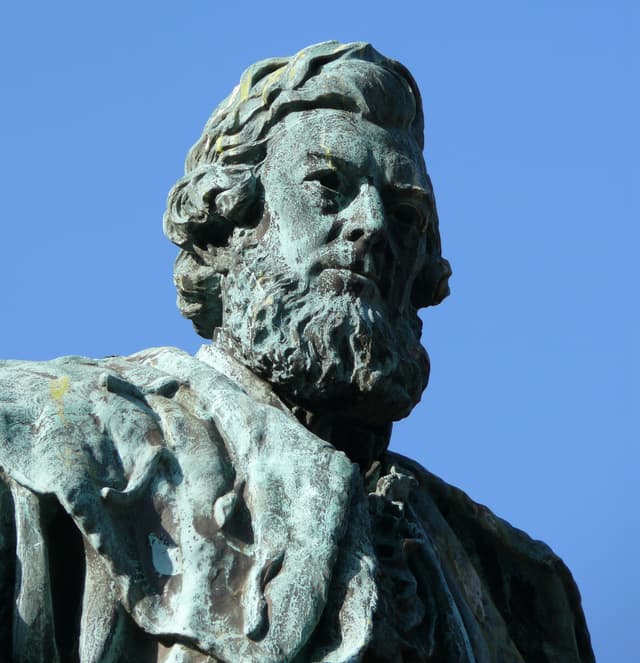
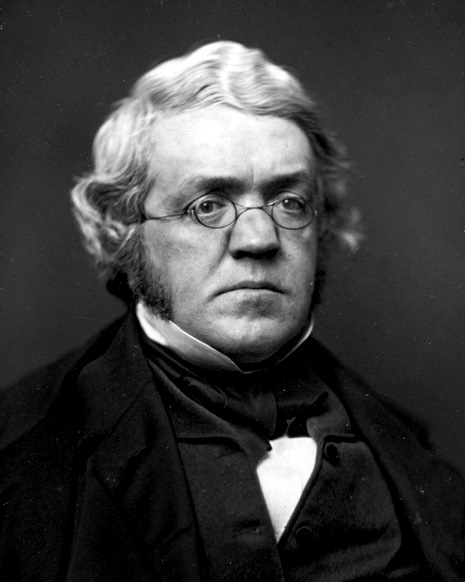
William Chambers
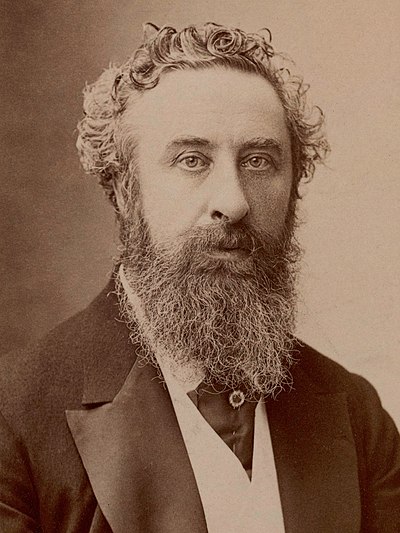
William Chambers was a Scottish publisher and author, best known for his influential works in the 19th century. He founded Chambers's Edinburgh Journal in 1832, which became a significant platform for literature and social commentary. Chambers was also a pioneer in the field of popular science and education, authoring several notable works, including 'Chambers's Information for the People,' a multi-volume encyclopedia that aimed to make knowledge accessible to the general public. His contributions to literature and publishing helped shape the landscape of Victorian-era reading material. Chambers's legacy is marked by his commitment to education and the dissemination of knowledge. He played a crucial role in the popularization of scientific and literary works, making them available to a wider audience. His efforts in publishing and his writings not only reflected the intellectual currents of his time but also influenced future generations of writers and publishers, establishing a model for accessible literature that continues to resonate today.
Famous Quotes
View all 13 quotes“The Prince found Buttercup waiting unhappily outside his chamber doors.It's my letter,' she began. 'I cannot make it right.'Come in, come in,' the Prince said gently. 'Maybe we can help you.' She sat down in the same chair as before. 'All right, I'll close my eyes and listen; read to me.'Westley, my passion, my sweet, my only my own. Come back, come back. I shall kill myself otherwise. Yours in torment, Buttercup.' She looked at Humperdinck. 'Well? Do you think I'm throwing myself at him?””
“Books let us into their souls and lay open to us the secrets of our own."[ (, August 1830)]””
“All the time I think I can never love you more than I already do. And then you do something or say something, and I love you more than ever. Like just now. Like now. How is it possible? Can you love someone more and more and at the same time, all the time, love them as much as it's possible to love someone?””
Books from the author
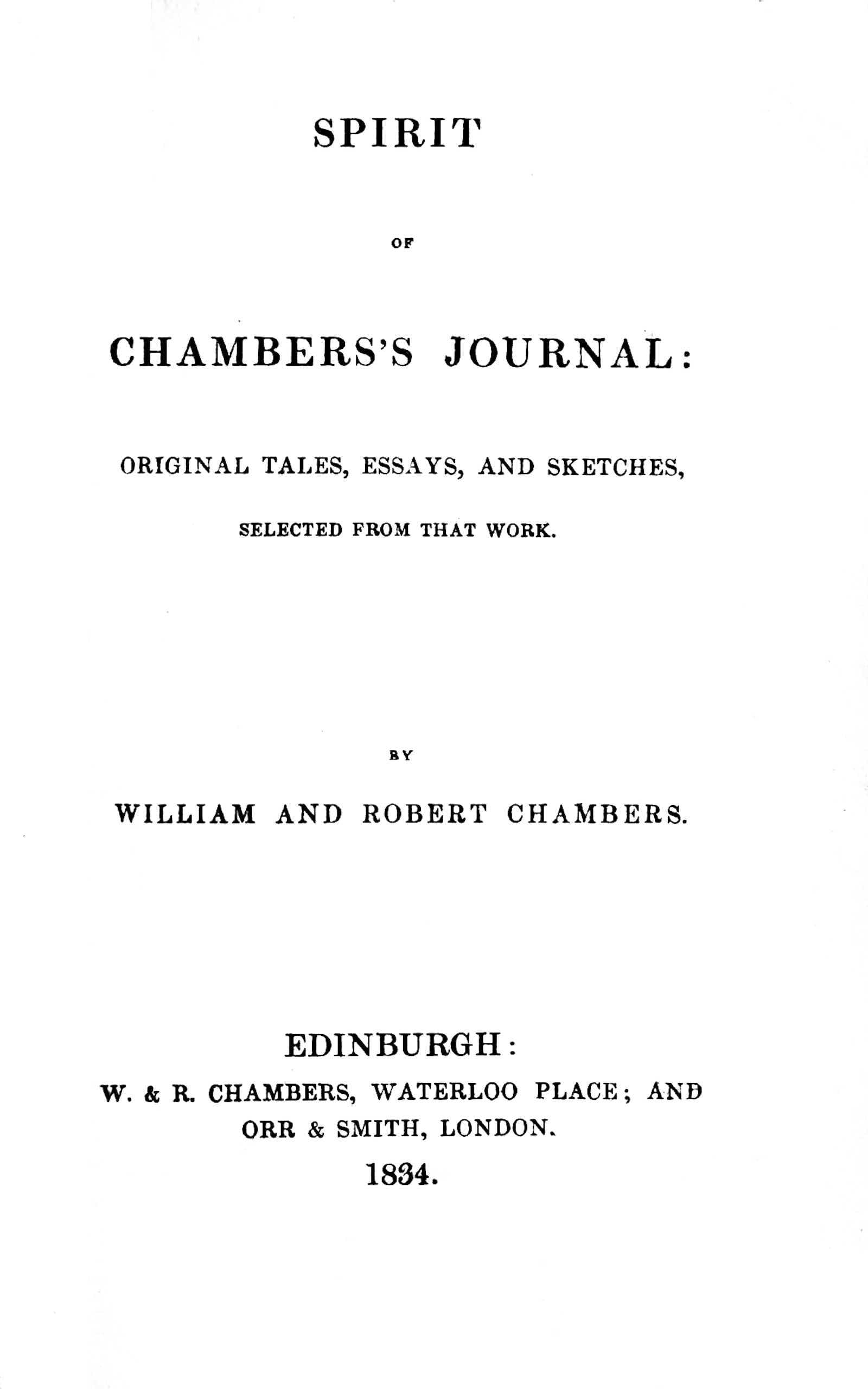



Link to this page
Add a free, dofollow link to Lex on your blog, forum, syllabus, or reading list.

<a href="https://lex-books.com/author/william-chambers"><img src="https://lex-books.com/badges/read-on-lex.svg" alt="William Chambers on Lex" width="160" height="40"></a>[](https://lex-books.com/author/william-chambers)[url=https://lex-books.com/author/william-chambers][img]https://lex-books.com/badges/read-on-lex.svg[/img][/url]William Chambers on Lex: https://lex-books.com/author/william-chambers