The Wound Dresser: A Series of Letters Written from the Hospitals in Washington During the War of the Rebellion
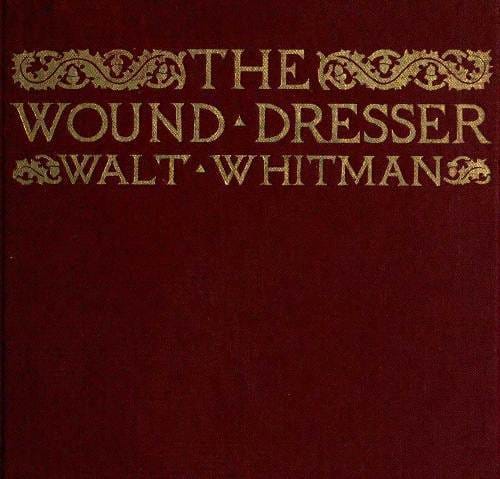
The Wound Dresser: A Series of Letters Written from the Hospitals in Washington During the War of the Rebellion
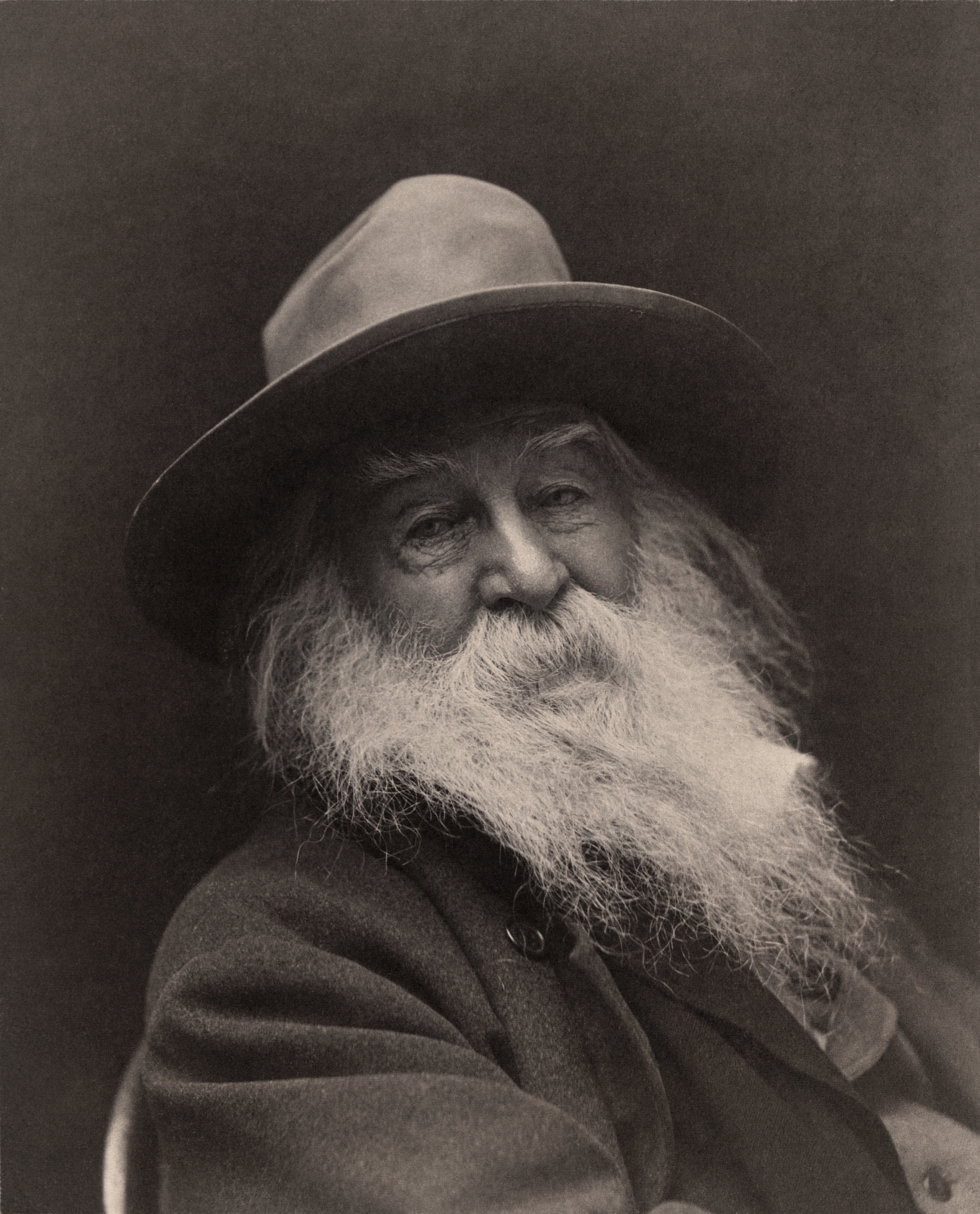
In the smoke-choked hospitals of Civil War Washington, Walt Whitman did what no poet was supposed to do: he got close. This collection of letters, written between 1863 and 1866, finds the bard of American democracy kneeling beside hospital beds, holding the hands of boys dying from wounds no one should have to see. Whitman was not a doctor, not a trained nurse. He was a poet who showed up with tobacco, letters from home, and the stubborn insistence that every suffering soldier deserved a human voice speaking their name. The letters document the staggering scale of casualty, yes, but more piercingly, they capture the intimate moments: a young man's fear, the terrible smell of gangrene, the quiet dignity of soldiers making peace with mortality. Whitman's prose here is stripped of ornamentation, achingly direct. This is Leaves of Grass stripped of its swagger, revealing the tender wreckage underneath. The Wound Dresser endures because it proves something essential about American literature: the deepest patriotism is not triumphalism but the willingness to look at what we've done to each other and not turn away.
Editions

X-Ray
“O to struggle against great odds, to meet enemies undaunted! To be entirely alone with them, to find how much one can stand! To look strife, torture, prison, popular odium, face to face! To mount the scaffold, to advance to the muzzles of guns with perfect nonchalance! To be indeed a God!””
— Walt Whitman
“I exist as I am, that is enough,””
— Walt Whitman
“This is what you shall do: Love the earth and sun and the animals, despise riches, give alms to every one that asks, stand up for the stupid and crazy, devote your income and labor to others, hate tyrants, argue not concerning God, have patience and indulgence toward the people, take off your hat to nothing known or unknown, or to any man or number of men”
— Walt Whitman
“Life breaks into beauty again and we realize that man may bring hell itself into the world, but that Nature ever patiently waits to be his natural paradise.””
— Walt Whitman
“am integral with you, I too am of one phase and of all phases.””
— Walt Whitman
“Has any one supposed it lucky to be born?””
— Walt Whitman
“All truths wait in all things,””
— Walt Whitman
“I hear the sound I love, the sound of the human voice,””
— Walt Whitman
“Seeing, hearing, feeling, are miracles, and each part and tag of me is a miracle.””
— Walt Whitman
Link to this book
Add a free, dofollow link to Lex on your blog, forum, syllabus, or reading list.

<a href="https://lex-books.com/book/the-wound-dresser-a-series-of-letters-written-from-the-hospitals-in-washington-d-1b6cc860-e214-4dda-8e42-e782388aaa0d"><img src="https://lex-books.com/badges/read-on-lex.svg" alt="Read The Wound Dresser: A Series of Letters Written from the Hospitals in Washington During the War of the Rebellion by Walt Whitman free on Lex" width="160" height="40"></a>[](https://lex-books.com/book/the-wound-dresser-a-series-of-letters-written-from-the-hospitals-in-washington-d-1b6cc860-e214-4dda-8e42-e782388aaa0d)[url=https://lex-books.com/book/the-wound-dresser-a-series-of-letters-written-from-the-hospitals-in-washington-d-1b6cc860-e214-4dda-8e42-e782388aaa0d][img]https://lex-books.com/badges/read-on-lex.svg[/img][/url]Read The Wound Dresser: A Series of Letters Written from the Hospitals in Washington During the War of the Rebellion by Walt Whitman free on Lex: https://lex-books.com/book/the-wound-dresser-a-series-of-letters-written-from-the-hospitals-in-washington-d-1b6cc860-e214-4dda-8e42-e782388aaa0dCite this book
Reading this edition for a paper or guide? Copy a citation.
Whitman, Walt. The Wound Dresser: A Series of Letters Written from the Hospitals in Washington During the War of the Rebellion. Lex, lex-books.com/book/the-wound-dresser-a-series-of-letters-written-from-the-hospitals-in-washington-d-1b6cc860-e214-4dda-8e42-e782388aaa0d.Whitman, W. (n.d.). The Wound Dresser: A Series of Letters Written from the Hospitals in Washington During the War of the Rebellion. Lex. https://lex-books.com/book/the-wound-dresser-a-series-of-letters-written-from-the-hospitals-in-washington-d-1b6cc860-e214-4dda-8e42-e782388aaa0dWhitman, Walt. The Wound Dresser: A Series of Letters Written from the Hospitals in Washington During the War of the Rebellion. Lex. https://lex-books.com/book/the-wound-dresser-a-series-of-letters-written-from-the-hospitals-in-washington-d-1b6cc860-e214-4dda-8e42-e782388aaa0d.