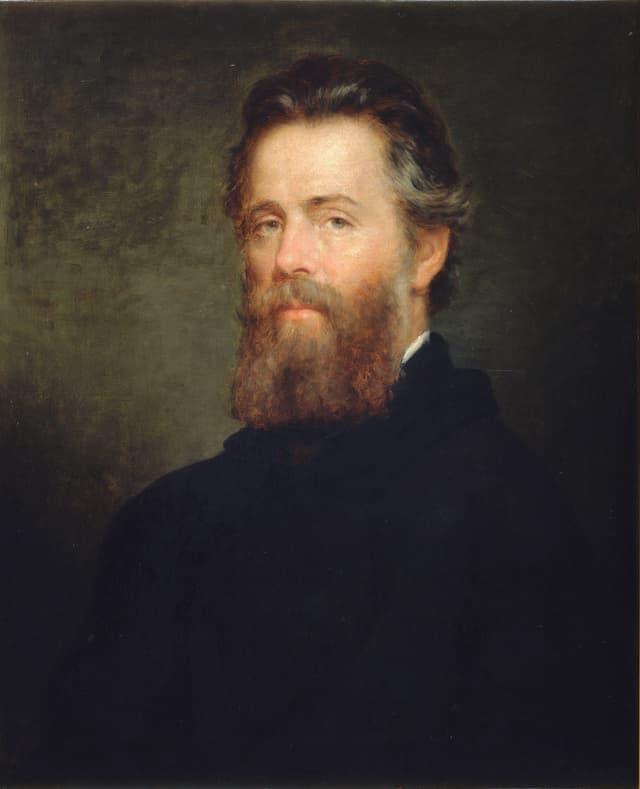
Herman Melville
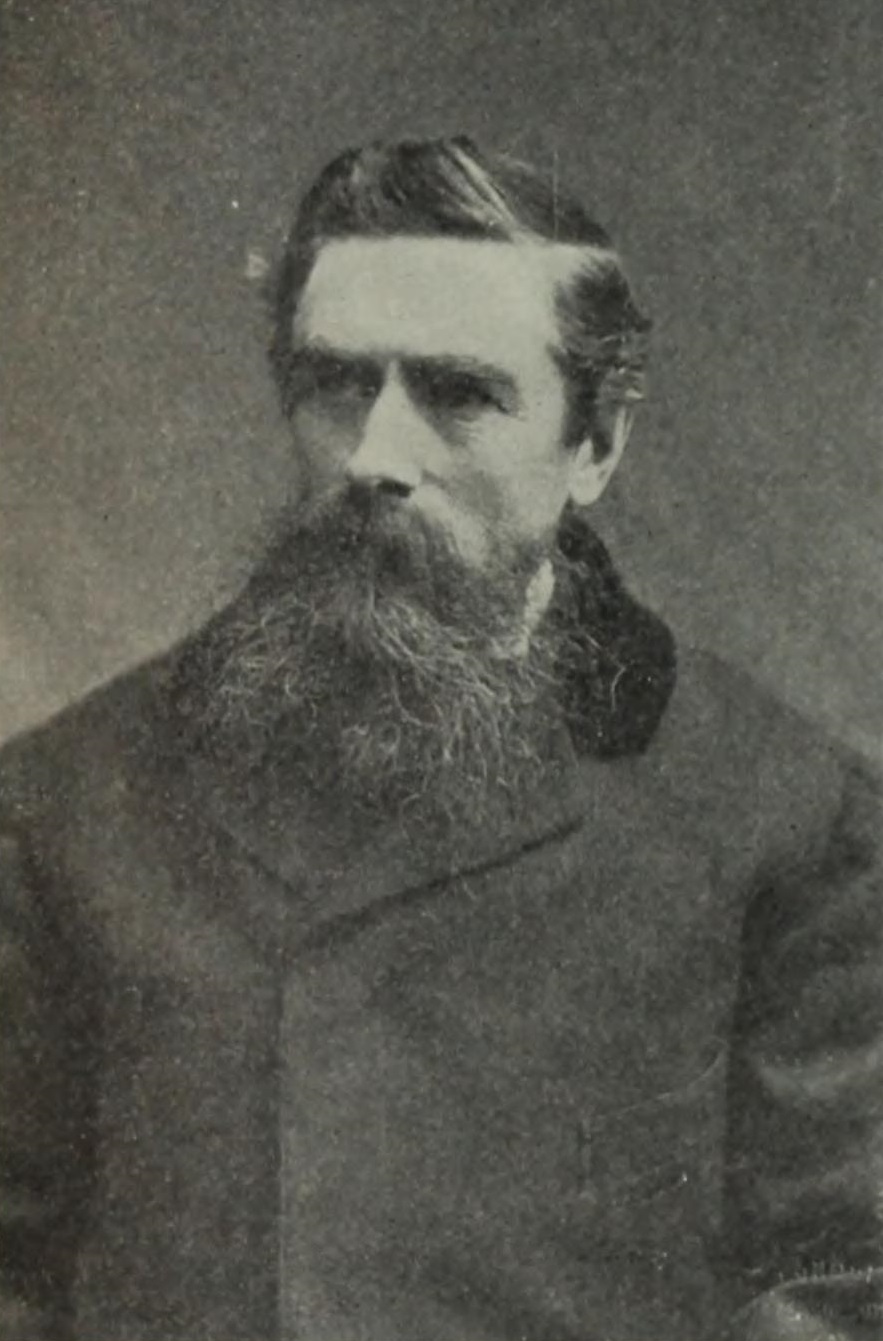
Herman Melville was an influential American novelist, short story writer, and poet, recognized as a key figure of the American Renaissance. Born in New York City, he faced financial hardship after the death of his father and took to the sea in search of adventure and stability. His early experiences in the South Seas inspired his first two books, Typee and Omoo, which garnered attention and allowed him to marry Elizabeth Shaw. However, his later works, including the ambitious Moby-Dick, initially received little acclaim and were often misunderstood by contemporary audiences. Despite a lack of recognition during his lifetime, Melville's literary legacy grew significantly after his death, particularly with the revival of interest in Moby-Dick, now hailed as one of the Great American Novels. His exploration of complex themes such as obsession, morality, and the human condition in works like Billy Budd, Sailor and Pierre: or, The Ambiguities showcased his innovative narrative style and deep psychological insight. Melville's contributions to literature have had a lasting impact, influencing generations of writers and securing his place as a pivotal figure in American literature.
Famous Quotes
View all 20 quotes“It is better to fail in originality than to succeed in imitation.””
“I know not all that may be coming, but be it what it will, I'll go to it laughing.””
“A smile is the chosen vehicle of all ambiguities.””
Books from the author

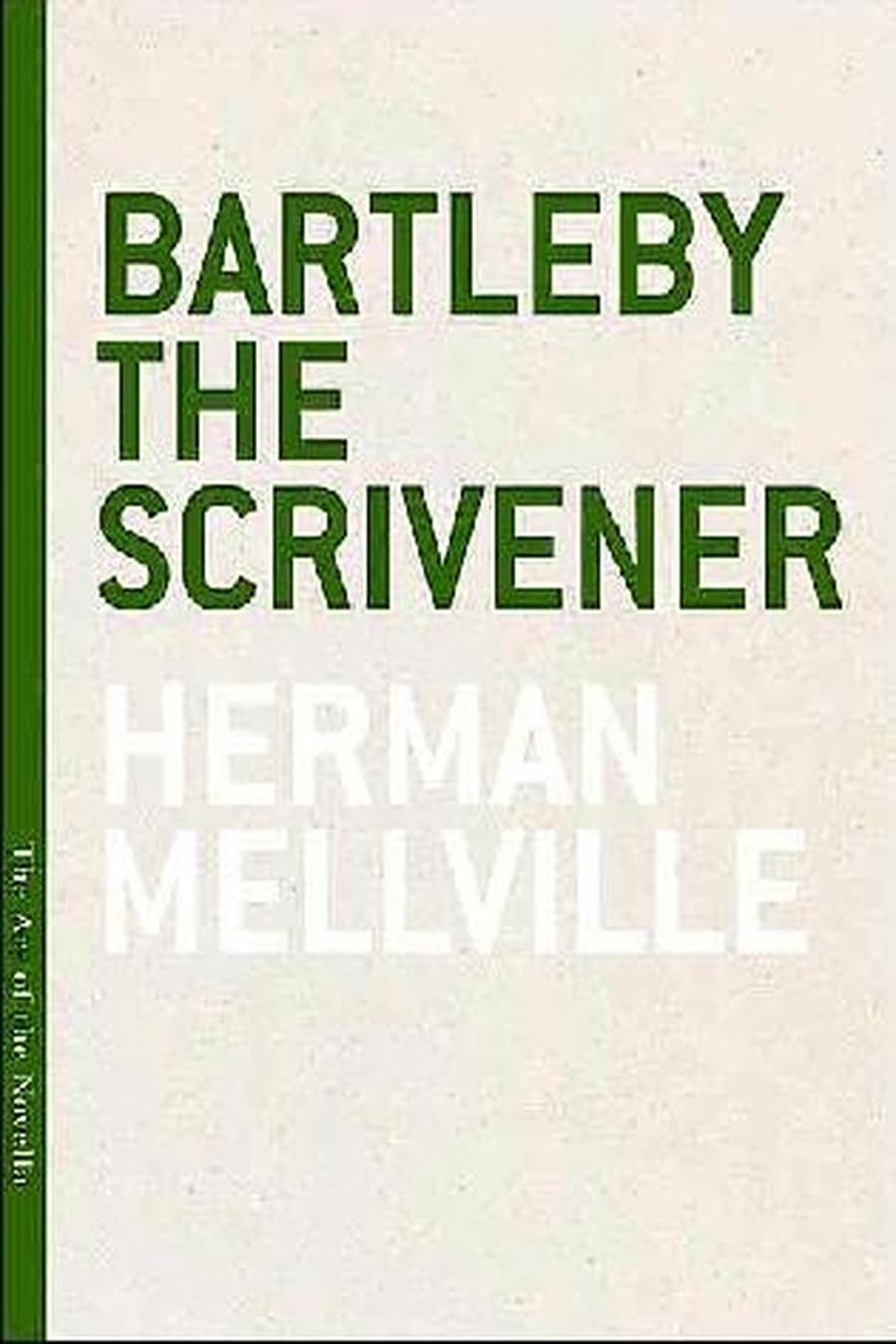
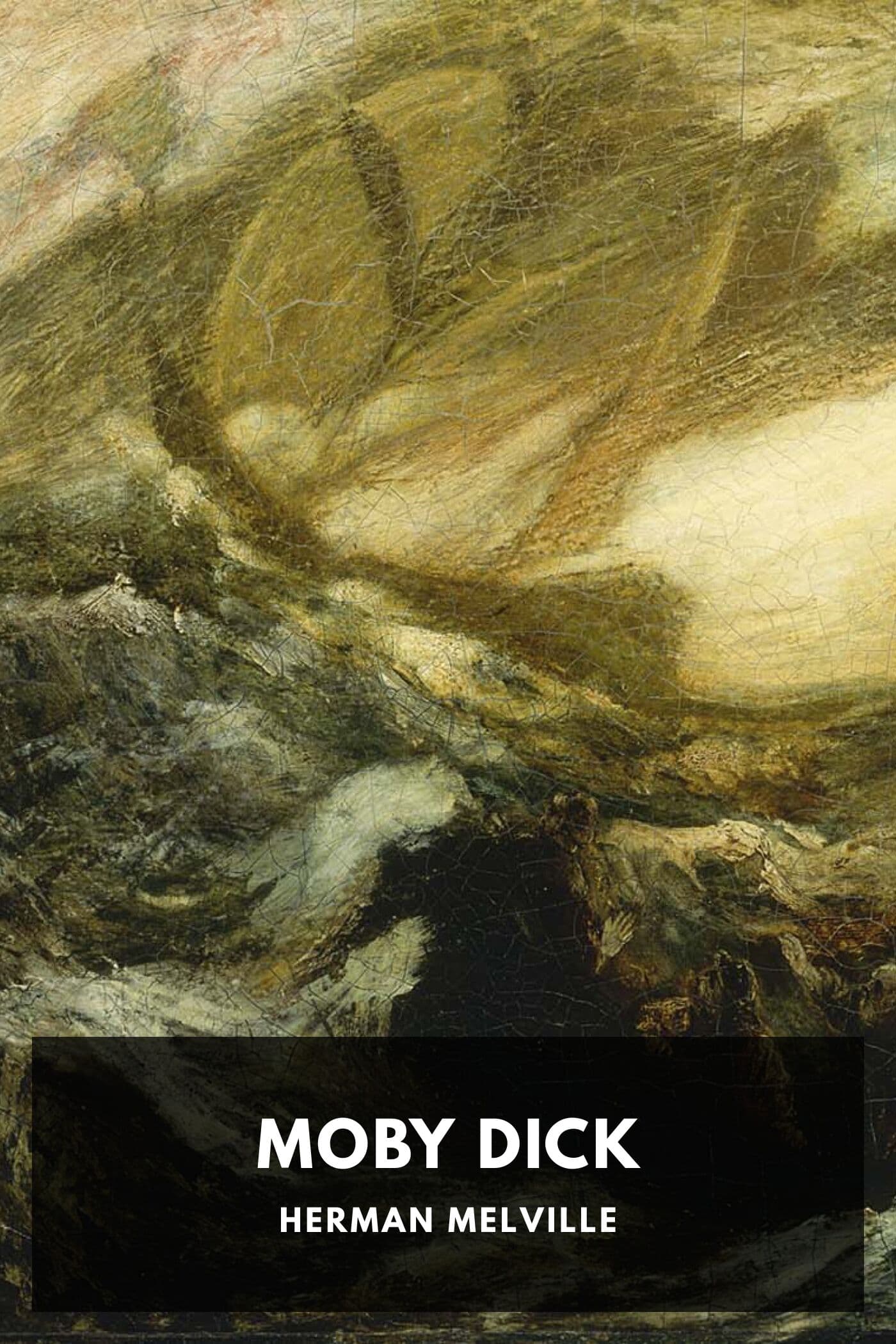







Link to this page
Add a free, dofollow link to Lex on your blog, forum, syllabus, or reading list.

<a href="https://lex-books.com/author/herman-melville"><img src="https://lex-books.com/badges/read-on-lex.svg" alt="Herman Melville on Lex" width="160" height="40"></a>[](https://lex-books.com/author/herman-melville)[url=https://lex-books.com/author/herman-melville][img]https://lex-books.com/badges/read-on-lex.svg[/img][/url]Herman Melville on Lex: https://lex-books.com/author/herman-melville