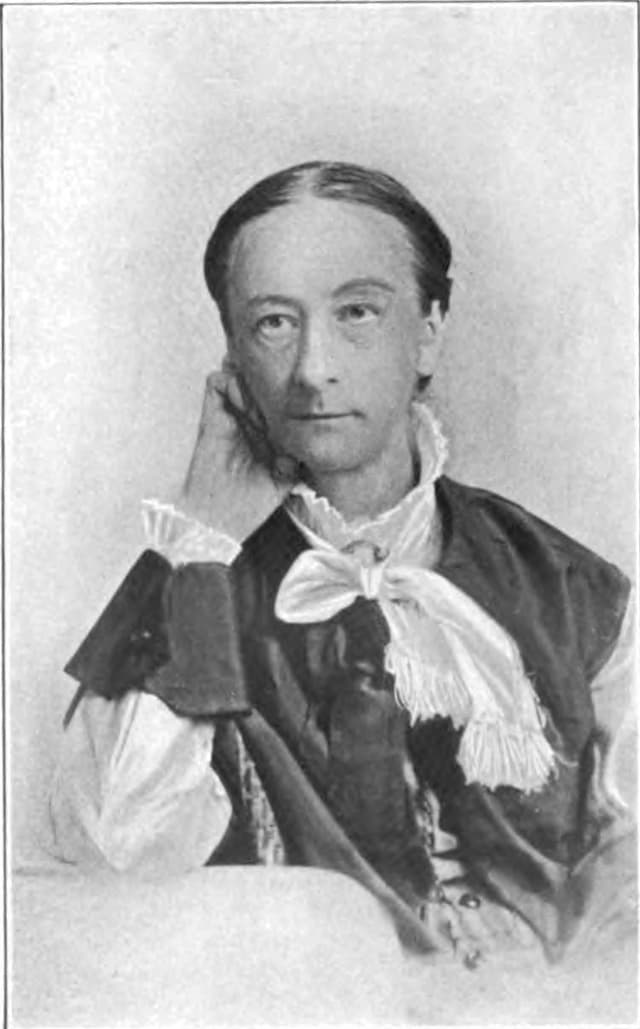
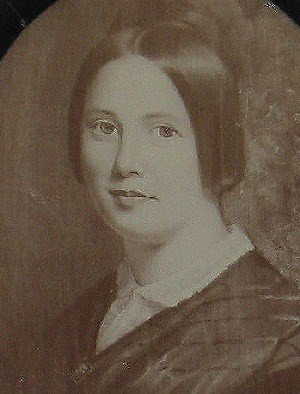
Susan Warner
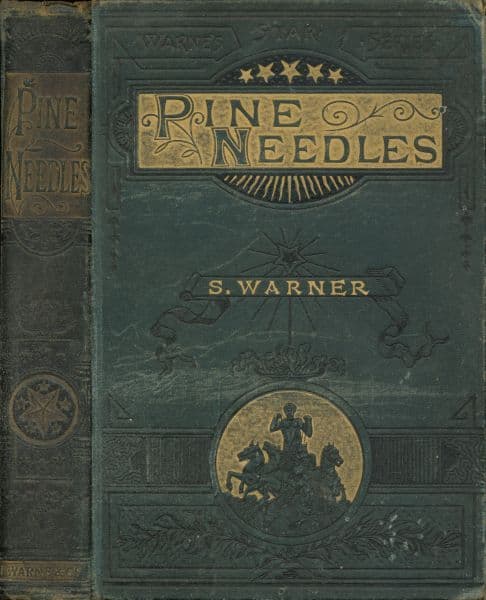
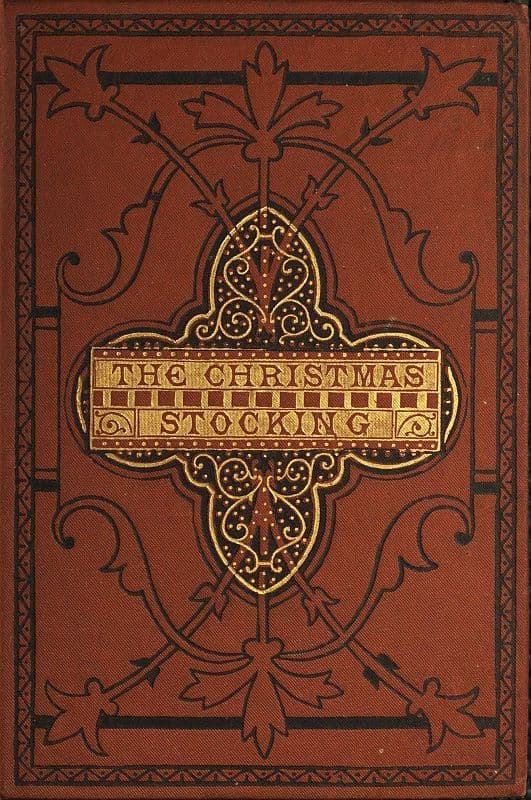
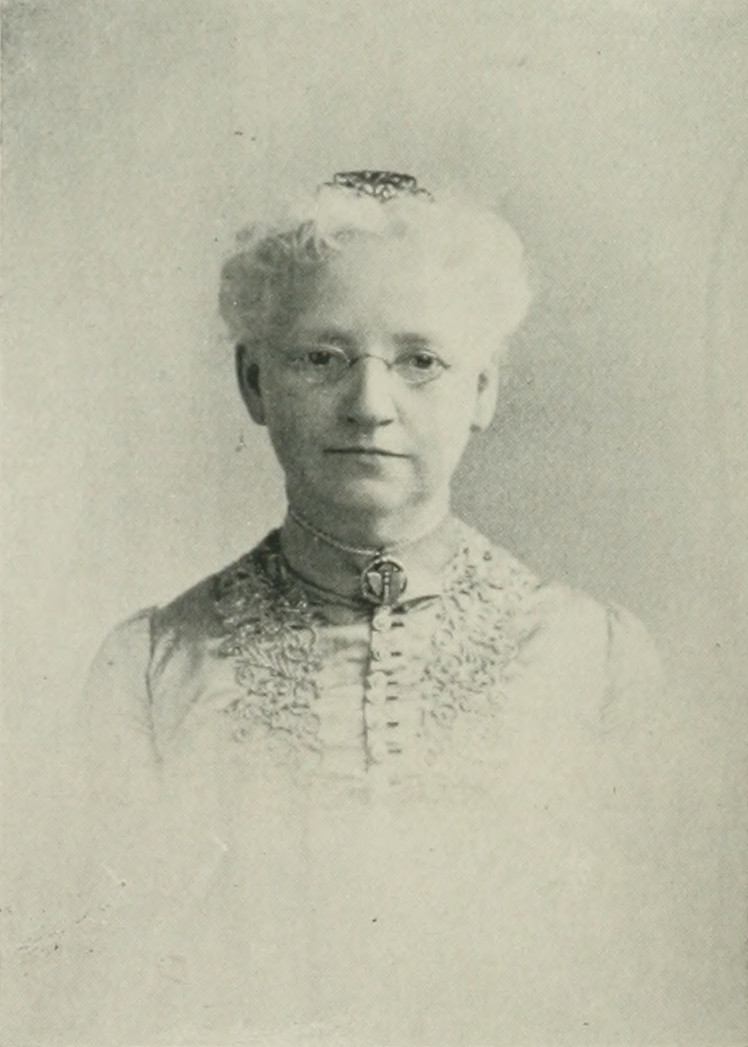
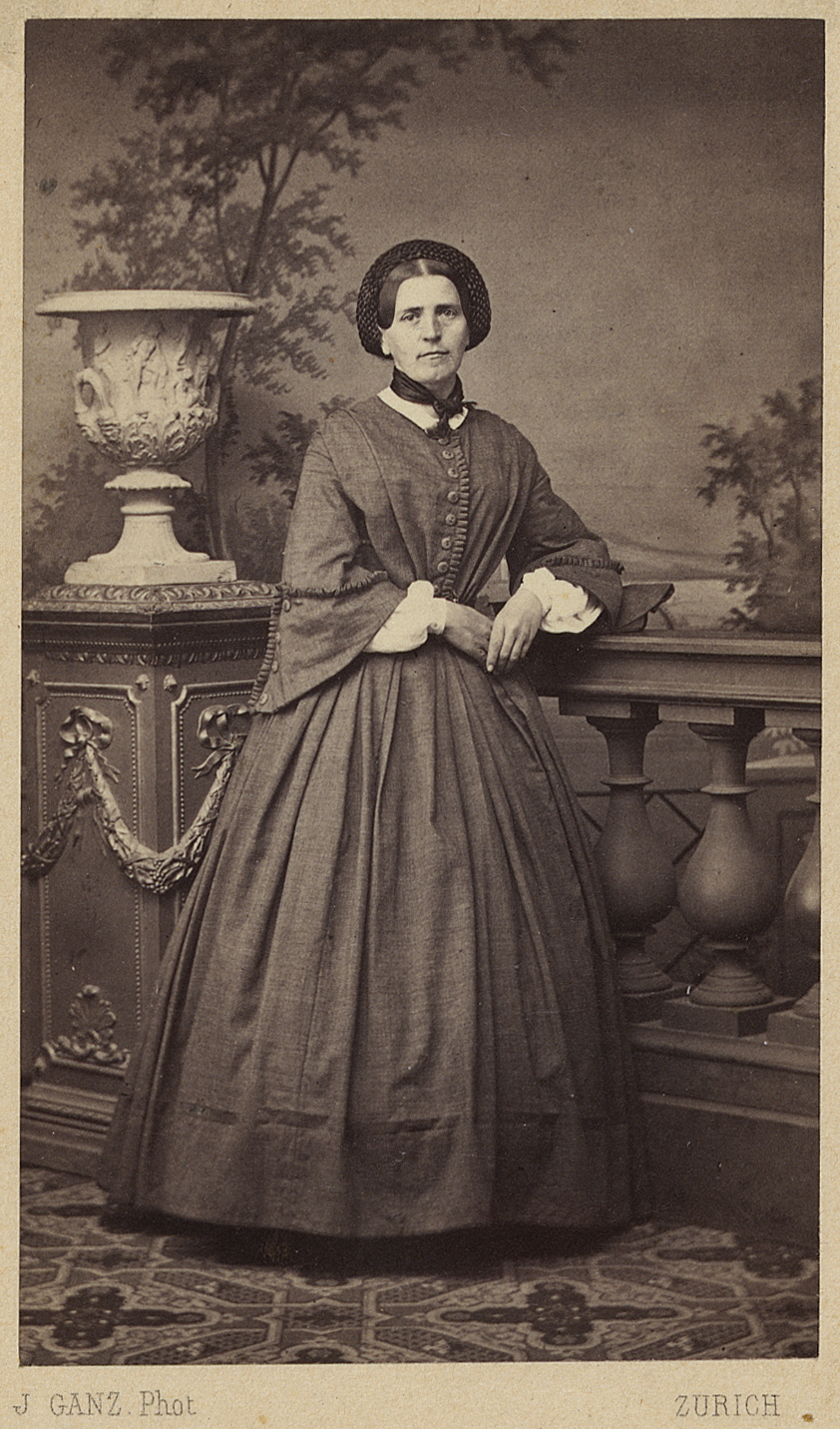
Susan Warner, known by her pen name Elizabeth Wetherell, was an influential American author whose works primarily focused on religious and children's fiction. Born in 1819, she gained widespread recognition with her novel The Wide, Wide World, which became a bestseller and is often credited as one of the first American novels aimed at a young female audience. Warner's writing was characterized by its moral and religious themes, reflecting her Presbyterian beliefs and the societal values of her time. Her ability to weave complex characters and engaging narratives made her stories resonate with readers, particularly in the mid-19th century. In addition to The Wide, Wide World, Warner collaborated with her sister Anna on a series of semi-religious novels that achieved remarkable sales, including Say and Seal and Christmas Stocking. Her other notable works, such as Queechy and The Hills of the Shatemuc, further established her as a significant figure in American literature. Warner's contributions to the genre of religious fiction and her focus on moral instruction in children's literature left a lasting impact, influencing subsequent generations of writers and readers. Her legacy endures as a pioneer in the field, particularly for her role in shaping the landscape of American women's literature during her era.
Famous Quotes
View all 3 quotes“We often build things for our children and find out we're building our own dreams we wish we would have done.”
“The first thing you need to do is be selfish. What do you want to do?” “I want to tell him to come over so we can make this better.”
“I thought it was going to be us against the world. But it turned out to be me staying home and Edward going out to try to conquer the world. Don't get me wrong, it wasn't a bad life, and he was a good man, but we weren’t partners, and I wanted that. Grayson made me feel like we were partners.”
Books from the author


Link to this page
Add a free, dofollow link to Lex on your blog, forum, syllabus, or reading list.

<a href="https://lex-books.com/author/susan-warner"><img src="https://lex-books.com/badges/read-on-lex.svg" alt="Susan Warner on Lex" width="160" height="40"></a>[](https://lex-books.com/author/susan-warner)[url=https://lex-books.com/author/susan-warner][img]https://lex-books.com/badges/read-on-lex.svg[/img][/url]Susan Warner on Lex: https://lex-books.com/author/susan-warner