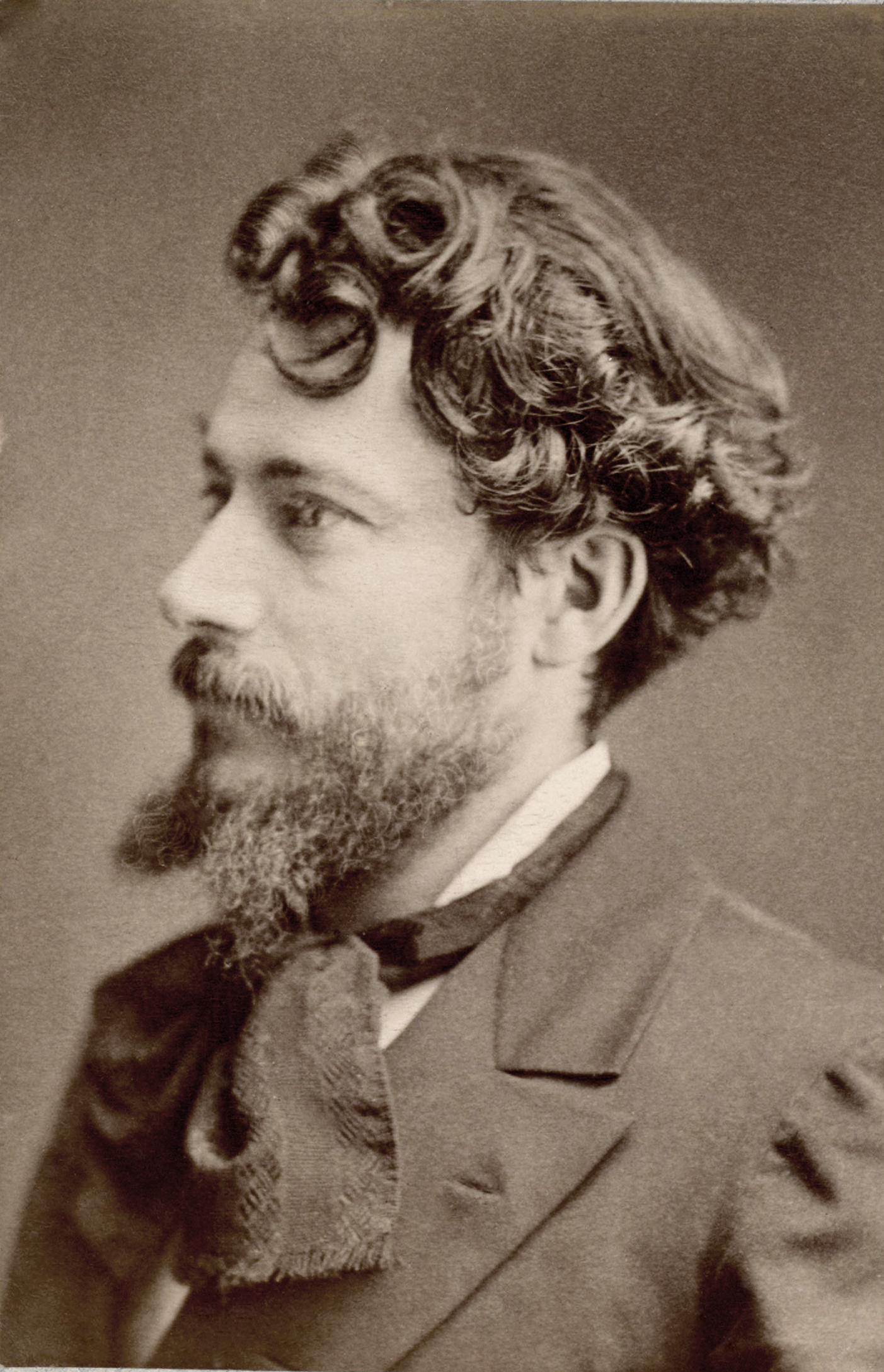
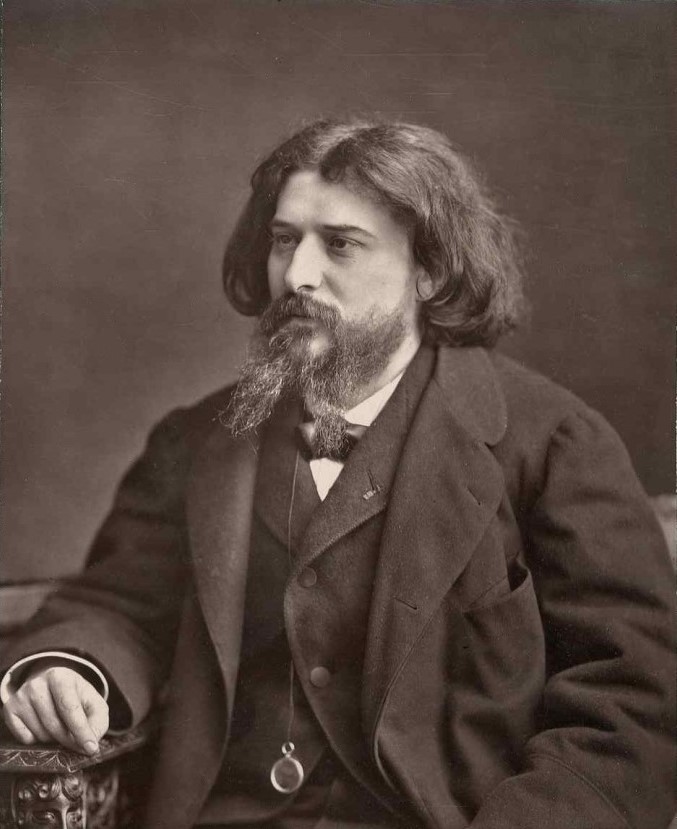
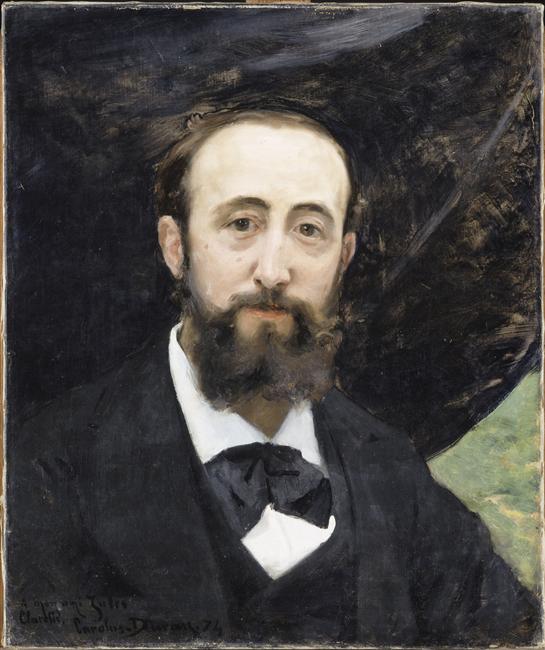
Tristan Corbière
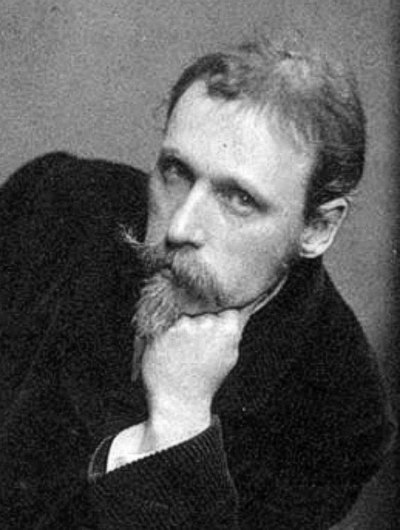
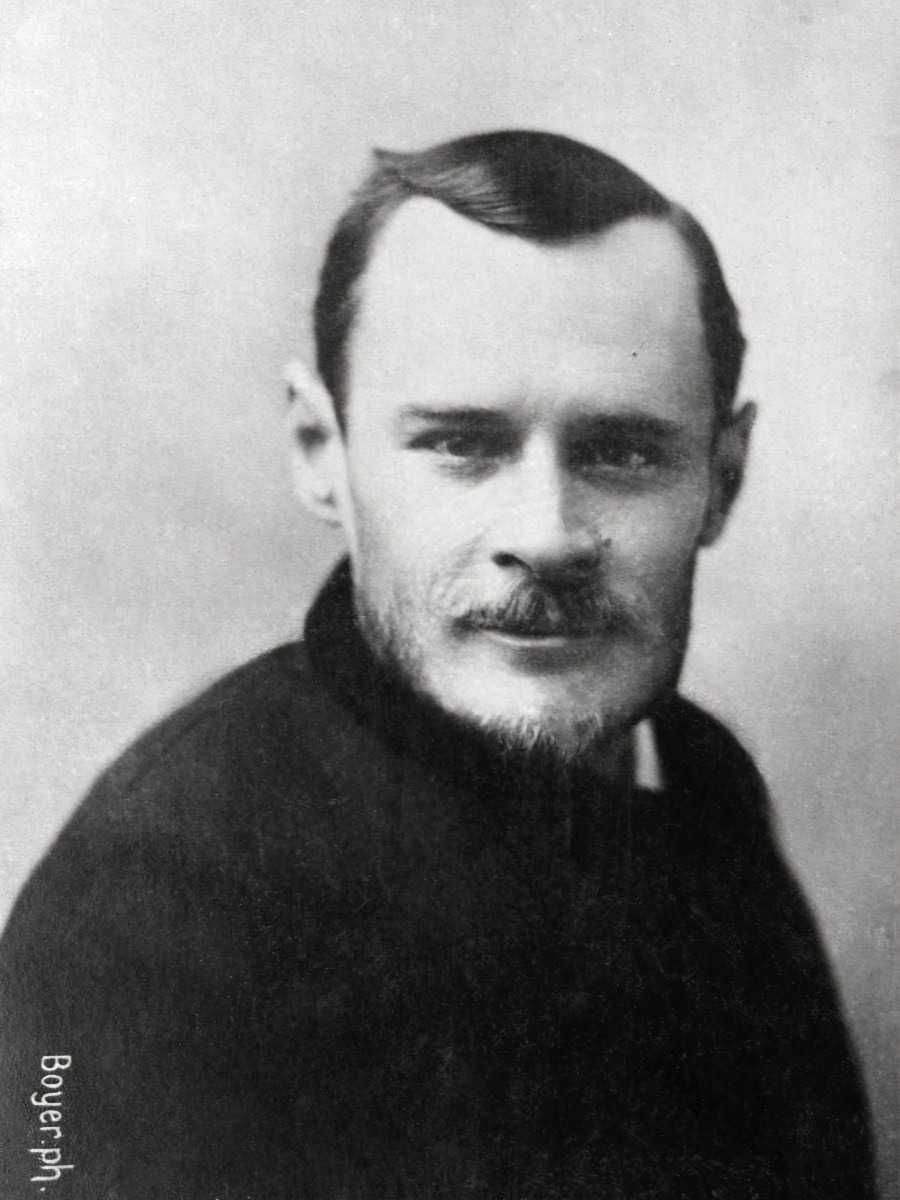
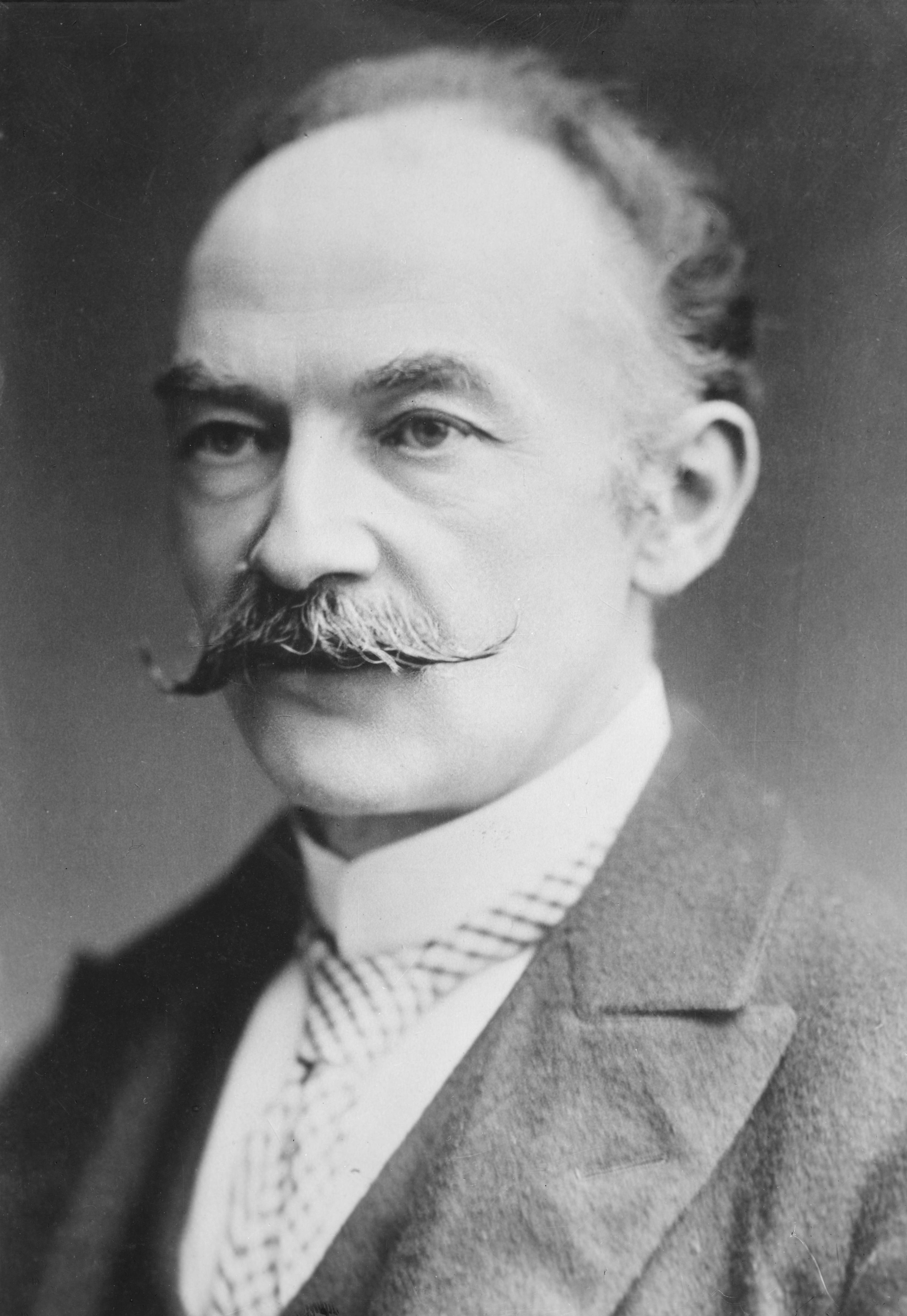
Tristan Corbière was a French poet known for his innovative and often melancholic verse that captured the complexities of human emotion and existence. Born in Brittany, Corbière's life was marked by a struggle against illness and a sense of alienation, themes that permeated his work. His most notable collection, 'Les Amours Jaunes,' published in 1873, is celebrated for its unique style and exploration of love, loss, and the passage of time. The collection reflects Corbière's distinctive voice and his ability to blend personal experience with broader existential themes, making him a precursor to the Symbolist movement in French literature. Despite his short life, Corbière's influence on later poets is significant. His work is characterized by a deep introspection and a vivid use of imagery, which paved the way for future generations of writers. Although he was not widely recognized during his lifetime, his poetry has garnered appreciation posthumously, establishing him as an important figure in 19th-century French literature. Corbière's legacy endures through his contributions to the evolution of modern poetry, particularly in his ability to convey the nuances of human emotion and the complexities of love.
Famous Quotes
View all 3 quotes“বিপরীত কবিআরমোরিকার সাগরতীরে । একটি নির্জন মঠ ।ভেতরে : বাতাস অভিযোগ করছিল : আরেকটা হাওয়াকল ।এলাকার সমস্ত গাধা বীজসুদ্ধ আইভিলতায় তাদের দাঁত ঘষতে এসেছিলফুটোয় ভরা এমনই এক দেয়াল থেকে যা কোনও জীবন্ত মানুষদরোজার ভেতর দিয়ে ঢোকেনি।একা--- তবু নিজের পায়ে দাঁড়িয়ে, ভরসাম্য বজায় রেখে,একজন বুড়ির থুতনির মতন ঢেউখালানোতার ছাদ কানের পাশে চোট দিয়েছিল,হাবাগবা মানুযের মতন হাঁ করে, মিনারটা দাঁড়িয়েছিল ।””