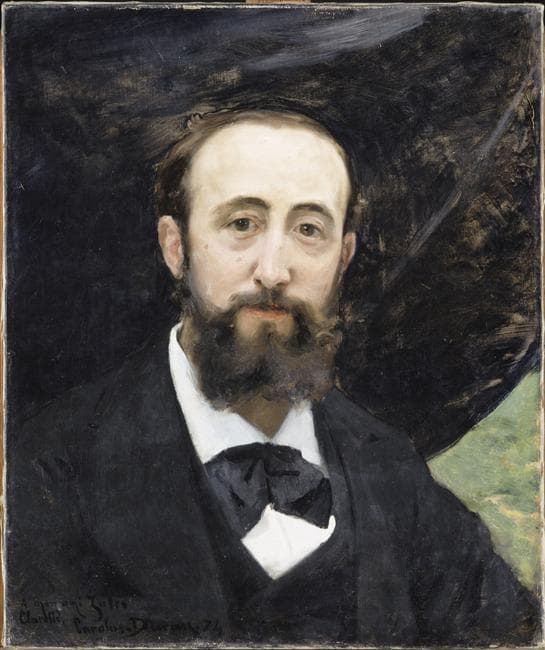
Jules Claretie
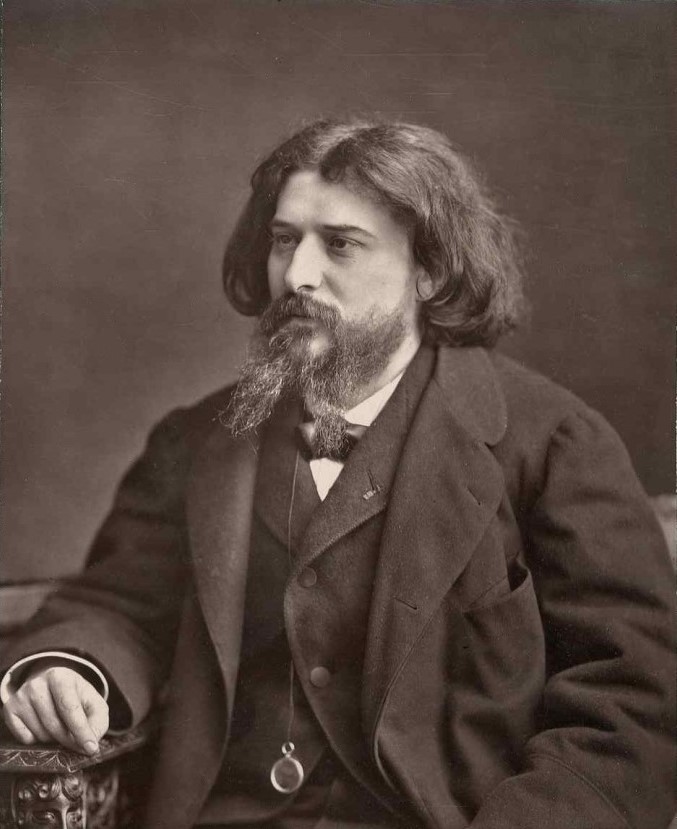
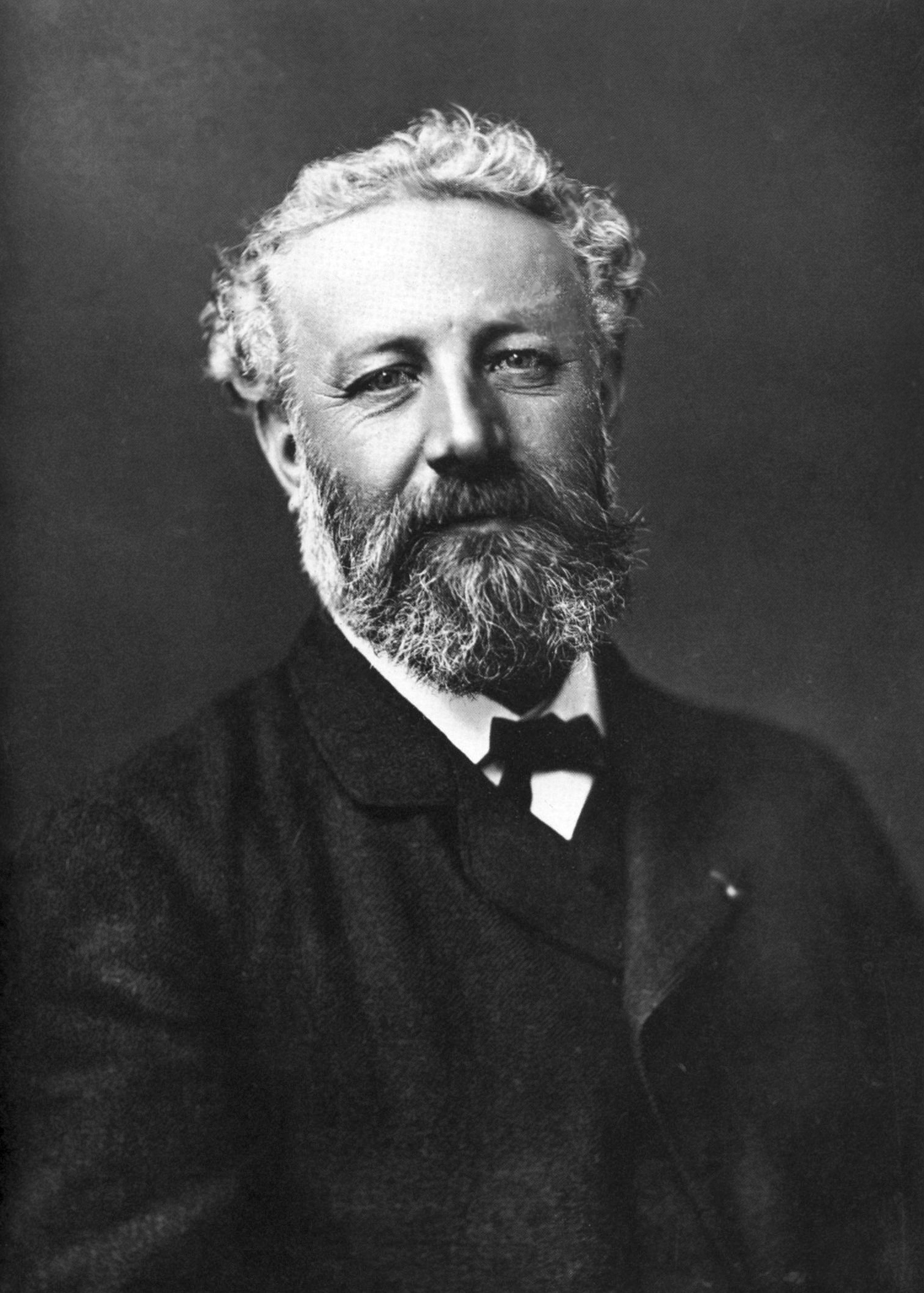
Jules Claretie was a prominent French novelist, playwright, and literary figure known for his contributions to the theatrical and literary landscape of France in the late 19th and early 20th centuries. Born in 1840, Claretie began his career as a journalist before transitioning to fiction, where he gained recognition for his novels that often explored themes of social dynamics and human relationships. His notable works include 'Le Chevalier de Maison-Rouge' and 'La Femme de Claude', which showcased his ability to blend historical narrative with psychological insight, reflecting the complexities of his characters' lives. In addition to his literary accomplishments, Claretie served as the director of the Théâtre Français, where he played a crucial role in shaping French drama during a transformative period in the arts. His influence extended beyond his own writings, as he was instrumental in promoting the works of other playwrights and fostering a vibrant theatrical culture. Claretie's legacy is marked by his dedication to both literature and theater, making him a significant figure in the evolution of French literature and drama, as well as a key player in the cultural movements of his time.
Famous Quotes
View all 1 quotes“Tout homme qui dirige, qui fait quelque chose, a contre lui ceux qui voudraient faire la même chose, ceux qui font précisément le contraire et surtout la grande armée des gens, d'autant plus sévères, qu'ils ne font rien du tout.”
Books from the author



Link to this page
Add a free, dofollow link to Lex on your blog, forum, syllabus, or reading list.

<a href="https://lex-books.com/author/jules-claretie"><img src="https://lex-books.com/badges/read-on-lex.svg" alt="Jules Claretie on Lex" width="160" height="40"></a>[](https://lex-books.com/author/jules-claretie)[url=https://lex-books.com/author/jules-claretie][img]https://lex-books.com/badges/read-on-lex.svg[/img][/url]Jules Claretie on Lex: https://lex-books.com/author/jules-claretie