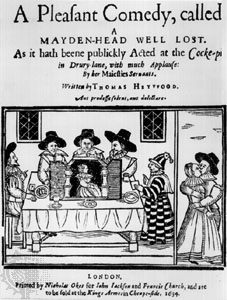
Thomas Heywood
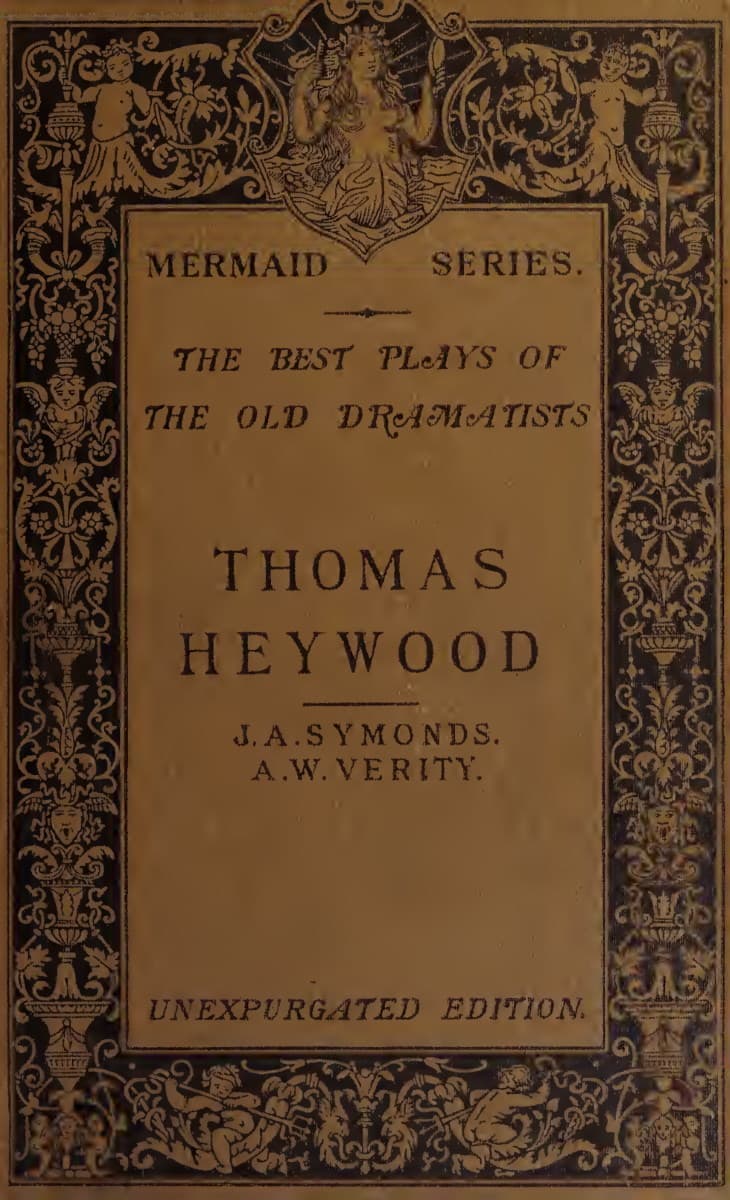
Thomas Heywood was an influential English playwright and actor who made significant contributions to the late Elizabethan and early Jacobean theatre. He is best remembered for his domestic tragedy, A Woman Killed with Kindness, first performed in 1603 at the Rose Theatre. This work is notable for its exploration of themes such as love, betrayal, and the complexities of human relationships, marking a departure from the grandiose tragedies of the time and offering a more intimate portrayal of domestic life. Heywood was a prolific writer, boasting that he had a substantial role in the creation of around two hundred and twenty plays, although only a small portion of his work has survived. His versatility as a playwright encompassed various genres, including comedies, histories, and tragedies, reflecting the diverse tastes of the theatre-going public of his era. His contributions to the stage not only enriched the theatrical landscape of his time but also laid the groundwork for future generations of playwrights, solidifying his legacy as a key figure in the development of English drama.
Famous Quotes
View all 2 quotes“Oh God, Oh God! that it were possibleTo undo things done; to call back yesterday!That time could turn up her swift and sandy glass,To untell days, and to redeem these hours.””
“Our English tongue, which hath been the most harsh, uneven, and broken language of the world, part Dutch, part Irish, Saxon, Scotch, Welsh, and indeed a gallimaufry of many, but perfect in none, is now by this secondary means of playing, continually refined, every writer striving in himself to add a new flourish unto it; so that in process, from the most rude and unpolished tongue, it is grown to a most perfect and composed language, and many excellent works and elaborate poems writ in the same, that many nations grow enamored of our tongue (before despised).””
Books from the author

Link to this page
Add a free, dofollow link to Lex on your blog, forum, syllabus, or reading list.

<a href="https://lex-books.com/author/thomas-heywood"><img src="https://lex-books.com/badges/read-on-lex.svg" alt="Thomas Heywood on Lex" width="160" height="40"></a>[](https://lex-books.com/author/thomas-heywood)[url=https://lex-books.com/author/thomas-heywood][img]https://lex-books.com/badges/read-on-lex.svg[/img][/url]Thomas Heywood on Lex: https://lex-books.com/author/thomas-heywood