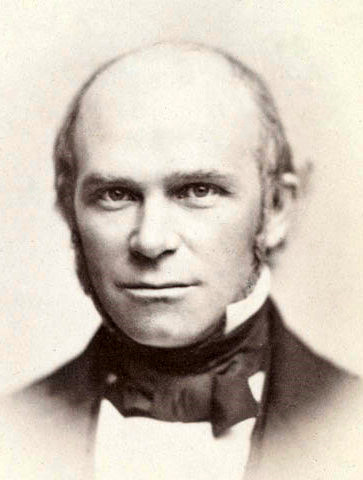
The Trial of Theodore Parker: For the "Misdemeanor" of a Speech in Faneuil Hall Against Kidnapping, Before the Circuit Court of the United States, at Boston, April 3, 1855, with the Defence
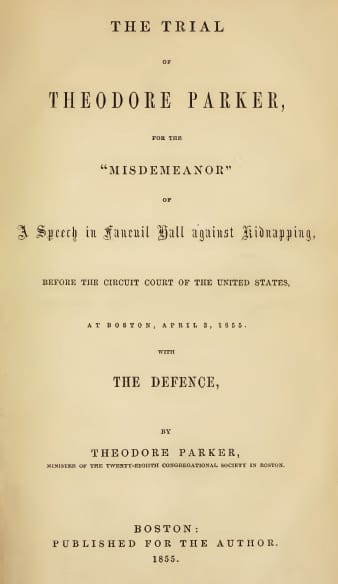
The Trial of Theodore Parker: For the "Misdemeanor" of a Speech in Faneuil Hall Against Kidnapping, Before the Circuit Court of the United States, at Boston, April 3, 1855, with the Defence
This is the transcript of a trial that should never have happened. In 1855, Theodore Parkera Unitarian minister and one of America's most vocal abolitionistswas indicted by a federal grand jury for the crime of speaking. His offense: delivering a speech at Boston's Faneuil Hall denouncing the Fugitive Slave Act, which had made it a crime to help escaped slaves and effectively legalized kidnapping. What follows is Parker's own defense, a devastating argument that transforms from legal argument into moral reckoning. He contends that unjust laws possess no true authority, that conscience supersedes statute, and that those who enforce slave-catching are the real criminals. The trial captures a nation hurtling toward dissolution, where a man could be prosecuted for calling kidnapping what it is. Parker's words resonate far beyond their moment: this is essential reading for anyone grappling with the eternal question of when citizens must refuse to obey.
Editions
Link to this book
Add a free, dofollow link to Lex on your blog, forum, syllabus, or reading list.

<a href="https://lex-books.com/book/the-trial-of-theodore-parker-for-the-misdemeanor-of-a-speech-in-faneuil-hall-aga-28e96a12-9917-4e96-99d0-186317e2d149"><img src="https://lex-books.com/badges/read-on-lex.svg" alt="Read The Trial of Theodore Parker: For the "Misdemeanor" of a Speech in Faneuil Hall Against Kidnapping, Before the Circuit Court of the United States, at Boston, April 3, 1855, with the Defence by Theodore Parker free on Lex" width="160" height="40"></a>[](https://lex-books.com/book/the-trial-of-theodore-parker-for-the-misdemeanor-of-a-speech-in-faneuil-hall-aga-28e96a12-9917-4e96-99d0-186317e2d149)[url=https://lex-books.com/book/the-trial-of-theodore-parker-for-the-misdemeanor-of-a-speech-in-faneuil-hall-aga-28e96a12-9917-4e96-99d0-186317e2d149][img]https://lex-books.com/badges/read-on-lex.svg[/img][/url]Read The Trial of Theodore Parker: For the "Misdemeanor" of a Speech in Faneuil Hall Against Kidnapping, Before the Circuit Court of the United States, at Boston, April 3, 1855, with the Defence by Theodore Parker free on Lex: https://lex-books.com/book/the-trial-of-theodore-parker-for-the-misdemeanor-of-a-speech-in-faneuil-hall-aga-28e96a12-9917-4e96-99d0-186317e2d149Cite this book
Reading this edition for a paper or guide? Copy a citation.
Parker, Theodore. The Trial of Theodore Parker: For the "Misdemeanor" of a Speech in Faneuil Hall Against Kidnapping, Before the Circuit Court of the United States, at Boston, April 3, 1855, with the Defence. Lex, lex-books.com/book/the-trial-of-theodore-parker-for-the-misdemeanor-of-a-speech-in-faneuil-hall-aga-28e96a12-9917-4e96-99d0-186317e2d149.Parker, T. (n.d.). The Trial of Theodore Parker: For the "Misdemeanor" of a Speech in Faneuil Hall Against Kidnapping, Before the Circuit Court of the United States, at Boston, April 3, 1855, with the Defence. Lex. https://lex-books.com/book/the-trial-of-theodore-parker-for-the-misdemeanor-of-a-speech-in-faneuil-hall-aga-28e96a12-9917-4e96-99d0-186317e2d149Parker, Theodore. The Trial of Theodore Parker: For the "Misdemeanor" of a Speech in Faneuil Hall Against Kidnapping, Before the Circuit Court of the United States, at Boston, April 3, 1855, with the Defence. Lex. https://lex-books.com/book/the-trial-of-theodore-parker-for-the-misdemeanor-of-a-speech-in-faneuil-hall-aga-28e96a12-9917-4e96-99d0-186317e2d149.