Samuel Richardson's Introduction to Pamela
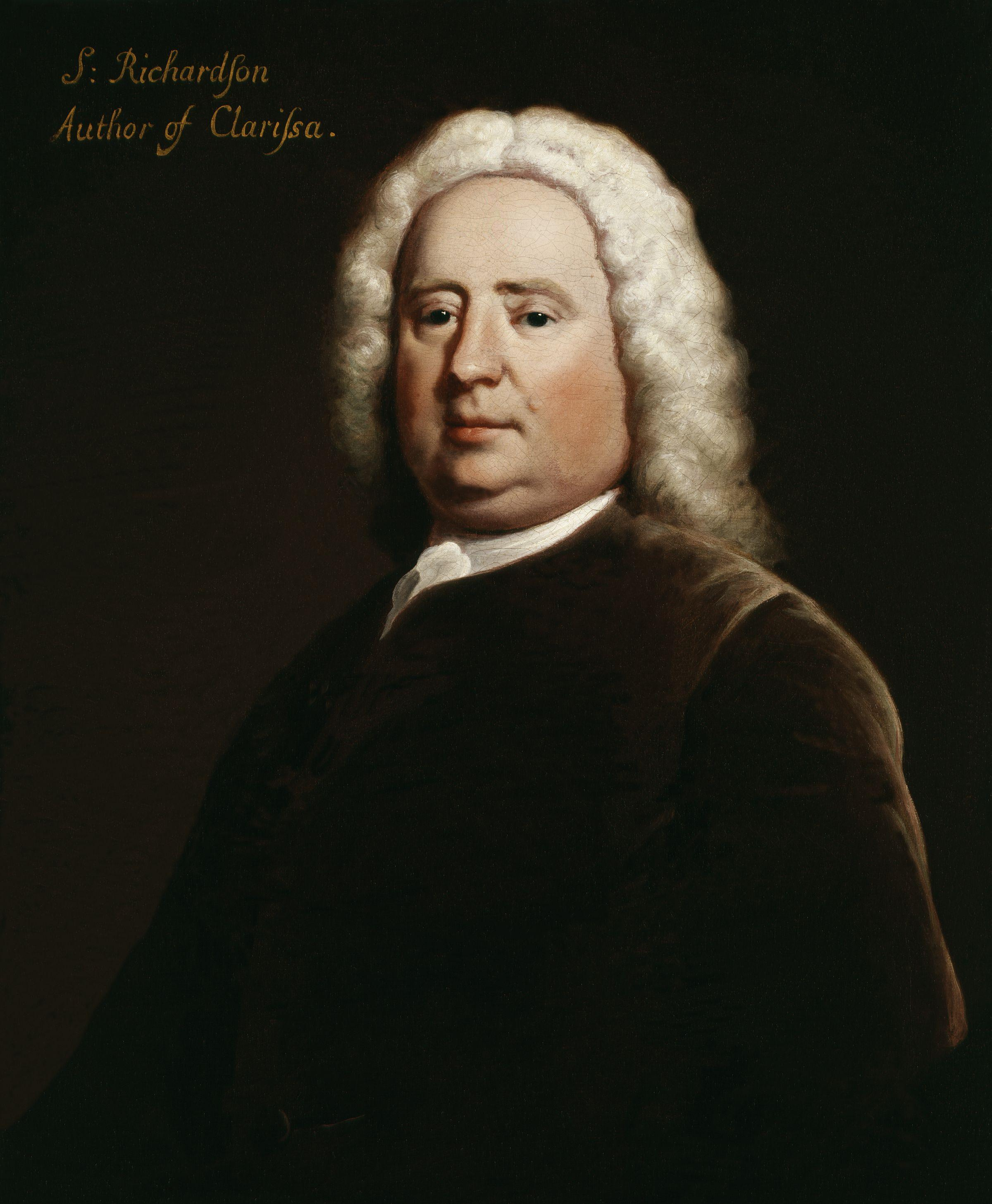
When Samuel Richardson published Pamela in 1740, he ignited a cultural firestom. The novel about a servant girl who refuses her master's sexual advances and is ultimately rewarded with marriage became the talk of England, with readers weeping in anticipation for each successive volume. This introduction is Richardson's extraordinary defense, rebuttal, and triumph lap: a collection of actual letters from readers, both praising and condemning his work, through which he navigates the scandal he created. Here, Richardson addresses critics who found his heroine too forward, too virtuous, too calculating; he quotes admirers who saw in Pamela a moral exemplar; he defends the radical premise that a servant girl's chastity could be worth more than a wealthy man's desire. The introduction functions as both appendix and artifact, revealing how early readers grappled with a form that did not yet exist: the novel. Richardson's defense illuminates the anxieties of his age about class, gender, and what literature owed to society. For modern readers, it offers a remarkable time capsule: the first great debate about what fiction could and should do.
Editions
Link to this book
Add a free, dofollow link to Lex on your blog, forum, syllabus, or reading list.

<a href="https://lex-books.com/book/samuel-richardson-s-introduction-to-pamela-41bee785-7e74-4b7b-8750-7029e5a743af"><img src="https://lex-books.com/badges/read-on-lex.svg" alt="Read Samuel Richardson's Introduction to Pamela by Samuel Richardson free on Lex" width="160" height="40"></a>[](https://lex-books.com/book/samuel-richardson-s-introduction-to-pamela-41bee785-7e74-4b7b-8750-7029e5a743af)[url=https://lex-books.com/book/samuel-richardson-s-introduction-to-pamela-41bee785-7e74-4b7b-8750-7029e5a743af][img]https://lex-books.com/badges/read-on-lex.svg[/img][/url]Read Samuel Richardson's Introduction to Pamela by Samuel Richardson free on Lex: https://lex-books.com/book/samuel-richardson-s-introduction-to-pamela-41bee785-7e74-4b7b-8750-7029e5a743afCite this book
Reading this edition for a paper or guide? Copy a citation.
Richardson, Samuel. Samuel Richardson's Introduction to Pamela. Lex, lex-books.com/book/samuel-richardson-s-introduction-to-pamela-41bee785-7e74-4b7b-8750-7029e5a743af.Richardson, S. (n.d.). Samuel Richardson's Introduction to Pamela. Lex. https://lex-books.com/book/samuel-richardson-s-introduction-to-pamela-41bee785-7e74-4b7b-8750-7029e5a743afRichardson, Samuel. Samuel Richardson's Introduction to Pamela. Lex. https://lex-books.com/book/samuel-richardson-s-introduction-to-pamela-41bee785-7e74-4b7b-8750-7029e5a743af.