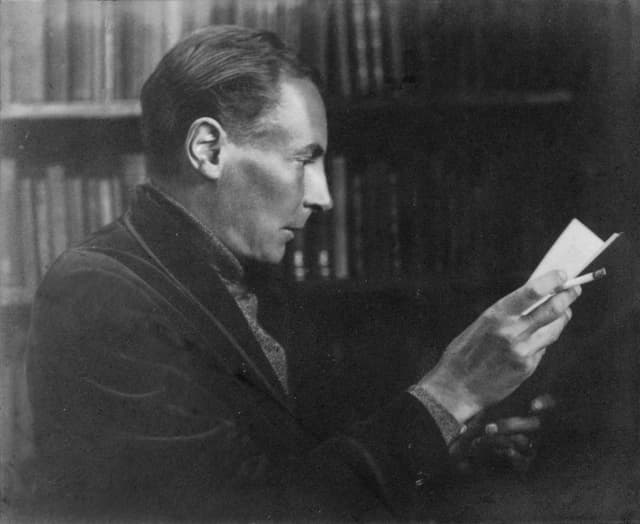
Robert Nichols
Robert Nichols was a British poet and playwright known for his poignant reflections on war and the human condition. Born in 1893, he served as a soldier during World War I, an experience that profoundly influenced his writing. His poetry often grappled with themes of loss, trauma, and the moral complexities of conflict, making him a significant voice in the war literature of his time. Nichols's notable works include 'The Infernal Paradise' and 'The Madman,' which showcase his innovative use of language and form, as well as his ability to convey deep emotional truths. In addition to his poetry, Nichols was also a playwright and a member of the literary group known as the 'War Poets.' His contributions to literature extended beyond his own works, as he was an advocate for the arts and played a role in promoting the writings of his contemporaries. Despite his relatively short life, ending in 1944, Nichols's legacy endures through his exploration of the psychological impacts of war and his commitment to artistic expression, marking him as an important figure in early 20th-century British literature.
Famous Quotes
View all 1 quotes“He had a sensitive drained face the face of a small boy lost on the Fairgrounds after everyone has gone home.”
Books from the author


Link to this page
Add a free, dofollow link to Lex on your blog, forum, syllabus, or reading list.

<a href="https://lex-books.com/author/robert-nichols"><img src="https://lex-books.com/badges/read-on-lex.svg" alt="Robert Nichols on Lex" width="160" height="40"></a>[](https://lex-books.com/author/robert-nichols)[url=https://lex-books.com/author/robert-nichols][img]https://lex-books.com/badges/read-on-lex.svg[/img][/url]Robert Nichols on Lex: https://lex-books.com/author/robert-nichols