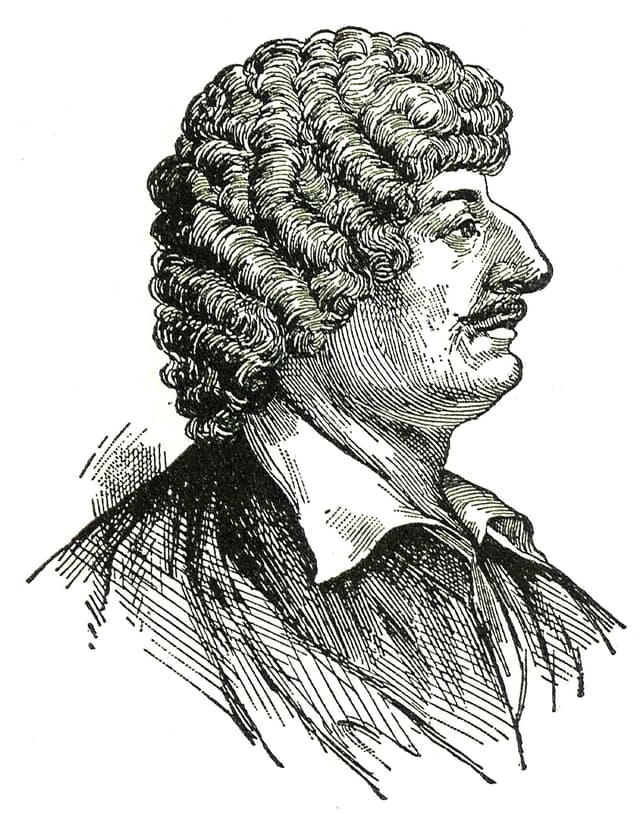
Robert Herrick
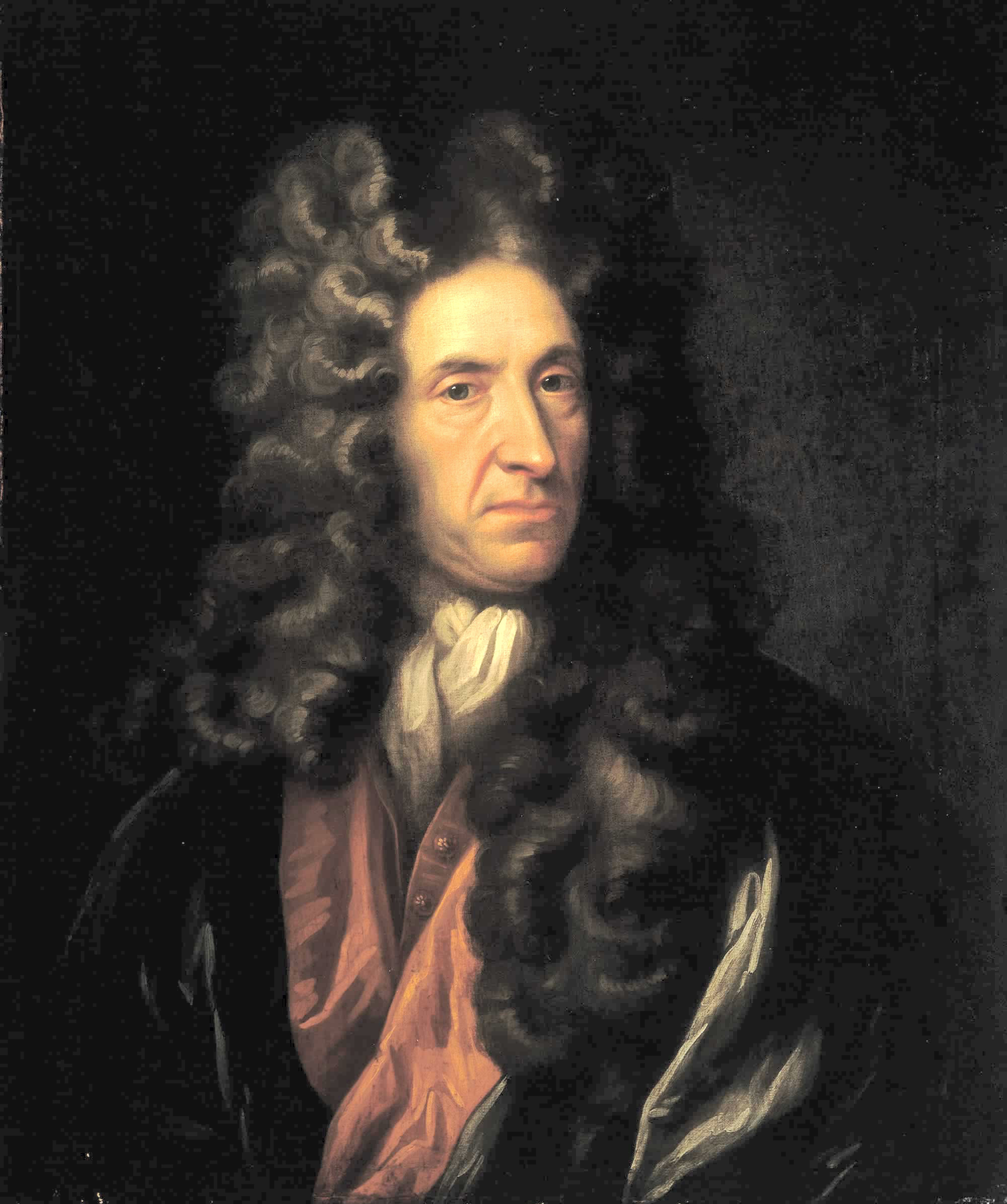
Robert Herrick was an English poet and cleric, best known for his lyrical poetry that celebrated the pleasures of life, love, and nature. Born in London, Herrick was educated at St. John's College, Cambridge, where he developed a passion for poetry and classical literature. His most famous collection, 'Hesperides,' published in 1648, contains over 1,400 poems, many of which are characterized by their vivid imagery and musical quality. Herrick's work often reflects the themes of carpe diem, urging readers to seize the day and appreciate the fleeting beauty of life. Despite being a Royalist and facing political challenges during the English Civil War, Herrick's poetry remained influential. His style is marked by a blend of classical influences and a distinctly English sensibility, making him a key figure in the tradition of pastoral poetry. His works, including 'To the Virgins, to Make Much of Time' and 'Upon Julia's Clothes,' showcase his mastery of form and his ability to convey deep emotion with simplicity. Herrick's legacy endures as a significant contributor to the English lyrical tradition, and his poems continue to be celebrated for their charm and insight into human experience.
Famous Quotes
View all 3 quotes“Tears are the noble language of eyes, and when true love of words is destitute. The eye by tears speak, while the tongue is mute.”
“Gather ye rose-buds while ye may, Old Time is still a-flying; And this same flower that smiles today, Tomorrow will be dying. The glorious lamp of heaven, the sun, The higher he’s a-getting, The sooner will his race be run, And nearer he is to setting. That age is best which is the first, When youth and blood are warmer; But being spent, the worse, and worst Times still succeed the former. Then be not coy, but use your time, And while you may, go marry; For having lost but once your prime, You may for ever tarry. - To the Virgins, To Make much of Time”
“Gather ye rose-buds while ye may, Old Time is still a-flying; And this same flower that smiles today, Tomorrow will be dying.”
Books from the author
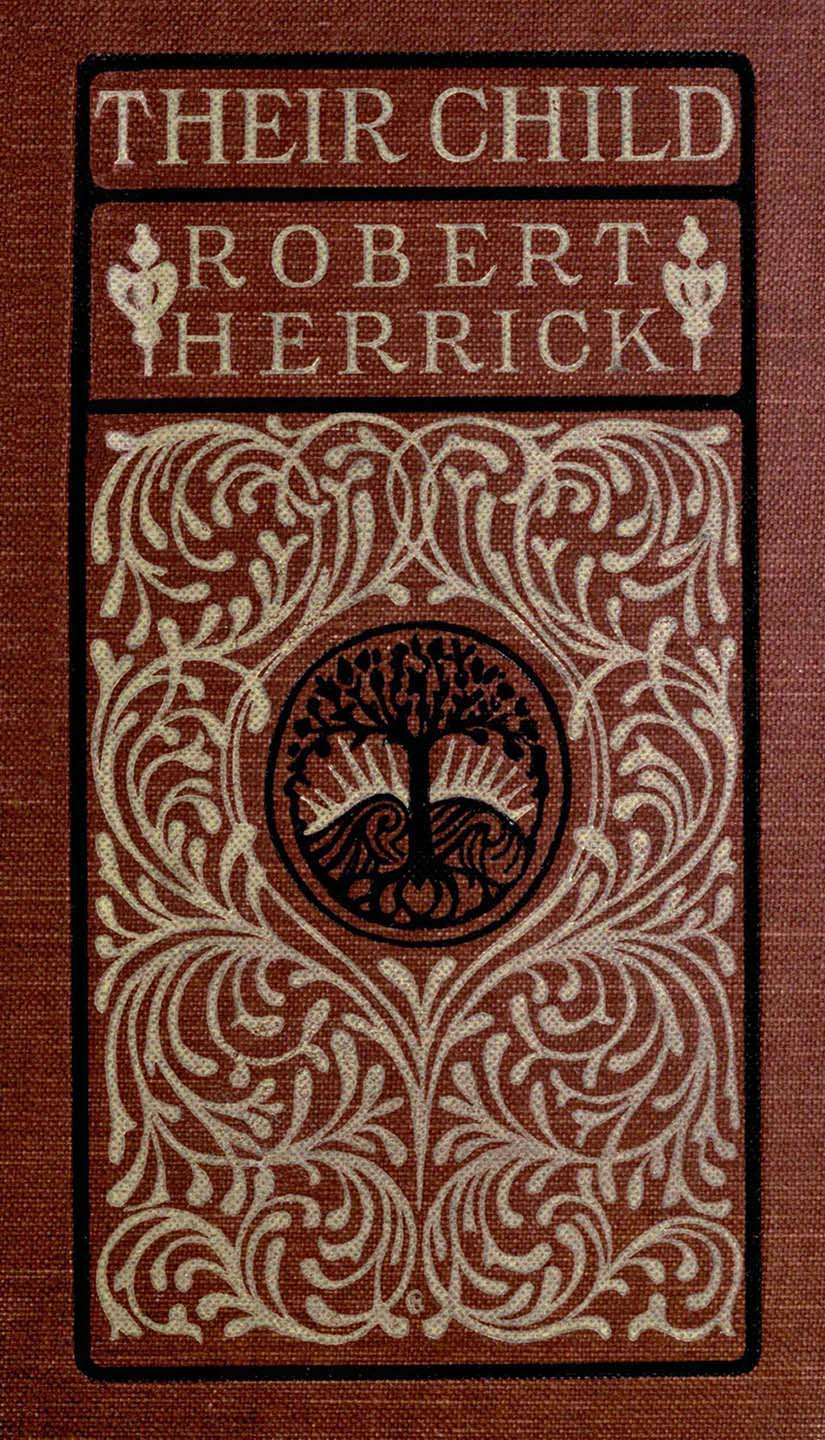
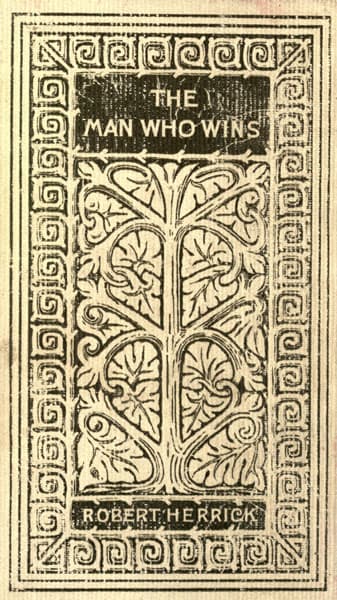
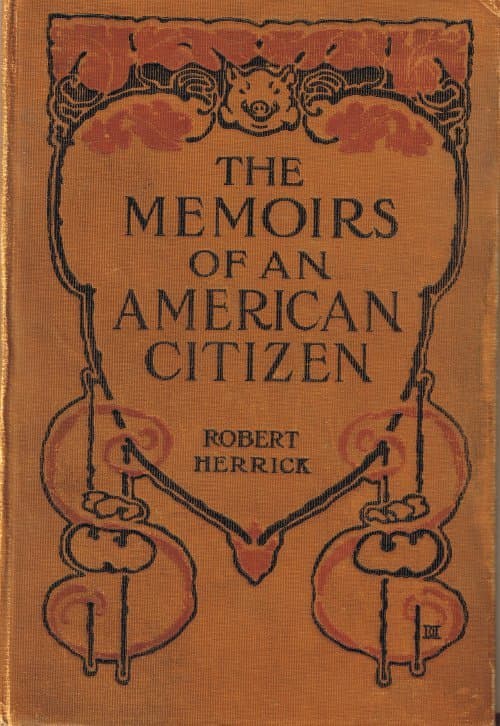




Link to this page
Add a free, dofollow link to Lex on your blog, forum, syllabus, or reading list.

<a href="https://lex-books.com/author/robert-herrick"><img src="https://lex-books.com/badges/read-on-lex.svg" alt="Robert Herrick on Lex" width="160" height="40"></a>[](https://lex-books.com/author/robert-herrick)[url=https://lex-books.com/author/robert-herrick][img]https://lex-books.com/badges/read-on-lex.svg[/img][/url]Robert Herrick on Lex: https://lex-books.com/author/robert-herrick