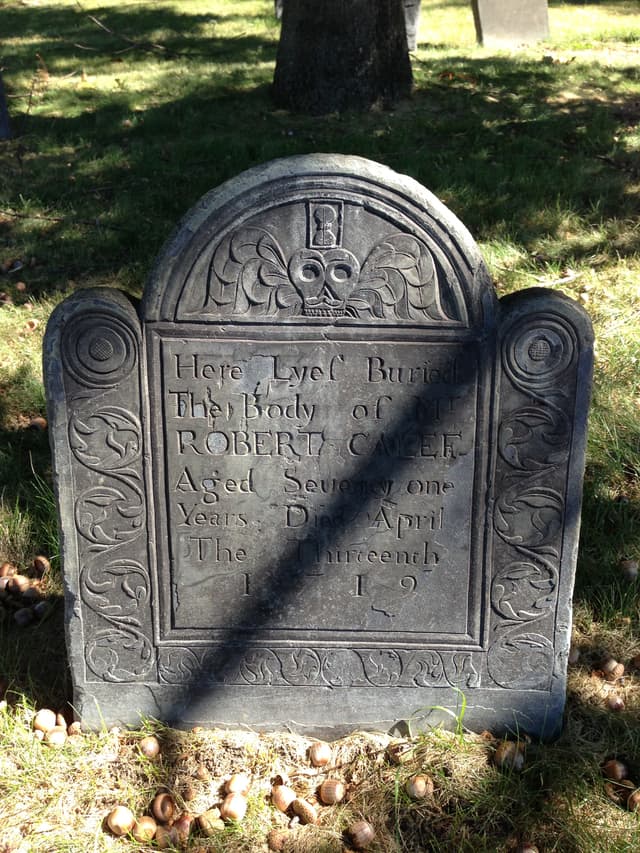
Robert Calef
Robert Calef was a cloth merchant in colonial Boston who became an outspoken critic of the Salem witch trials of 1692–1693. His most notable work, "More Wonders of the Invisible World," was written in the mid-1690s and served as a powerful denunciation of the trials, particularly targeting the influential Puritan minister Cotton Mather. Calef's book argued against the validity of spectral evidence and the hysteria that surrounded the witch hunts, highlighting the dangers of fanaticism and the consequences of unchecked authority. Calef's writings are significant not only for their historical context but also for their early advocacy of rational thought and skepticism in the face of superstition. His critique of the witch trials contributed to a growing skepticism about witch hunts in New England and laid the groundwork for future discussions on justice and due process. Though not widely recognized in his time, Calef's work has gained importance in the study of colonial American history and the evolution of public opinion regarding witchcraft and legal proceedings, marking him as a notable figure in the discourse on morality and reason during a tumultuous period in American history.
Famous Quotes
View all 1 quotes“And now Nineteen persons having been hang'd, and one prest to death, and Eight more condemned, in all Twenty and Eight, of which above a third part were Members of some of the Churches of N. England, and more than half of them of a good Conversation in general, and not one clear'd; about Fifty having confest themselves to be Witches, of which not one Executed; above an Hundred and Fifty in Prison, and Two Hundred more accused; the Special Commision of Oyer and Terminer comes to a period.”
Books from the author
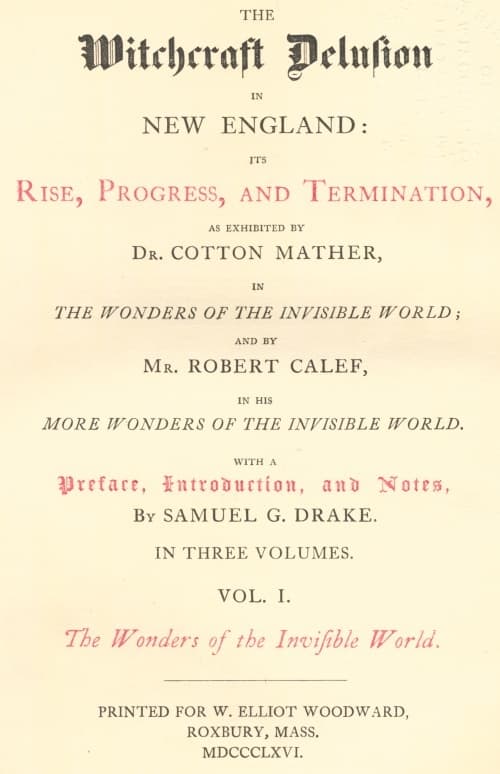
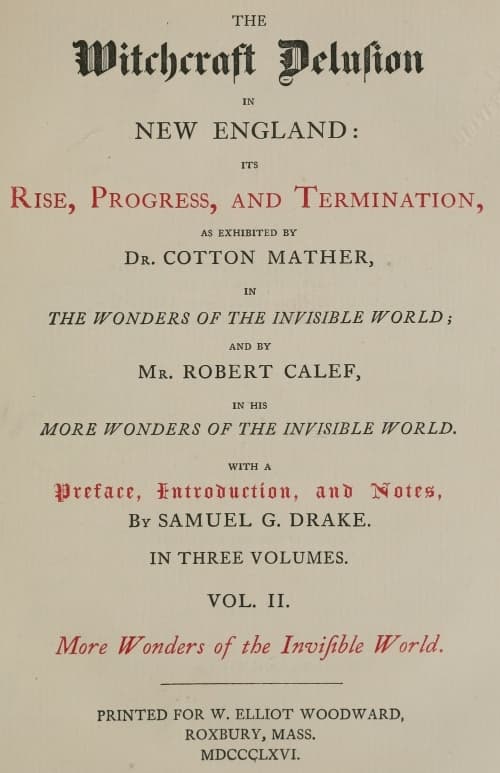


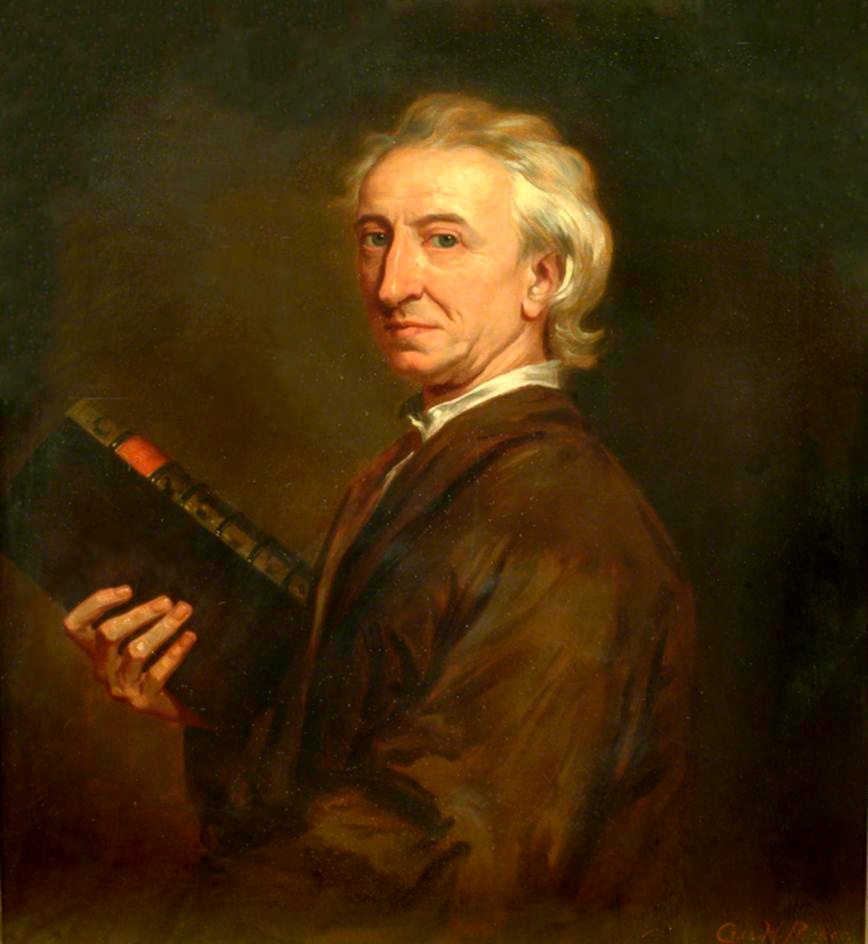
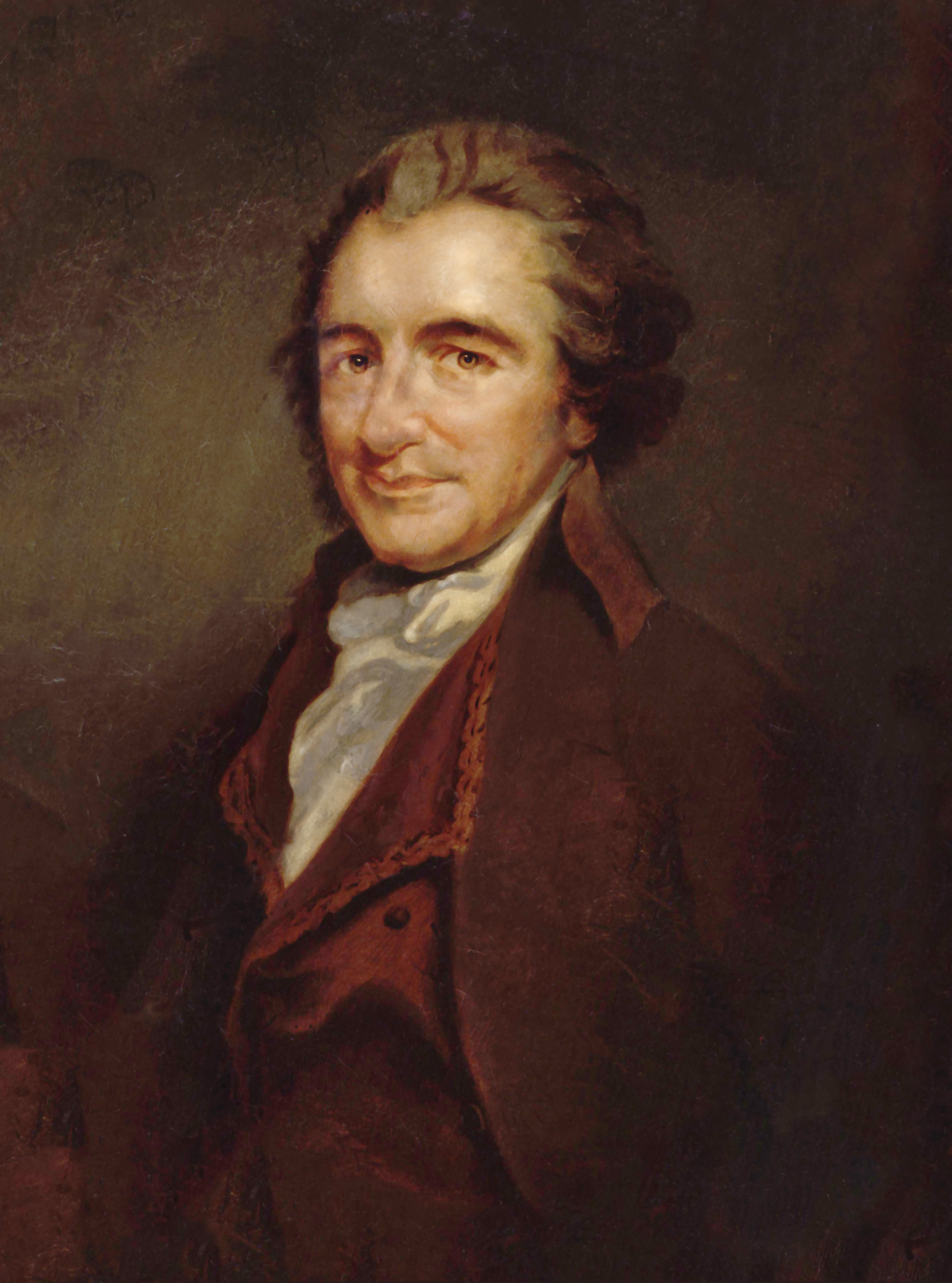
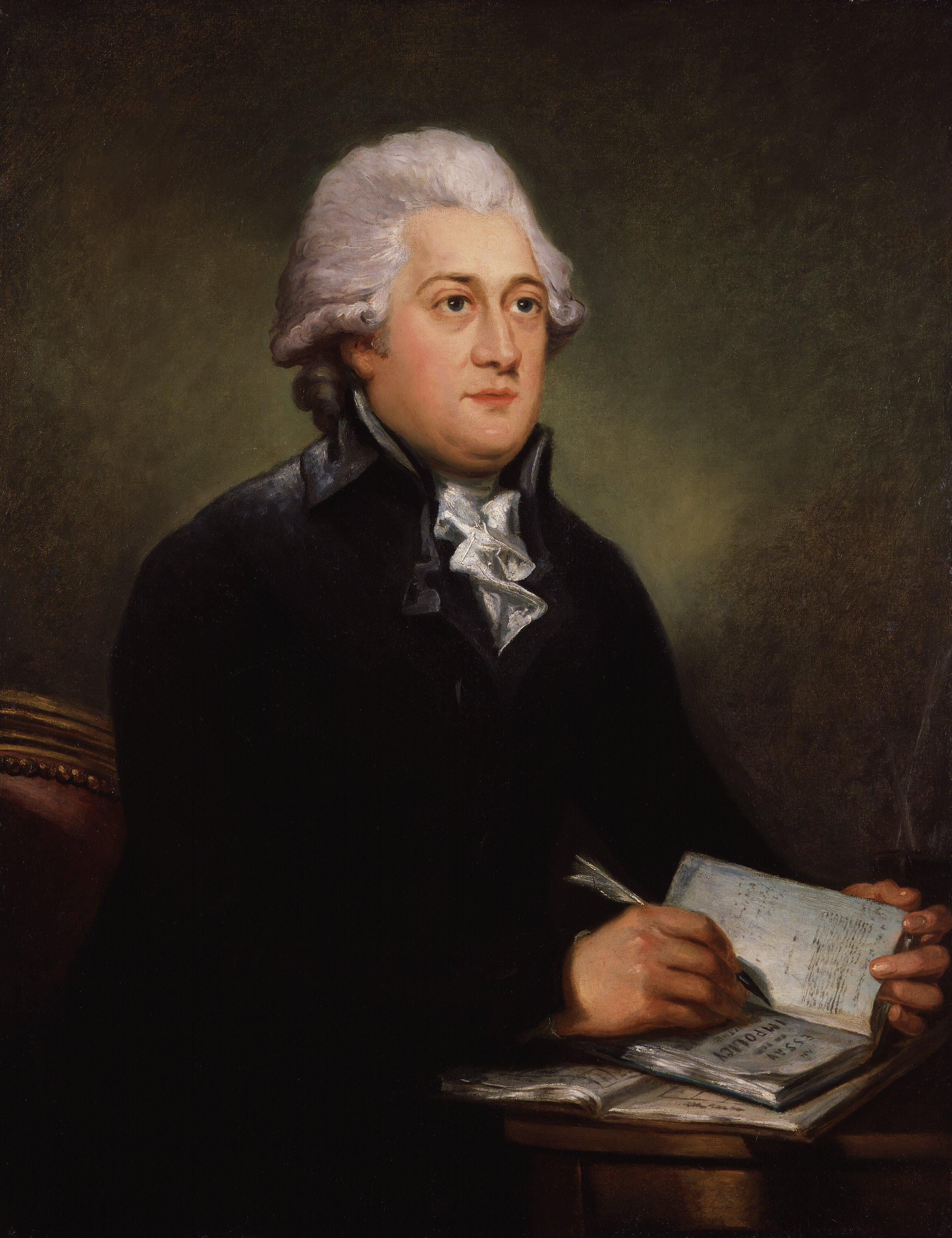
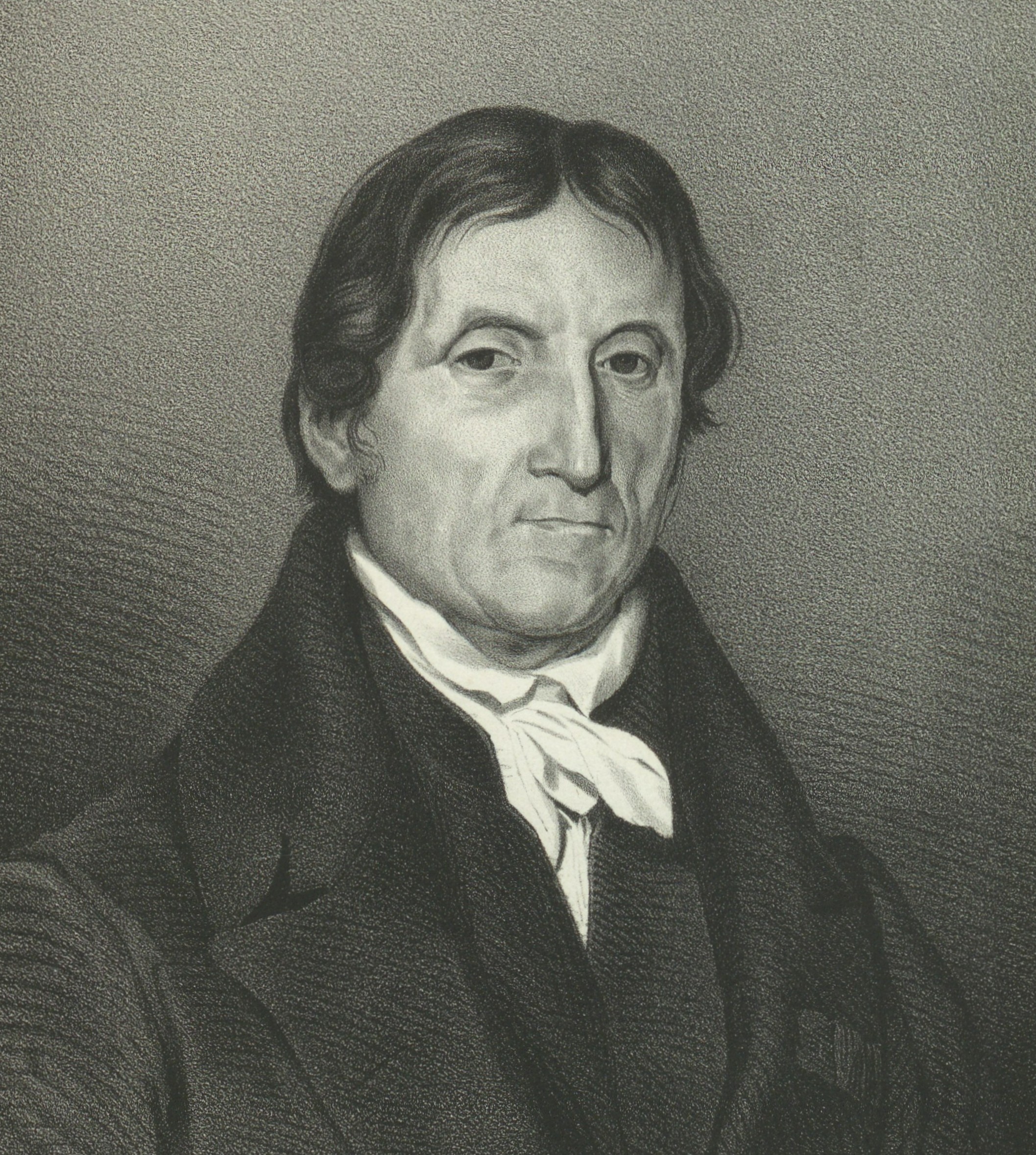


Link to this page
Add a free, dofollow link to Lex on your blog, forum, syllabus, or reading list.

<a href="https://lex-books.com/author/robert-calef"><img src="https://lex-books.com/badges/read-on-lex.svg" alt="Robert Calef on Lex" width="160" height="40"></a>[](https://lex-books.com/author/robert-calef)[url=https://lex-books.com/author/robert-calef][img]https://lex-books.com/badges/read-on-lex.svg[/img][/url]Robert Calef on Lex: https://lex-books.com/author/robert-calef