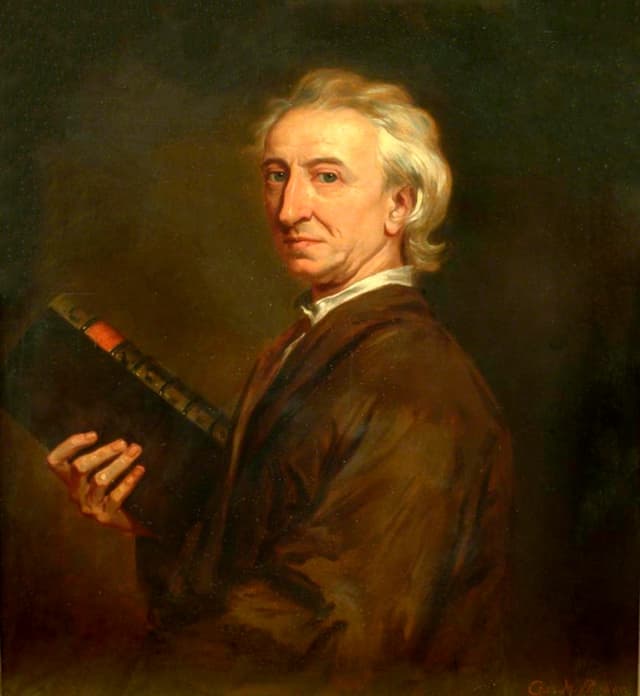
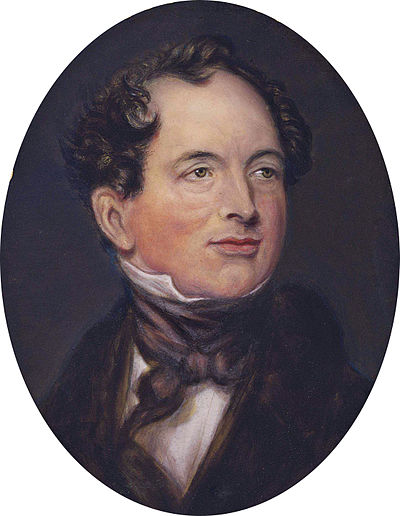
John Evelyn
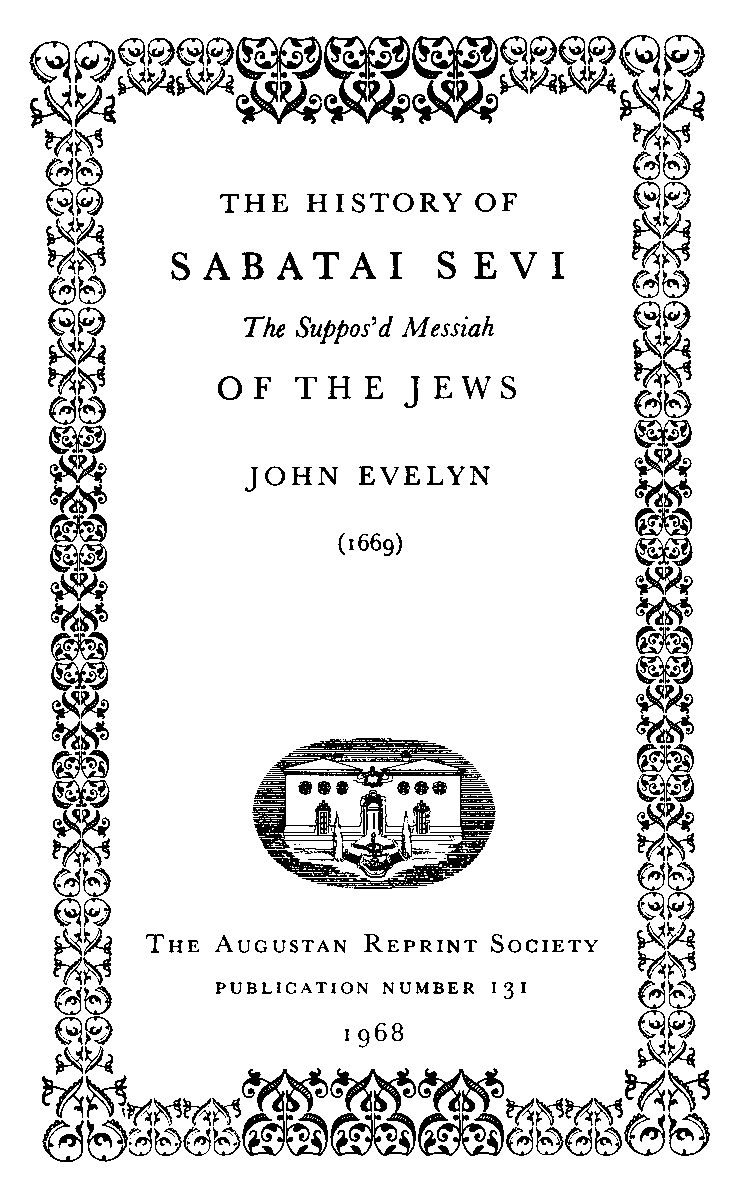
John Evelyn was an English writer, gardener, and courtier, renowned primarily for his extensive diary that offers a unique perspective on 17th-century England. His diary, which he began in 1640 and continued until his death in 1706, serves as a vital historical document, chronicling significant events such as the execution of Charles I, the rise and fall of Oliver Cromwell, the Great Plague of London, and the catastrophic Great Fire of London in 1666. As a founding Fellow of the Royal Society, Evelyn's interests extended beyond mere observation; he was deeply engaged in the cultural and political currents of his time, reflecting on art, science, and society in his writings. Though his diary was published posthumously in 1818, it did not gain the same immediate recognition as that of his contemporary Samuel Pepys, whose more focused and detailed accounts overshadowed Evelyn's broader narrative. Nevertheless, Evelyn's work remains significant for its rich detail and insight into the era's complexities, offering historians and readers alike a window into the thoughts and experiences of a man who lived through tumultuous times. His contributions to literature and history continue to be acknowledged, marking him as a pivotal figure in the development of the English diary as a literary form.
Famous Quotes
View all 2 quotes“Friendship is the golden thread that ties the heart of all the world.”
“This day came in his Majestie Charles the 2d to London after a sad, & long Exile, and Calamitous Suffering both of the King & Church: being 17 yeares: This was also his Birthday, and with a Triumph of above 20000 horse & foote, brandishing their swords and shouting with unexpressable joy: The wayes straw’d with flowers, the bells ringing, the streets hung with Tapissry, fountaines running with wine: The Major, Aldermen, all the Companies in their liver[ie]s, Chaines of Gold, banners; Lords & nobles, Cloth of Silver, gold & vellvet every body clad in, the windos & balconies all set with Ladys, Trumpets, Musick, & [myriads] of people flocking the streetes & was as far as Rochester, so as they were 7 houres in passing the Citty, even from 2 in the afternoon 'til nine at night: I stood in the strand, & beheld it, & blessed God: And all this without one drop of bloud, & by that very army, which rebell'd against him: but it was the Lords doing, et mirabile in oculis nostris: for such a Restauration was never seene in the mention of any history, antient or modern, since the returne of the Babylonian Captivity, nor so joyfull a day, & so bright, ever seene in this nation: this hapning when to expect or effect it, was past all humane policy.”
Books from the author
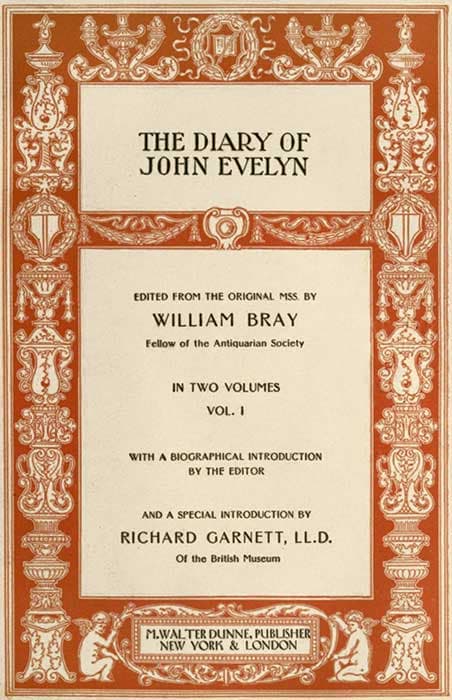
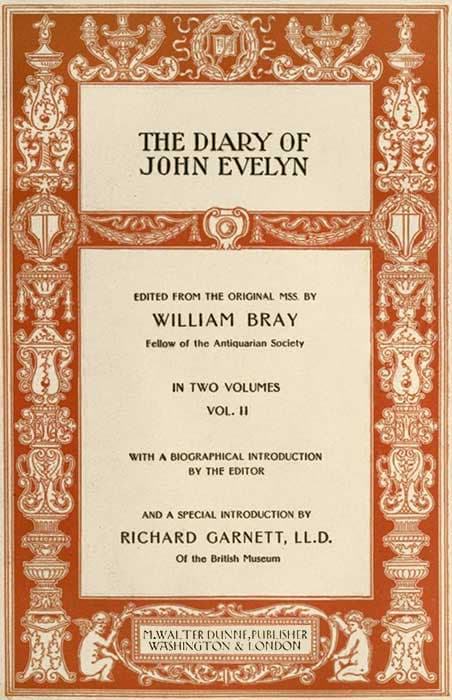
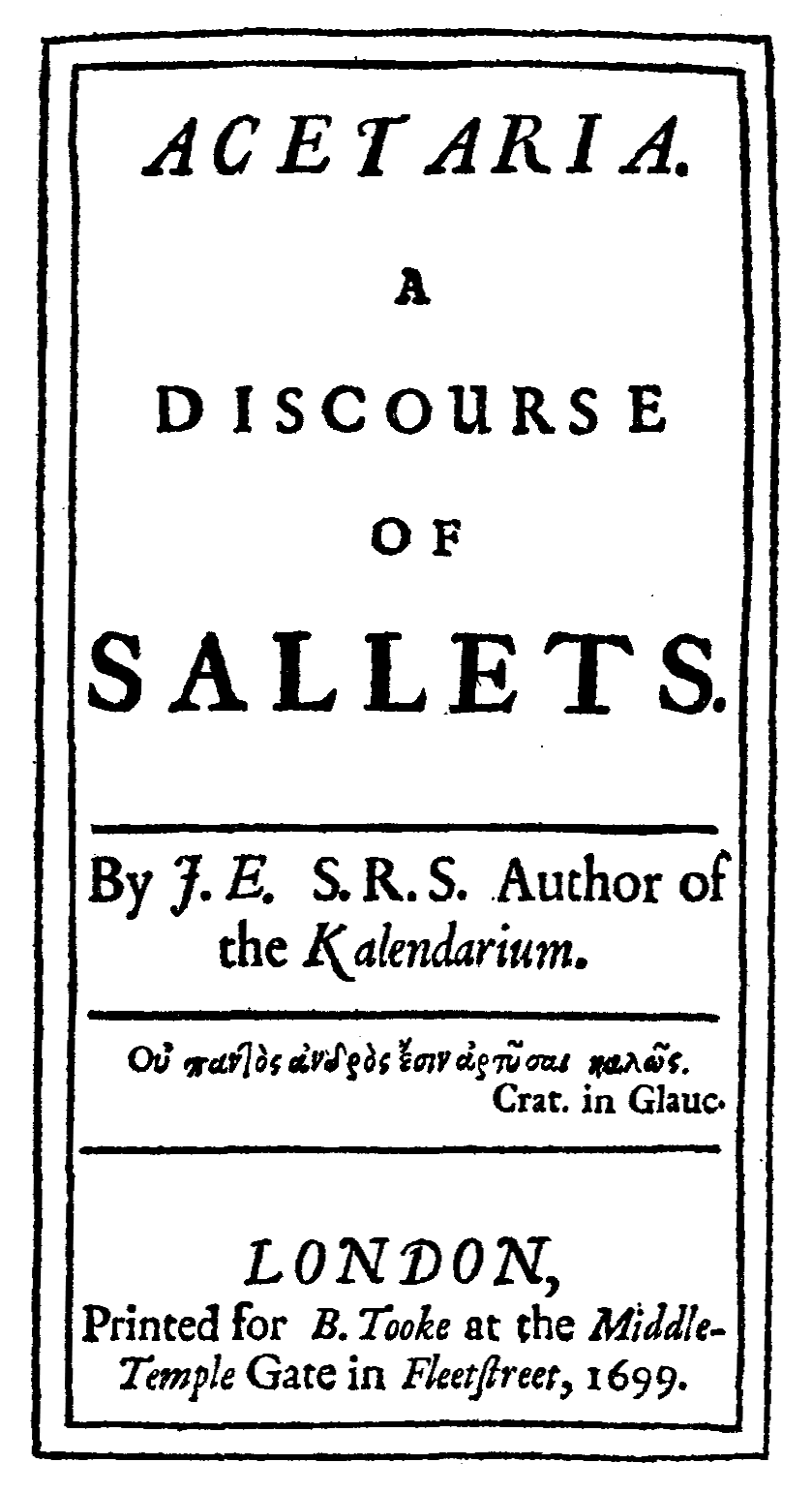

Link to this page
Add a free, dofollow link to Lex on your blog, forum, syllabus, or reading list.

<a href="https://lex-books.com/author/john-evelyn"><img src="https://lex-books.com/badges/read-on-lex.svg" alt="John Evelyn on Lex" width="160" height="40"></a>[](https://lex-books.com/author/john-evelyn)[url=https://lex-books.com/author/john-evelyn][img]https://lex-books.com/badges/read-on-lex.svg[/img][/url]John Evelyn on Lex: https://lex-books.com/author/john-evelyn