The Saint's Everlasting Rest: A Treatise of the Blessed State of the Saints in Their Enjoyment of God in Heaven
1650
The Saint's Everlasting Rest: A Treatise of the Blessed State of the Saints in Their Enjoyment of God in Heaven
1650
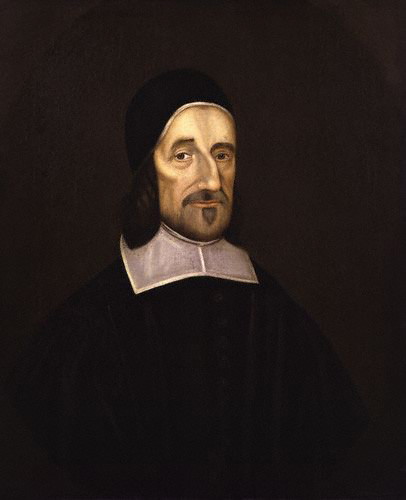
The Saint's Everlasting Rest, written by Richard Baxter and first published in 1650, is a theological treatise that explores the blessed state of saints in communion with God in heaven. It emphasizes the importance of seeking a relationship with God and preparing for eternal rest. Baxter discusses the nature of spiritual rest and encourages believers to strive toward a godly life in anticipation of the joys of heavenly existence. The work has been influential in Christian devotion, reaching multiple editions and translations, including Welsh, Gaelic, German, and French.
Editions
X-Ray
“Surely love is both work and wages.””
— Richard Baxter
“The most dangerous mistake that our souls are capable of, is, to take the creature for God, and earth for heaven (374).””
— Richard Baxter
“The falseness of your own hearts, if you look not to them, may undo you(15).””
— Richard Baxter
“Thou has heard the words of Christ. . . . Dost thou weep, when I have thee, Poor soul, what aileth thee? Dost thou weep, when I have wept so much? Be of good cheer ; thy wounds are saving, and not deadly. It is I that have made them, who mean thee no hurt : though I let out thy blood, I will not let out thy life (628).””
— Richard Baxter
“[M]editation is the life of of most other duties; and the view of heaven is the life of meditation (559).””
— Richard Baxter
“[I]f thou loiter when thou shouldst labour, thou wilt lose the crown. O fall to work then speedily and seriously, and bless God that thou hast yet time to do it; and though that which is past cannot be recalled, yet redeem the time now by doubling thy diligence (260).””
— Richard Baxter
“We will "live eternally with Peter, Paul, Austin, Chrysostom, Jerome, Wickliffe, Luther, Zuinglius, Calvin, Beza, Bullinger. . . Latimer(69) [.]””
— Richard Baxter
“Remember with whom thou hast to do: what canst thou expect from dust but levity; or from corruption, but defilement(33)?””
— Richard Baxter
“When I compare my slow and unprofitable life with the frequent and wonderful mercies received, it shames me, it silences me, and leaves me inexcusable.””
— Richard Baxter
Link to this book
Add a free, dofollow link to Lex on your blog, forum, syllabus, or reading list.

<a href="https://lex-books.com/book/the-saint-s-everlasting-rest-a-treatise-of-the-blessed-state-of-the-saints-in-th-d31e7e43-26de-4f92-bb64-97b6de05b68d"><img src="https://lex-books.com/badges/read-on-lex.svg" alt="Read The Saint's Everlasting Rest: A Treatise of the Blessed State of the Saints in Their Enjoyment of God in Heaven by Richard Baxter free on Lex" width="160" height="40"></a>[](https://lex-books.com/book/the-saint-s-everlasting-rest-a-treatise-of-the-blessed-state-of-the-saints-in-th-d31e7e43-26de-4f92-bb64-97b6de05b68d)[url=https://lex-books.com/book/the-saint-s-everlasting-rest-a-treatise-of-the-blessed-state-of-the-saints-in-th-d31e7e43-26de-4f92-bb64-97b6de05b68d][img]https://lex-books.com/badges/read-on-lex.svg[/img][/url]Read The Saint's Everlasting Rest: A Treatise of the Blessed State of the Saints in Their Enjoyment of God in Heaven by Richard Baxter free on Lex: https://lex-books.com/book/the-saint-s-everlasting-rest-a-treatise-of-the-blessed-state-of-the-saints-in-th-d31e7e43-26de-4f92-bb64-97b6de05b68dCite this book
Reading this edition for a paper or guide? Copy a citation.
Baxter, Richard. The Saint's Everlasting Rest: A Treatise of the Blessed State of the Saints in Their Enjoyment of God in Heaven. Lex, lex-books.com/book/the-saint-s-everlasting-rest-a-treatise-of-the-blessed-state-of-the-saints-in-th-d31e7e43-26de-4f92-bb64-97b6de05b68d.Baxter, R. (1650). The Saint's Everlasting Rest: A Treatise of the Blessed State of the Saints in Their Enjoyment of God in Heaven. Lex. https://lex-books.com/book/the-saint-s-everlasting-rest-a-treatise-of-the-blessed-state-of-the-saints-in-th-d31e7e43-26de-4f92-bb64-97b6de05b68dBaxter, Richard. The Saint's Everlasting Rest: A Treatise of the Blessed State of the Saints in Their Enjoyment of God in Heaven. Lex. https://lex-books.com/book/the-saint-s-everlasting-rest-a-treatise-of-the-blessed-state-of-the-saints-in-th-d31e7e43-26de-4f92-bb64-97b6de05b68d.