
Plotinus
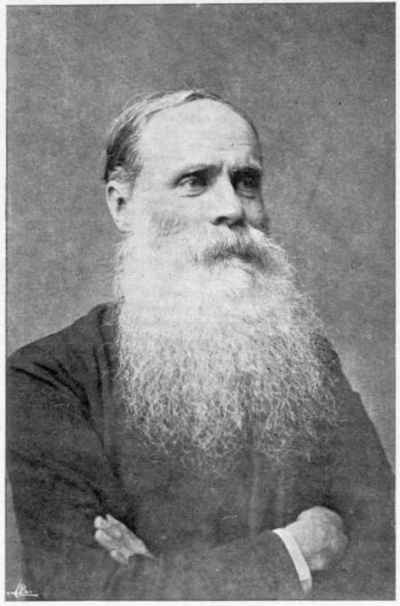
Plotinus was a prominent philosopher in the 3rd century CE, best known as the founder of Neoplatonism, a philosophical system that sought to synthesize Platonic thought with other philosophical traditions. Born in Egypt, he later moved to Rome, where he established a school that attracted a diverse group of students and thinkers. His teachings emphasized the existence of a single source of all reality, the One, from which emanates the Intellect and the Soul, forming a hierarchical structure of existence. This framework not only influenced later philosophical thought but also had a profound impact on early Christian theology, particularly in the works of thinkers like Augustine of Hippo. Plotinus's major work, the "Enneads," is a collection of six groups of nine treatises that delve into metaphysics, ethics, and the nature of the divine. His exploration of the relationship between the material and immaterial worlds, as well as his ideas on the soul's ascent towards the One, marked a significant departure from earlier philosophical traditions and laid the groundwork for future metaphysical inquiry. Plotinus's legacy endures through the Neoplatonic tradition, which shaped medieval philosophy and continues to resonate in contemporary discussions of metaphysics and spirituality.
Famous Quotes
View all 18 quotes“I am striving to give back the Divine in myself to the Divine in the All.””
“Life is the flight of the alone to the alone.””
“Being is desirable because it is identical with Beauty, and Beauty is loved because it is Being. We ourselves possess Beauty when we are true to our own being; ugliness is in going over to another order; knowing ourselves, we are beautiful; in self-ignorance, we are ugly.””
Books from the author











Link to this page
Add a free, dofollow link to Lex on your blog, forum, syllabus, or reading list.

<a href="https://lex-books.com/author/plotinus"><img src="https://lex-books.com/badges/read-on-lex.svg" alt="Plotinus on Lex" width="160" height="40"></a>[](https://lex-books.com/author/plotinus)[url=https://lex-books.com/author/plotinus][img]https://lex-books.com/badges/read-on-lex.svg[/img][/url]Plotinus on Lex: https://lex-books.com/author/plotinus