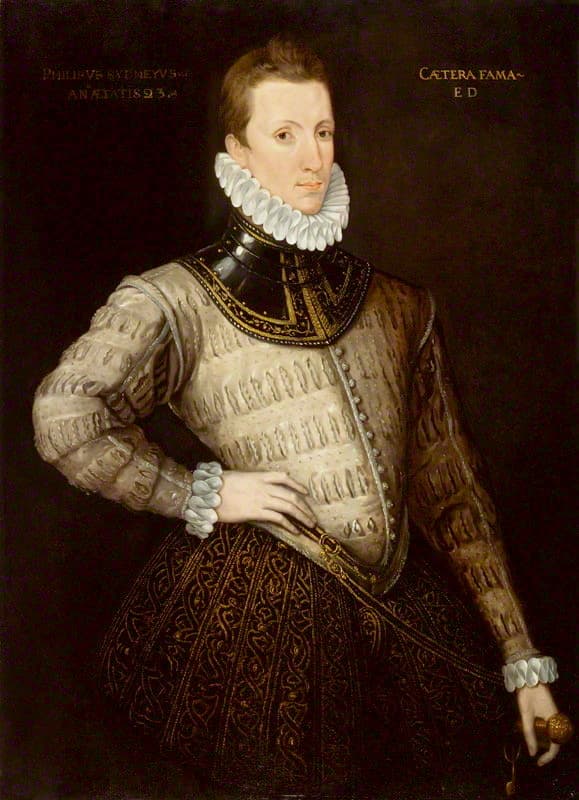
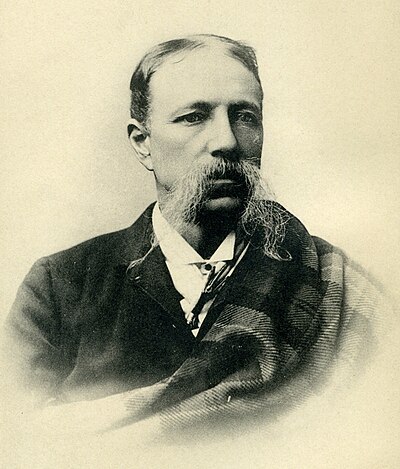
Philip Sidney
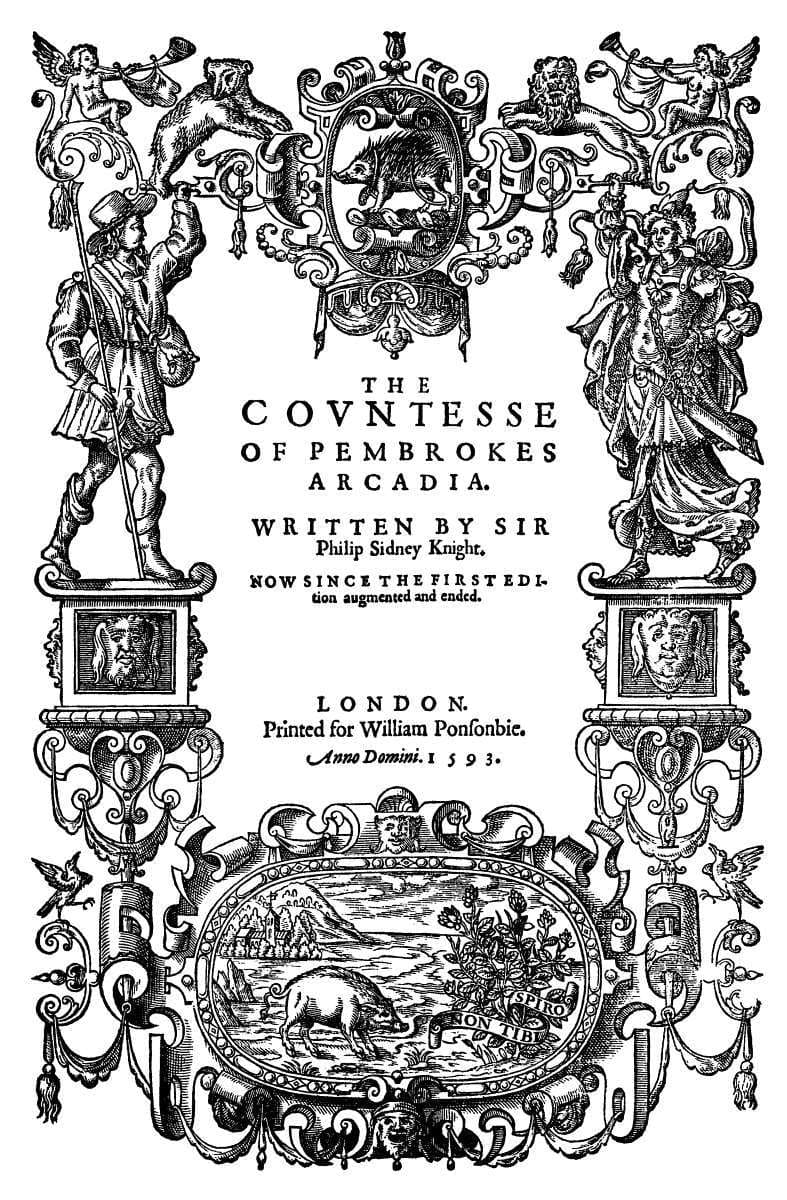
Sir Philip Sidney was an influential English poet, courtier, scholar, and soldier, celebrated as a key figure of the Elizabethan era. Born into an aristocratic family, he was educated at Oxford and became known for his eloquence and intellect. Sidney's literary contributions include the sonnet sequence 'Astrophil and Stella,' which is notable for its exploration of love and desire, and 'The Defence of Poesy,' a seminal treatise that argues for the value of poetry and its moral and philosophical significance. His pastoral romance, 'The Countess of Pembroke's Arcadia,' showcases his innovative narrative style and deep understanding of human emotion, further solidifying his reputation as a pioneering writer of his time. Sidney's life was marked by his commitment to both literature and military service, ultimately leading to his untimely death at the age of 31 while fighting against the Spanish in the Netherlands. His funeral was a grand affair, reflecting his status and the impact he had made in his short life. Sidney's works not only influenced contemporaries but also laid the groundwork for future generations of poets and writers, earning him a lasting legacy as one of the foremost figures in English literature.
Famous Quotes
View all 3 quotes“Fool," said my muse to me. "Look in thy heart and write.”
“Biting my truant pen, beating myself for spite: "Fool!" said my muse to me, "look in thy heart, and write.”
“Either I will find a way, or I will make one.”
Books from the author


Link to this page
Add a free, dofollow link to Lex on your blog, forum, syllabus, or reading list.

<a href="https://lex-books.com/author/philip-sidney"><img src="https://lex-books.com/badges/read-on-lex.svg" alt="Philip Sidney on Lex" width="160" height="40"></a>[](https://lex-books.com/author/philip-sidney)[url=https://lex-books.com/author/philip-sidney][img]https://lex-books.com/badges/read-on-lex.svg[/img][/url]Philip Sidney on Lex: https://lex-books.com/author/philip-sidney