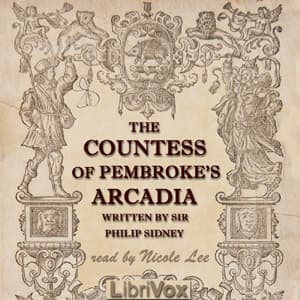
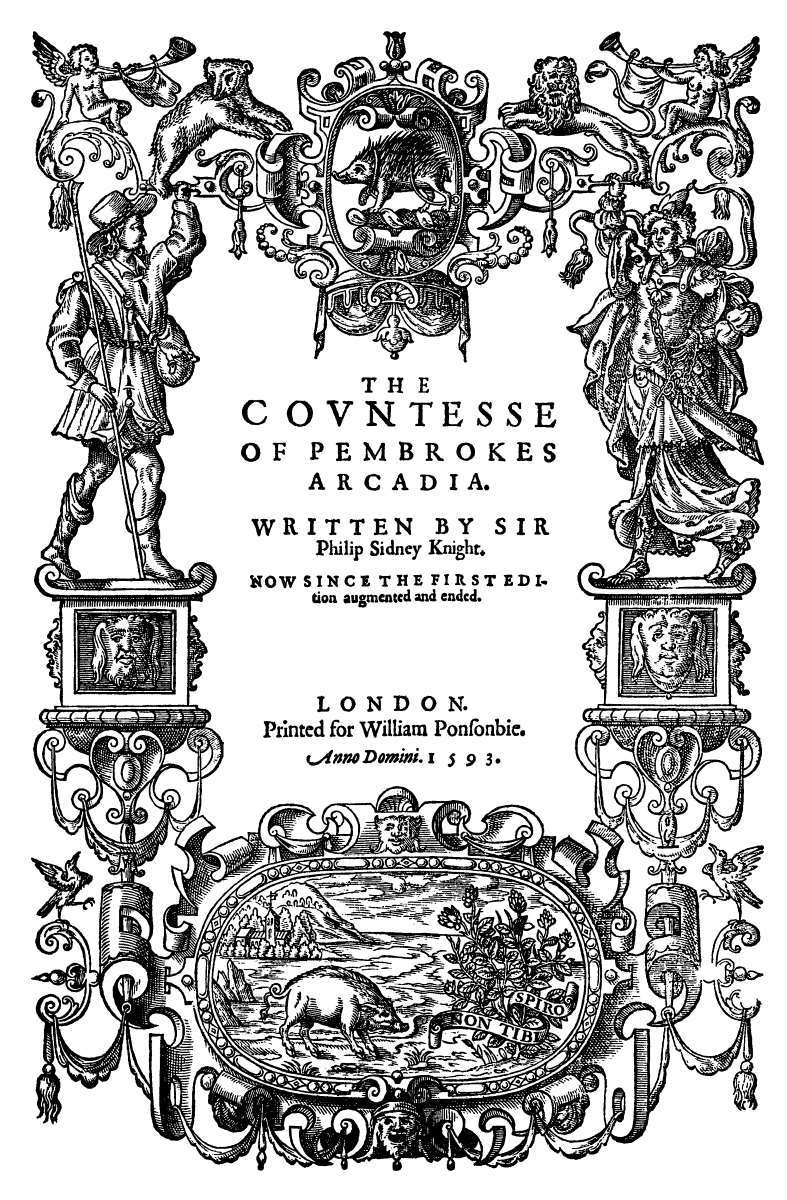
The Countess of Pembroke's Arcadia
1590
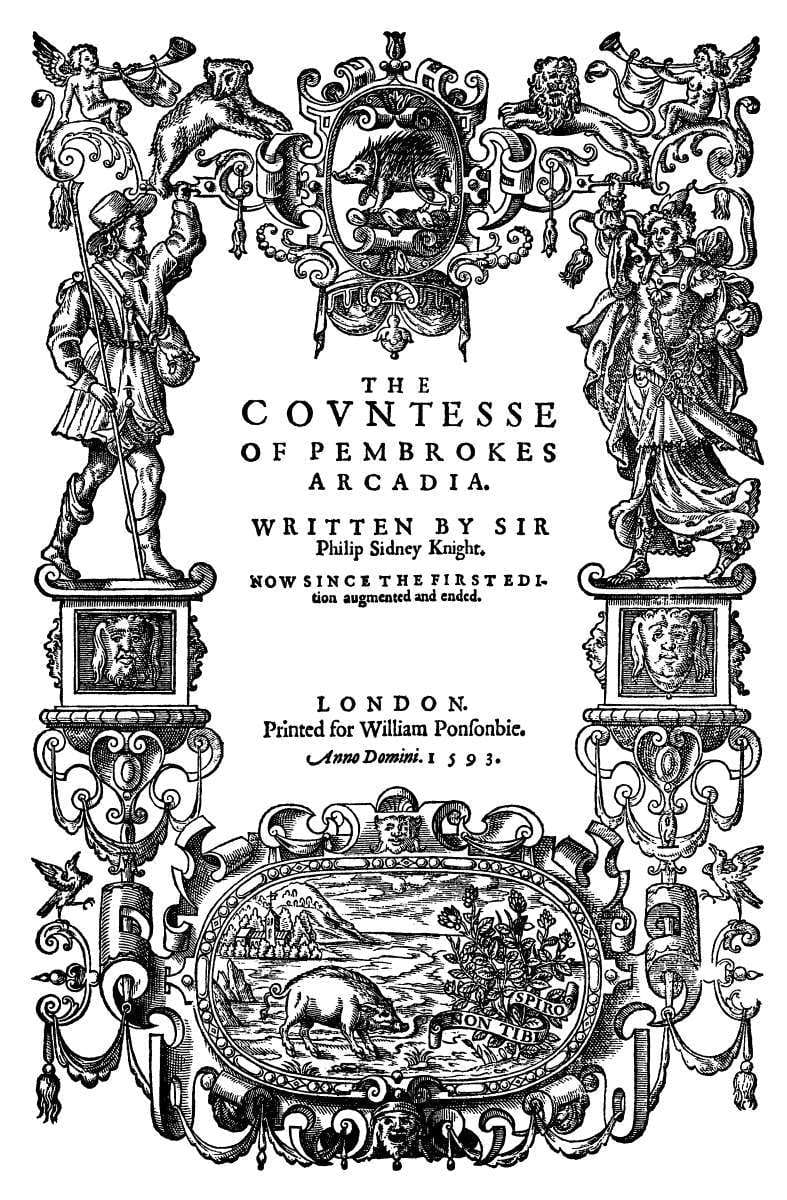
The Countess of Pembroke's Arcadia
1590
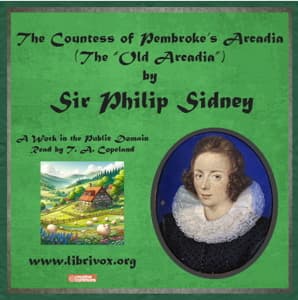
When Philip Sidney wrote this prose romance for his younger sister, the Countess of Pembroke, he created something unprecedented in English literature: a sprawling, sophisticated narrative that interweaves adventure, love, and over seventy poems into a single pastoral vision. The story follows two princes, Musidorus and Pyrocles, who find themselves shipwrecked in the idyllic landscape of Arcadia, where they pursue romantic quests amid shepherds, royalty, and political intrigue. But the novel's heart beats in its emotional texture: Sidney's characters experience love as devastation, honor as burden, and beauty as a form of tragedy. The prose moves between comic misadventure and genuine pathos, while the embedded poems range from sonnets to songs, each one a small jewel embedded in the narrative. Though written to amuse a sister in her private chambers, the Arcadia became a cornerstone of English fiction, influencing everything from Shakespeare's comedies to the development of the novel form itself. It remains essential for readers who want to understand how Renaissance writers reimagined the possibilities of prose narrative.
Editions
X-Ray
“O that we had, to make our woes more public,Seas in our eyes, and brazen tongues by nature,A yelling voice, and hearts composed of sorrow,Breath made of flames, wits knowing naught but damage,Our sports murd'ring ourselves, our musics wailing,Our studies fixed upon the falls of fortune.””
— Philip Sidney
Link to this book
Add a free, dofollow link to Lex on your blog, forum, syllabus, or reading list.

<a href="https://lex-books.com/book/the-countess-of-pembroke-s-arcadia-7991d883-9205-4d99-a8af-41f66a538e39"><img src="https://lex-books.com/badges/read-on-lex.svg" alt="Read The Countess of Pembroke's Arcadia by Philip Sidney free on Lex" width="160" height="40"></a>[](https://lex-books.com/book/the-countess-of-pembroke-s-arcadia-7991d883-9205-4d99-a8af-41f66a538e39)[url=https://lex-books.com/book/the-countess-of-pembroke-s-arcadia-7991d883-9205-4d99-a8af-41f66a538e39][img]https://lex-books.com/badges/read-on-lex.svg[/img][/url]Read The Countess of Pembroke's Arcadia by Philip Sidney free on Lex: https://lex-books.com/book/the-countess-of-pembroke-s-arcadia-7991d883-9205-4d99-a8af-41f66a538e39Cite this book
Reading this edition for a paper or guide? Copy a citation.
Sidney, Philip. The Countess of Pembroke's Arcadia. Lex, lex-books.com/book/the-countess-of-pembroke-s-arcadia-7991d883-9205-4d99-a8af-41f66a538e39.Sidney, P. (1590). The Countess of Pembroke's Arcadia. Lex. https://lex-books.com/book/the-countess-of-pembroke-s-arcadia-7991d883-9205-4d99-a8af-41f66a538e39Sidney, Philip. The Countess of Pembroke's Arcadia. Lex. https://lex-books.com/book/the-countess-of-pembroke-s-arcadia-7991d883-9205-4d99-a8af-41f66a538e39.