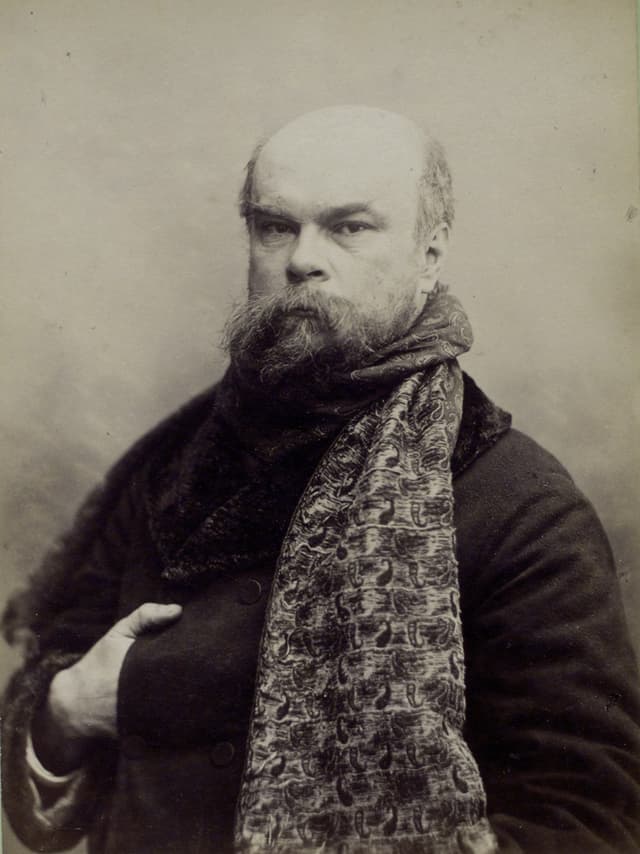
Paul Verlaine
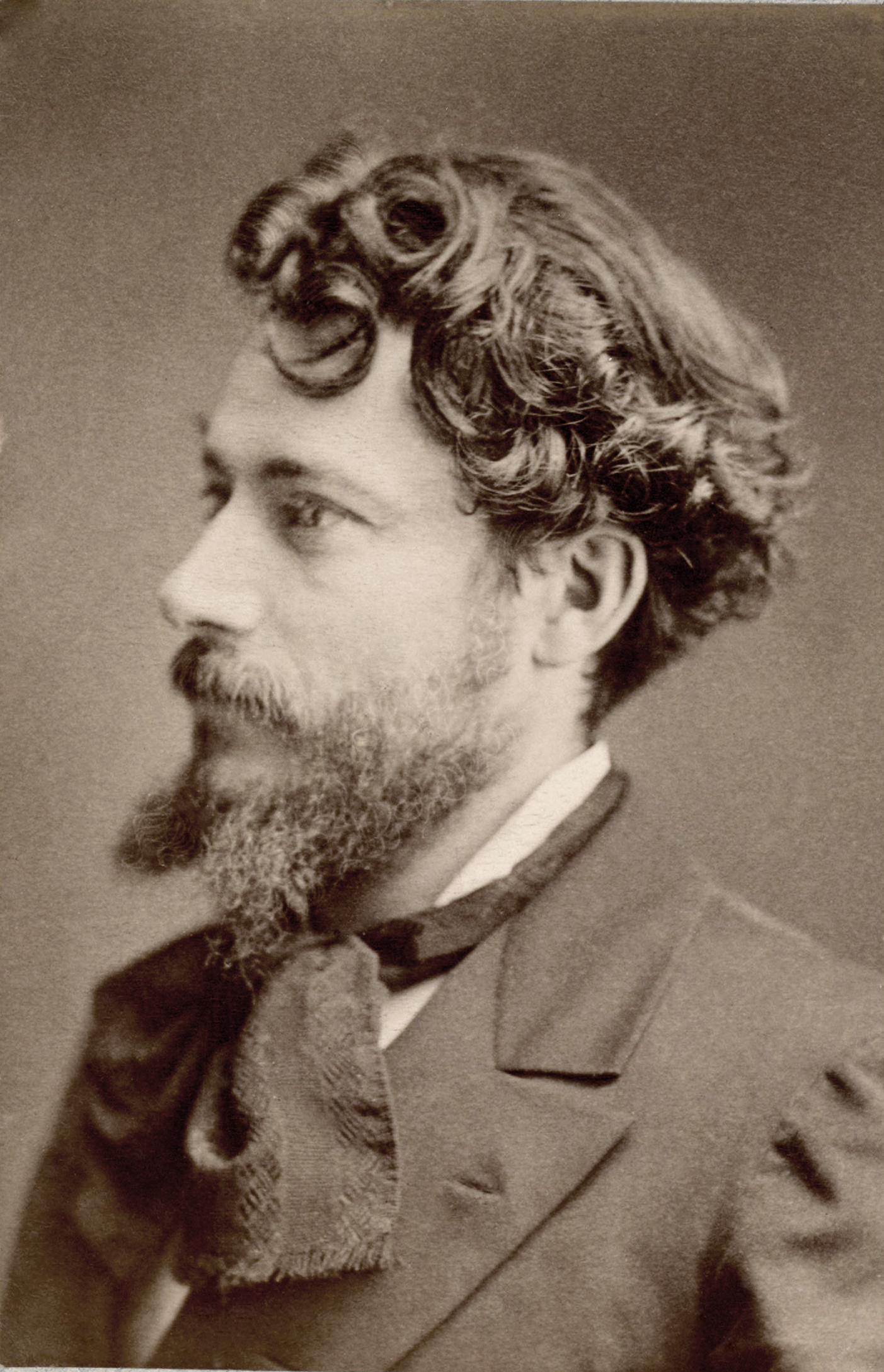
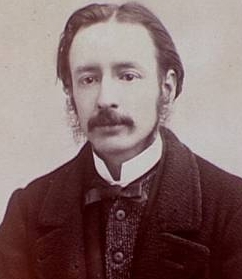
Paul Verlaine was a prominent French poet and critic, recognized as a leading figure of the Symbolist and Decadent movements. Born in Metz to a middle-class family, he developed a passion for the arts early in life, which culminated in his first collection, Poèmes saturniens, published in 1866. Verlaine's tumultuous relationship with the younger poet Arthur Rimbaud not only fueled his creative output but also sparked significant controversy, leading to a notorious incident where he shot Rimbaud, resulting in a prison sentence. This period of incarceration marked a turning point in his life, during which he returned to Catholicism and produced notable works such as Sagesse, Jadis et naguère, and Parallèlement. Verlaine's poetry is celebrated for its lyrical beauty and innovative use of language, characterized by musicality and emotional depth. His exploration of themes such as melancholy and introspection, combined with his mastery of metaphor and allegory, established him as a key figure in the evolution of modern poetry. Despite his struggles with mental health and substance abuse, Verlaine's influence extended beyond literature, inspiring contemporaries in various artistic fields, including Impressionist painters. His legacy as one of the archetypical poètes maudits solidified his place in literary history, ensuring that his work continues to resonate with readers and artists alike.
Famous Quotes
View all 3 quotes“Tears are shed in my heart like the rain on the town. ( Il pleure dans mon coeur Comme il pleut sur la ville. )”
“Your soul is a chosen landscape Where charming masked and costumed figures go Playing the lute and dancing and almost Sad beneath their fantastic disguises. All sing in a minor key Of all-conquering love and careless fortune They do not seem to believe in their happiness And their song mingles with the moonlight. The still moonlight, sad and beautiful, Which gives the birds to dream in the trees And makes the fountain sprays sob in ecstasy, The tall, slender fountain sprays among the marble statues.”
“Here are fruits, flowers, leaves and branches, and here is my heart which beats only for you.”
Books from the author

Link to this page
Add a free, dofollow link to Lex on your blog, forum, syllabus, or reading list.

<a href="https://lex-books.com/author/paul-verlaine"><img src="https://lex-books.com/badges/read-on-lex.svg" alt="Paul Verlaine on Lex" width="160" height="40"></a>[](https://lex-books.com/author/paul-verlaine)[url=https://lex-books.com/author/paul-verlaine][img]https://lex-books.com/badges/read-on-lex.svg[/img][/url]Paul Verlaine on Lex: https://lex-books.com/author/paul-verlaine