What would you like to read?Search books, authors, genres, shelves, users...
Search books, authors, genres, shelves, users...Search books, authors, genres, shelves, users...

What would you like to read?Search books, authors, genres, shelves, users...
Search books, authors, genres, shelves, users...Search books, authors, genres, shelves, users...
2 books
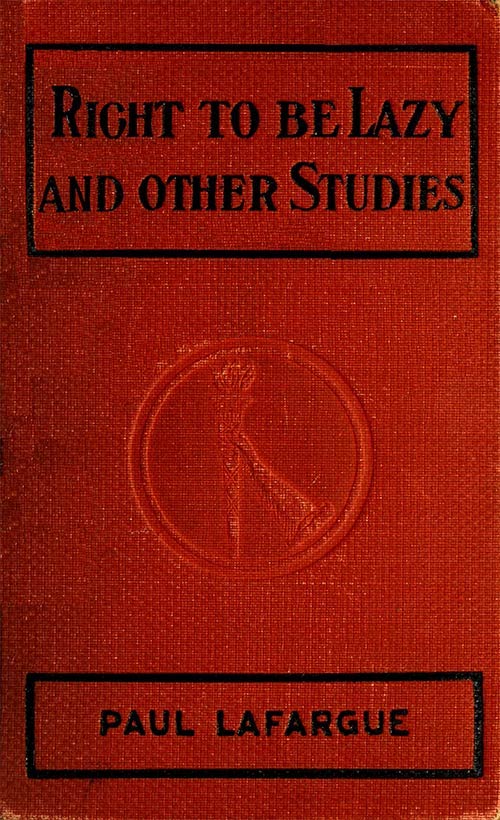
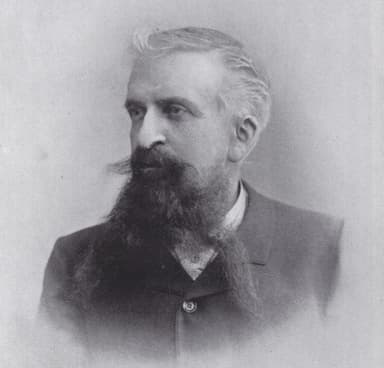
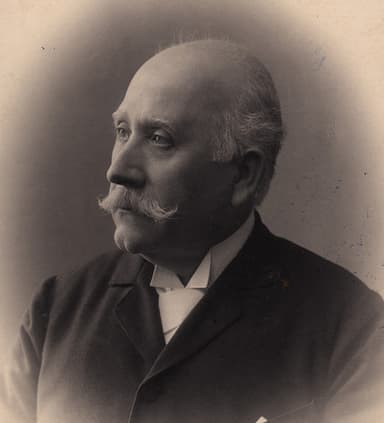
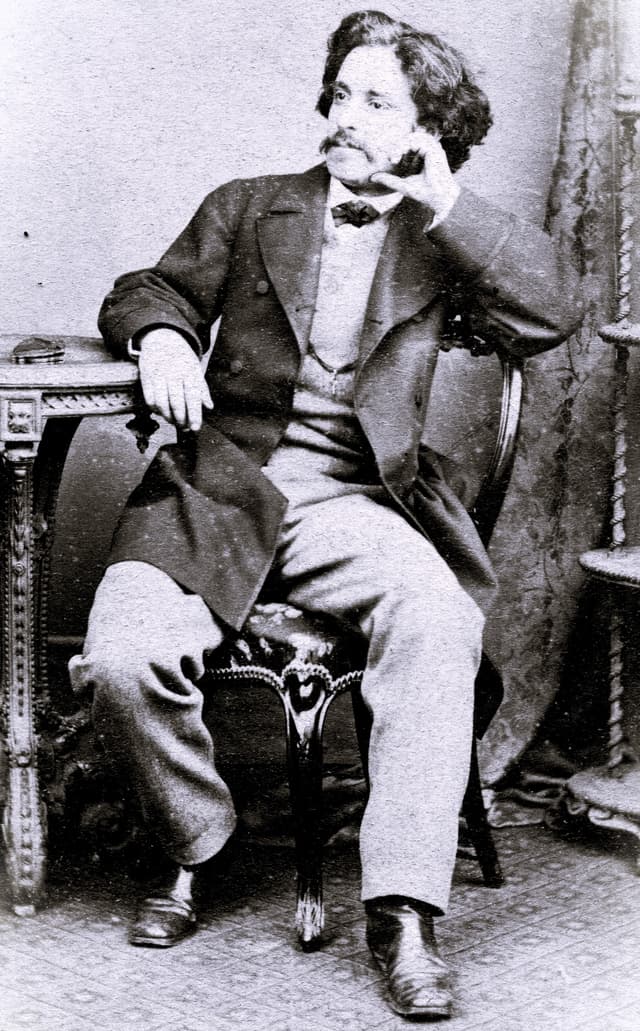
Paul Lafargue (/ləˈfɑːrɡ/; French: [lafaʁg]; 15 January 1842 – 25 November 1911) was a Cuban-born French political writer, economist, journalist, literary critic, and activist. His best known work is The Right to Be Lazy. Born in Cuba to French and Creole parents, Lafargue spent most of his life in France, with periods in England and Spain. He was Karl Marx's son-in-law, having married his second daughter, Laura. At the age of 69, he and 66-year-old Laura died together in a suicide pact. Lafargue was the subject of a famous quotation by Marx. Soon before Marx died in 1883, he wrote a letter to Lafargue and the French Workers' Party organizer Jules Guesde, both of whom already claimed to represent "Marxist" principles. Marx accused them of "revolutionary phrase-mongering" and of denying the value of reformist struggles. This exchange is the source of Marx's remark, reported by Friedrich Engels, "ce qu'il y a de certain c'est que moi, je ne suis pas Marxiste" ("If one thing is certain, I am not a Marxist").

Confronted with this double madness of the labourers killing themselves with over-production and vegetating in abstinence, the great problem of capitalist production is no longer to find producers and to multiply their powers but to discover consumers, to excite their appetites and create in them fictitious needs.
Work, work, proletarians, to increase social wealth and your individual poverty; work, work, in order that becoming poorer, you may have more reason to work and become miserable. Such is the inexorable law of capitalist production.
Confronted with this double madness of the labourers killing themselves with over-production and vegetating in abstinence, the great problem of capitalist production is no longer to find producers and to multiply their powers but to discover consumers, to excite their appetites and create in them fictitious needs.