
Michelangelo Buonarroti
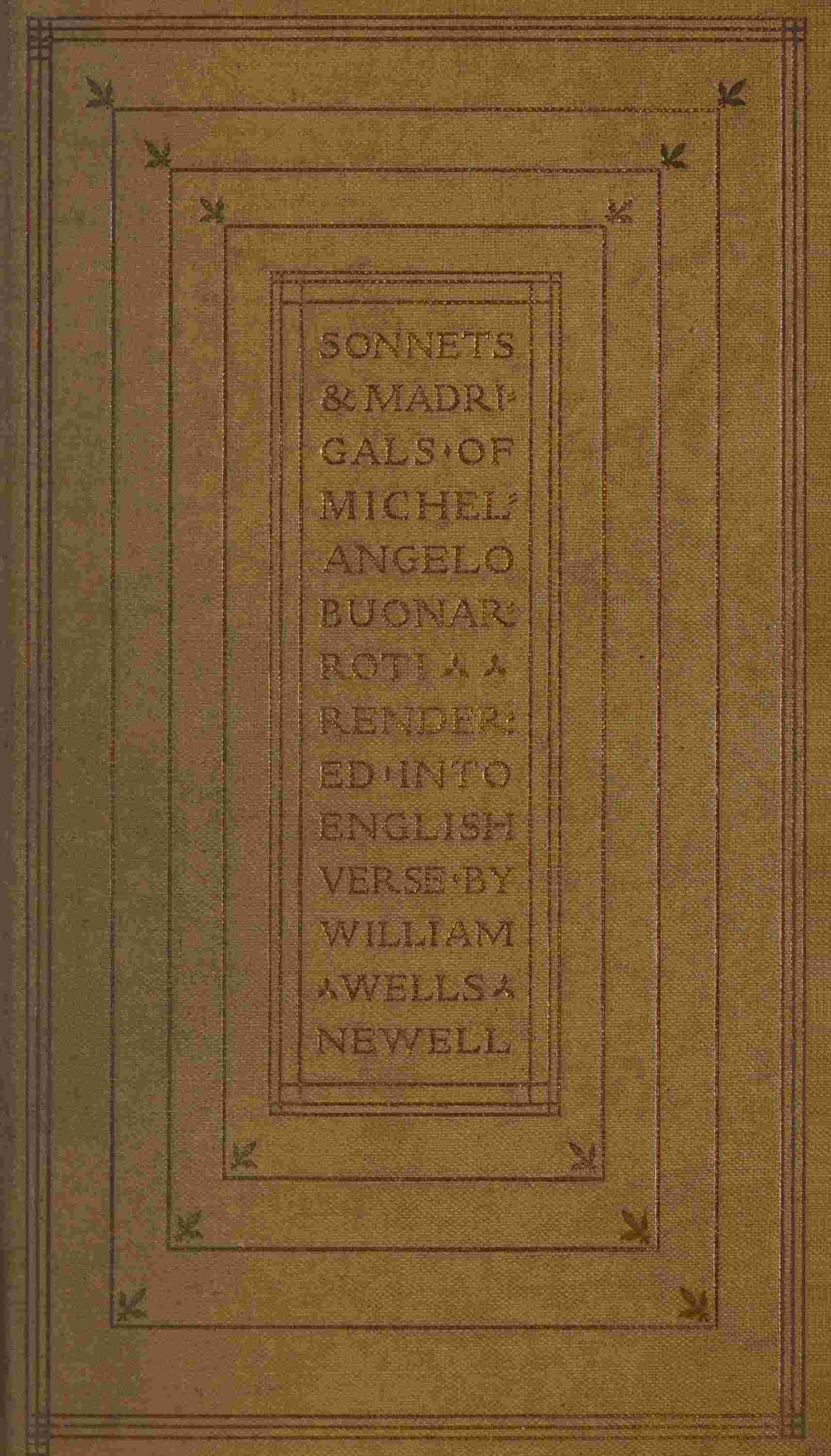
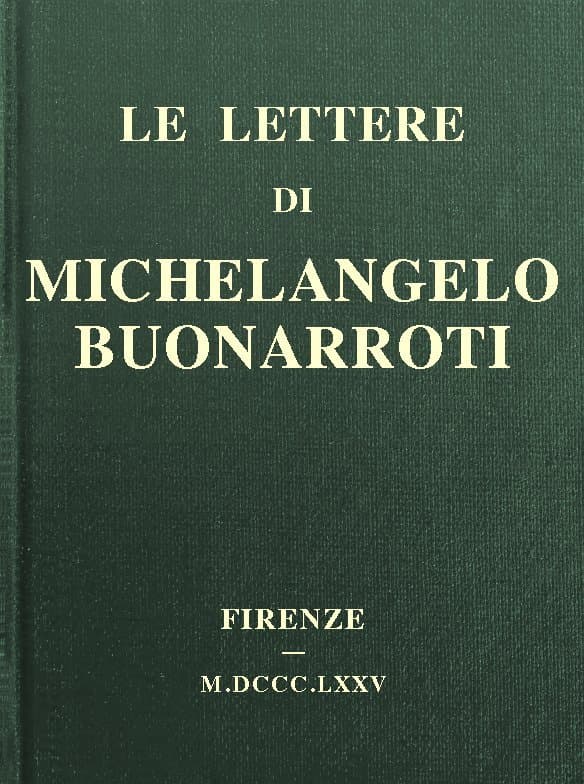
Michelangelo Buonarroti, commonly known simply as Michelangelo, was a towering figure of the Italian Renaissance, renowned not only for his sculptural masterpieces but also for his profound contributions to poetry. Born in Caprese, Italy, he displayed artistic talent from a young age, eventually becoming a master sculptor, painter, and architect. His most famous works include the statue of David and the breathtaking frescoes of the Sistine Chapel, which showcase his unparalleled skill in capturing the human form and emotion. However, Michelangelo's literary pursuits are equally significant, as he composed a substantial body of poetry that reflects his philosophical and spiritual concerns. His poetry, including collections such as "Sonnets and Madrigals of Michelangelo Buonarroti" and "Le Lettere Di Michelangelo Buonarroti," reveals a deeply introspective artist grappling with themes of love, beauty, and the divine. Through his sonnets, Michelangelo explored the complexities of human experience, often intertwining his artistic vision with his personal struggles and aspirations. His correspondence, as seen in "Le Lettere Di Michelangelo Buonarroti," provides insight into his thoughts on art, patronage, and the challenges he faced throughout his career. Michelangelo's literary legacy, though overshadowed by his visual art, remains a vital part of his overall contribution to the Renaissance, illustrating the interconnectedness of art and poetry during this transformative period in history. Michelangelo's influence extends beyond his lifetime, shaping the trajectory of Western art and literature. His ability to convey profound emotional depth through both visual and written forms has left an indelible mark on generations of artists and poets. Today, he is celebrated not only as a master of sculpture and painting but also as a significant literary figure whose works continue to resonate with readers and scholars alike.
Famous Quotes
View all 3 quotes“If people knew how hard I had to work to gain my mastery, it would not seem so wonderful at all.”
“The greater danger for most of us lies not in setting our aim too high and falling short; but in setting our aim too low, and achieving our mark.”
“If you knew how much work went into it, you wouldn't call it genius.”
Books from the author


Link to this page
Add a free, dofollow link to Lex on your blog, forum, syllabus, or reading list.

<a href="https://lex-books.com/author/michelangelo-buonarroti"><img src="https://lex-books.com/badges/read-on-lex.svg" alt="Michelangelo Buonarroti on Lex" width="160" height="40"></a>[](https://lex-books.com/author/michelangelo-buonarroti)[url=https://lex-books.com/author/michelangelo-buonarroti][img]https://lex-books.com/badges/read-on-lex.svg[/img][/url]Michelangelo Buonarroti on Lex: https://lex-books.com/author/michelangelo-buonarroti