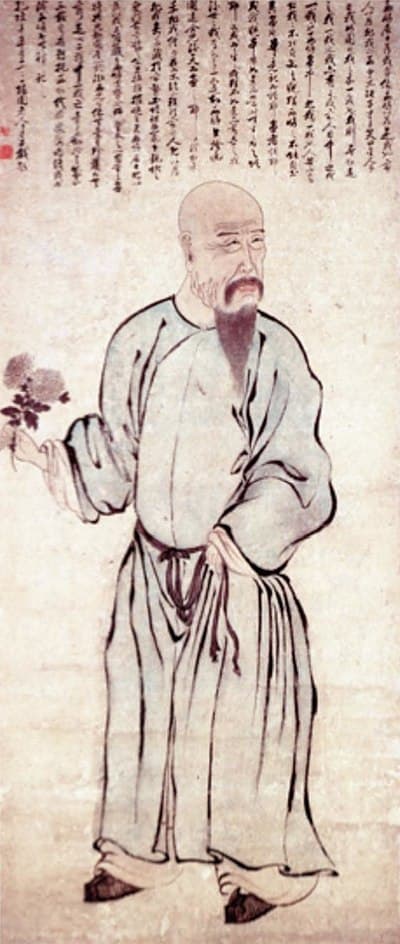
Mei Yuan
Mei Yuan was a prominent Chinese poet and scholar of the Qing dynasty, known for his contributions to classical Chinese literature. His poetry often reflected the beauty of nature and the changing seasons, drawing inspiration from the landscapes of Jiangsu province, particularly the renowned Plum Garden in Wuxi, which became a symbol of his work. Mei Yuan's verses celebrated the delicate beauty of plum blossoms, intertwining personal emotion with vivid imagery, which resonated deeply with the cultural ethos of his time. In addition to his poetry, Mei Yuan was also recognized for his scholarly pursuits, engaging in the study of Confucian texts and philosophy. His literary significance lies in his ability to blend traditional themes with personal reflection, making his work both accessible and profound. His legacy endures in the appreciation of nature within Chinese poetry, influencing subsequent generations of poets who sought to capture the essence of their surroundings through verse. Mei Yuan's contributions to literature and his role in the cultural landscape of Qing dynasty China solidified his place as a notable figure in the history of Chinese literature.
Famous Quotes
View all 3 quotes“There is a difference between dining and eating. Dining is an art. When you eat to get most out of your meal, to please the palate, just as well as to satiate the appetite, that,my friend, is dining.””
“To learn to be without desire you must desire that.Better to do as you please: sing idleness.Floating clouds, and water idly running -- Where's their source?In all the vastness of the sea and sky,you'll never find it.””
“A month alone behind closed doorsforgotten books, remembered, clear again.Poems come, like water to the poolWelling, up and out,from perfect silence””
Books from the author



Link to this page
Add a free, dofollow link to Lex on your blog, forum, syllabus, or reading list.

<a href="https://lex-books.com/author/mei-yuan"><img src="https://lex-books.com/badges/read-on-lex.svg" alt="Mei Yuan on Lex" width="160" height="40"></a>[](https://lex-books.com/author/mei-yuan)[url=https://lex-books.com/author/mei-yuan][img]https://lex-books.com/badges/read-on-lex.svg[/img][/url]Mei Yuan on Lex: https://lex-books.com/author/mei-yuan