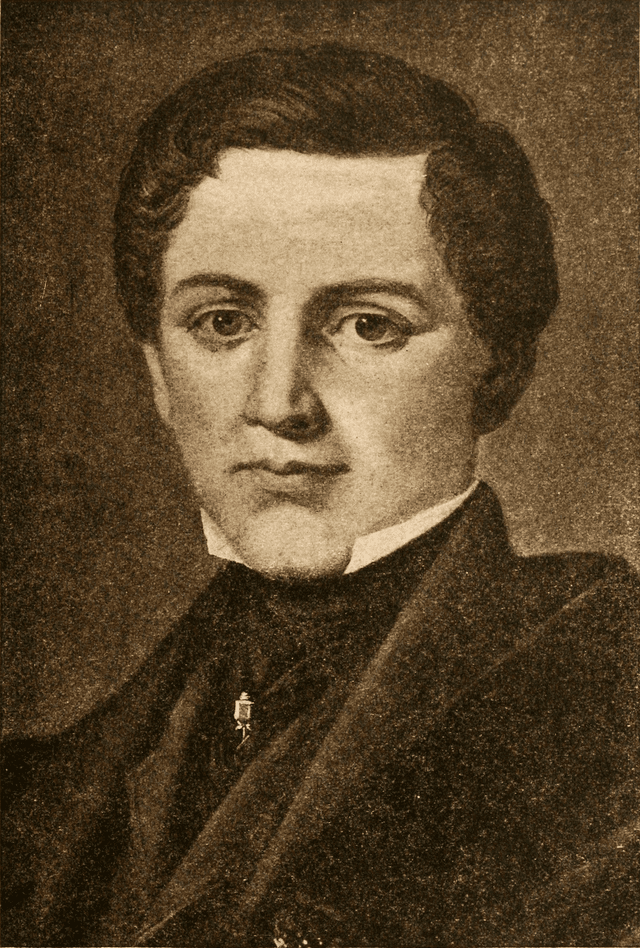
Wilhelm Hauff
Wilhelm Hauff was a German poet and novelist whose brief life left a lasting impact on the literary landscape of his time. Raised in Stuttgart and educated in Tübingen, Hauff developed a flair for storytelling that combined elements of the fantastic with rich German cultural settings. His most notable works include the enchanting fairy tales 'Der kleine Muck' (Little Muck) and 'Das kalte Herz' (Heart of Stone), which showcase his ability to weave moral lessons into captivating narratives. Additionally, he penned the historical romance 'Lichtenstein' and the satirical 'Der Mann im Mond' (The Man in the Moon), demonstrating his versatility as a writer. Despite his untimely death at the age of 24 from typhoid fever, Hauff's stories have endured, particularly in German-speaking countries, where they continue to be cherished for their imaginative qualities and moral depth. His blending of exotic and fantastical elements with familiar German themes not only entertained readers but also influenced the fairy tale genre, paving the way for future writers. Hauff's legacy is marked by his ability to capture the imagination and convey profound truths through the lens of fantasy, securing his place in the canon of German literature.
Famous Quotes
View all 2 quotes“A poézis nálunk olyan közlegelő, amelyen körbemászkálhat minden marha, s kedve szerint zabálhatja a füvet és a virágokat.”
“Egyetlen dolog hiányzott boldogságunkhoz: nem voltunk boldogtalanok.”
Books from the author





Link to this page
Add a free, dofollow link to Lex on your blog, forum, syllabus, or reading list.

<a href="https://lex-books.com/author/wilhelm-hauff"><img src="https://lex-books.com/badges/read-on-lex.svg" alt="Wilhelm Hauff on Lex" width="160" height="40"></a>[](https://lex-books.com/author/wilhelm-hauff)[url=https://lex-books.com/author/wilhelm-hauff][img]https://lex-books.com/badges/read-on-lex.svg[/img][/url]Wilhelm Hauff on Lex: https://lex-books.com/author/wilhelm-hauff