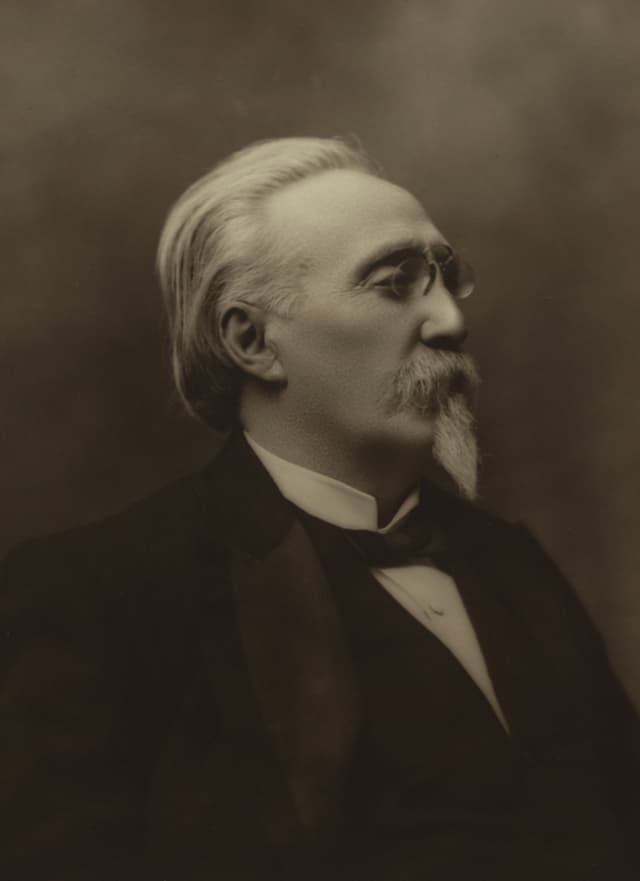
Manuel de Arriaga
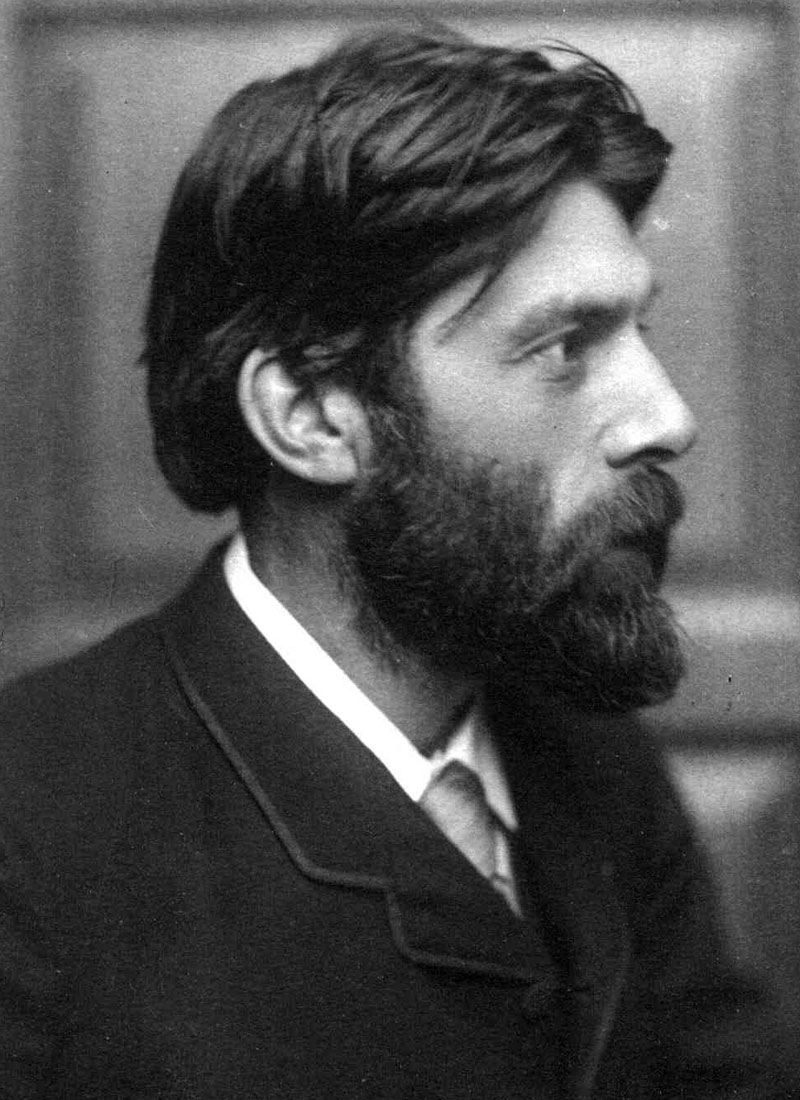
Manuel José de Arriaga Brum da Silveira e Peyrelongue was a pivotal figure in early 20th-century Portuguese politics, serving as the first president of the First Portuguese Republic from 1911 to 1915. A trained lawyer, Arriaga was instrumental in the establishment of the republic following the deposition of King Manuel II in 1910. His tenure as president was marked by efforts to stabilize the new government amidst political turmoil and social change in Portugal. He also held the position of the first attorney-general, showcasing his commitment to the rule of law during a transformative period in the nation’s history. Arriaga's presidency was characterized by challenges, including internal conflicts and the need to forge a cohesive national identity in the wake of monarchy. His leadership laid the groundwork for future republican governance in Portugal, influencing subsequent political developments. Although his presidency ended in resignation, his role as a founding figure of the republic remains significant in Portuguese history, symbolizing the shift from monarchy to a republican form of government and the complexities involved in that transition.
Books from the author


Link to this page
Add a free, dofollow link to Lex on your blog, forum, syllabus, or reading list.

<a href="https://lex-books.com/author/manuel-de-arriaga"><img src="https://lex-books.com/badges/read-on-lex.svg" alt="Manuel de Arriaga on Lex" width="160" height="40"></a>[](https://lex-books.com/author/manuel-de-arriaga)[url=https://lex-books.com/author/manuel-de-arriaga][img]https://lex-books.com/badges/read-on-lex.svg[/img][/url]Manuel de Arriaga on Lex: https://lex-books.com/author/manuel-de-arriaga