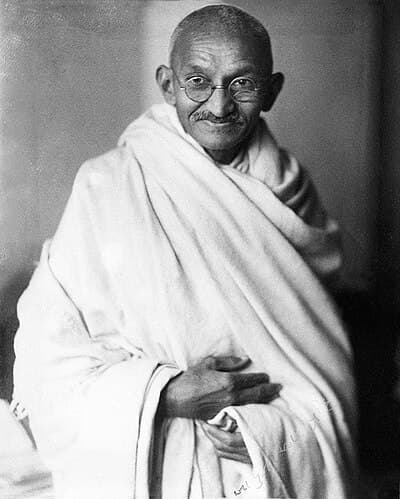
Mahatma Gandhi
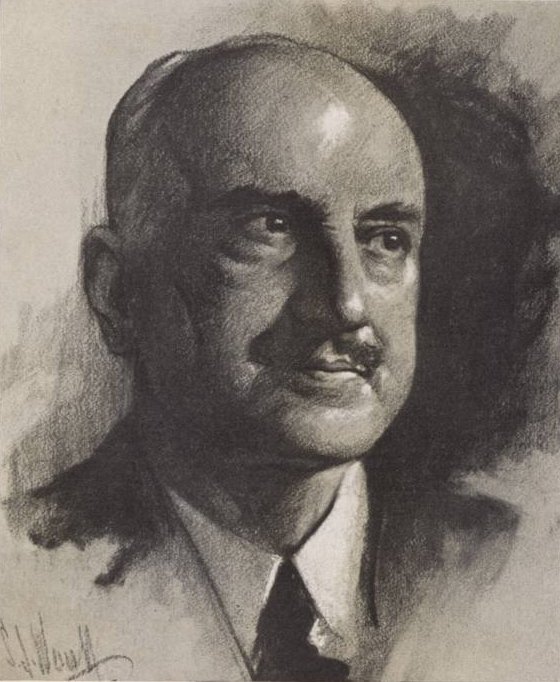
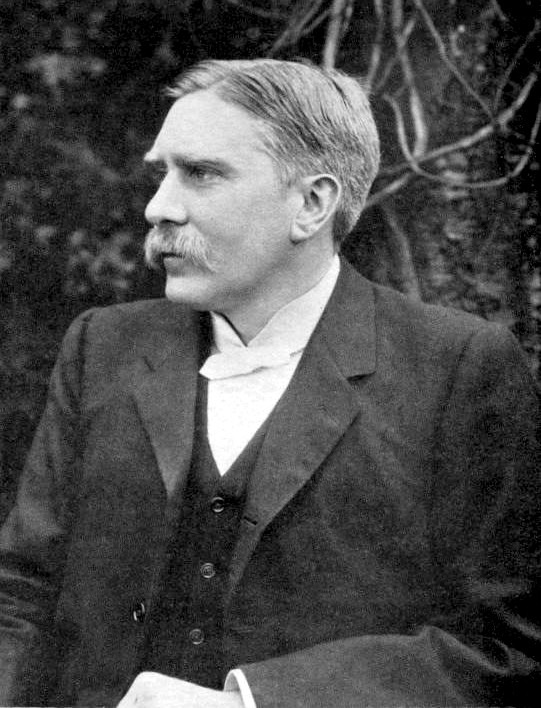
Mohandas Karamchand Gandhi, known as Mahatma Gandhi, was an influential Indian lawyer and anti-colonial activist who became a pivotal figure in the struggle for India's independence from British rule. Born in Gujarat, he trained in law in London before moving to South Africa, where he first employed nonviolent resistance to fight for civil rights. His experiences there shaped his philosophy of satyagraha, or truth-force, which he later applied in India to mobilize the masses against colonial oppression. Returning to India in 1915, Gandhi became a leader of the Indian National Congress and spearheaded various campaigns aimed at alleviating poverty, promoting women's rights, and fostering communal harmony, all while advocating for self-rule or swaraj. Gandhi's approach to activism was marked by his commitment to nonviolence and simplicity, symbolized by his adoption of the handwoven dhoti. His leadership during events like the Dandi Salt March in 1930 and the Quit India Movement in 1942 galvanized millions of Indians to challenge British authority. Despite facing imprisonment and personal sacrifice, Gandhi's unwavering dedication to his principles left an indelible mark on the Indian independence movement and inspired civil rights movements worldwide. His legacy as a champion of nonviolent resistance continues to influence social justice movements across the globe.
Famous Quotes
View all 3 quotes“Be the change that you wish to see in the world.”
“Live as if you were to die tomorrow. Learn as if you were to live forever.”
“An eye for an eye will only make the whole world blind.”
Books from the author




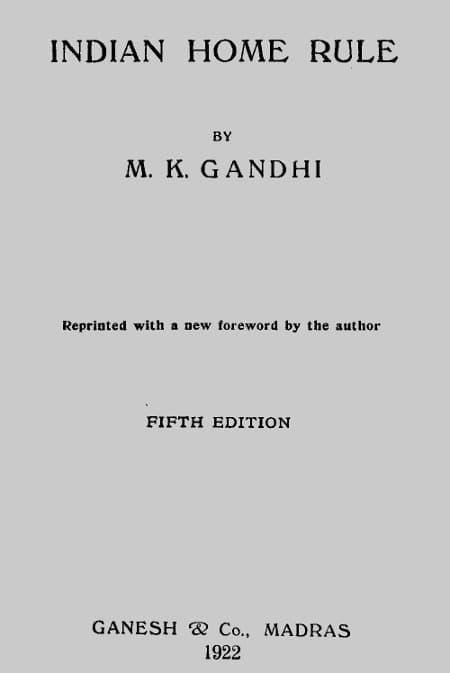
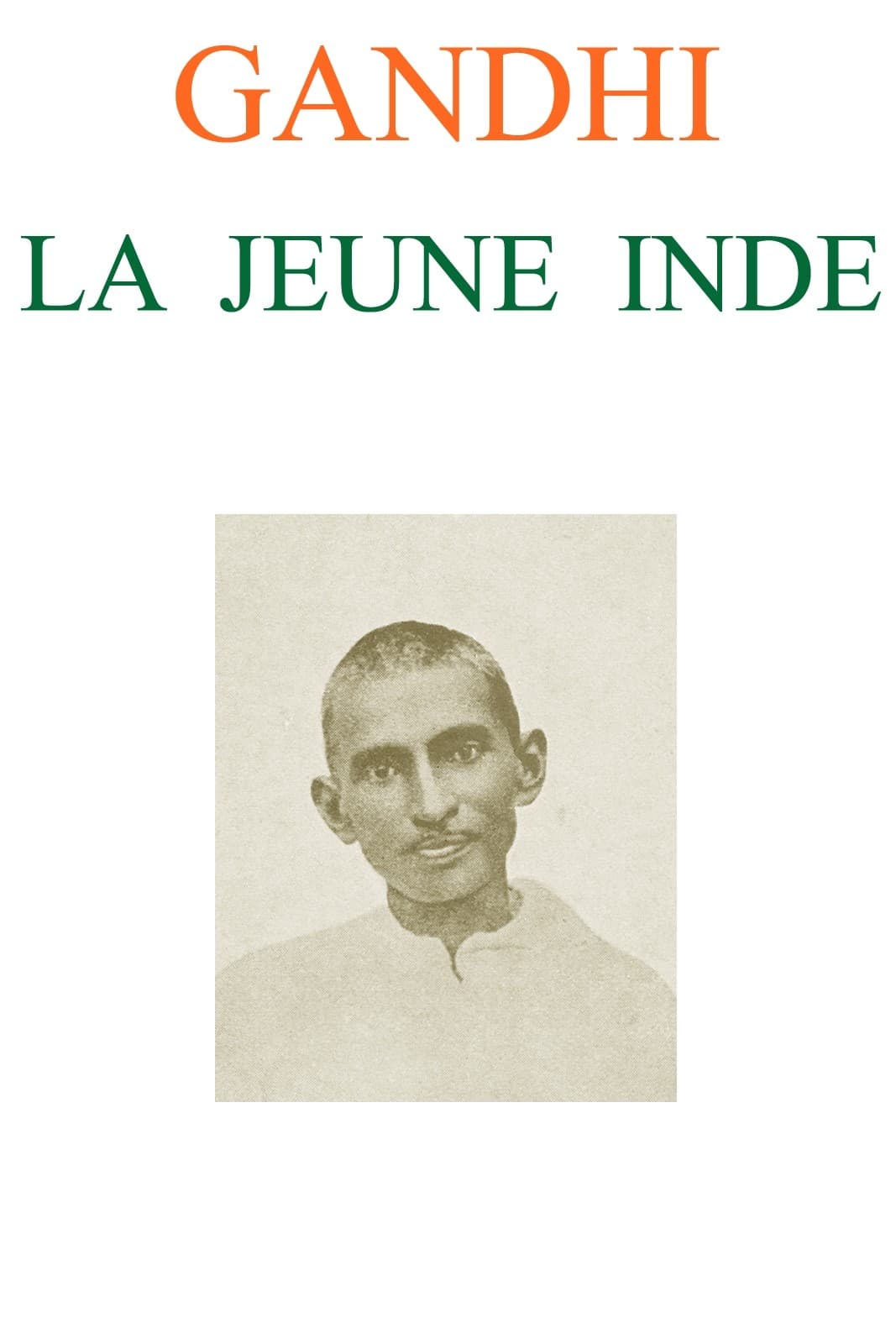





Link to this page
Add a free, dofollow link to Lex on your blog, forum, syllabus, or reading list.

<a href="https://lex-books.com/author/mahatma-gandhi"><img src="https://lex-books.com/badges/read-on-lex.svg" alt="Mahatma Gandhi on Lex" width="160" height="40"></a>[](https://lex-books.com/author/mahatma-gandhi)[url=https://lex-books.com/author/mahatma-gandhi][img]https://lex-books.com/badges/read-on-lex.svg[/img][/url]Mahatma Gandhi on Lex: https://lex-books.com/author/mahatma-gandhi