The Wheel of Fortune
1922
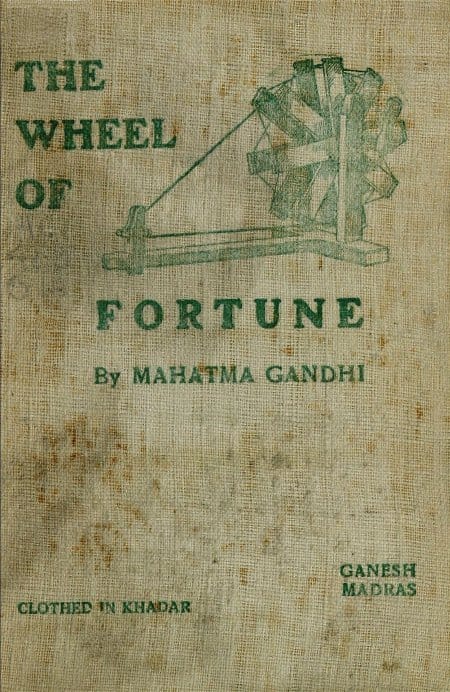
The Wheel of Fortune
1922
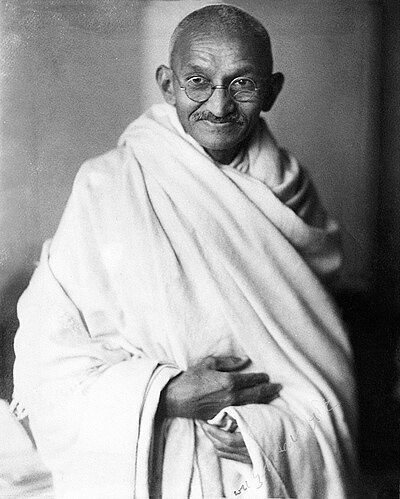
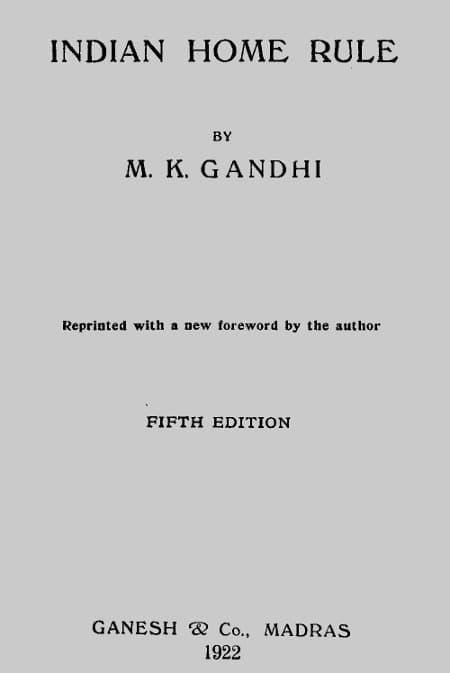
The Wheel of Fortune, published in 1922 by Mahatma Gandhi, is a philosophical treatise advocating for Indian self-sufficiency through traditional handicrafts, particularly hand-spinning and weaving. Gandhi critiques modern industrial civilization, arguing that simplicity and self-reliance are essential for India's struggle for self-rule (Swaraj). He presents the spinning wheel as a symbol of empowerment and economic resilience, calling on Indians to embrace traditional production methods to combat poverty and foster national solidarity. The text reflects Gandhi's vision for a new societal paradigm focused on cultural roots and personal regeneration.
Editions
Link to this book
Add a free, dofollow link to Lex on your blog, forum, syllabus, or reading list.

<a href="https://lex-books.com/book/the-wheel-of-fortune-f40f0d7e-fddf-4bd5-8924-54f3f8deaf5d"><img src="https://lex-books.com/badges/read-on-lex.svg" alt="Read The Wheel of Fortune by Mahatma Gandhi free on Lex" width="160" height="40"></a>[](https://lex-books.com/book/the-wheel-of-fortune-f40f0d7e-fddf-4bd5-8924-54f3f8deaf5d)[url=https://lex-books.com/book/the-wheel-of-fortune-f40f0d7e-fddf-4bd5-8924-54f3f8deaf5d][img]https://lex-books.com/badges/read-on-lex.svg[/img][/url]Read The Wheel of Fortune by Mahatma Gandhi free on Lex: https://lex-books.com/book/the-wheel-of-fortune-f40f0d7e-fddf-4bd5-8924-54f3f8deaf5dCite this book
Reading this edition for a paper or guide? Copy a citation.
Gandhi, Mahatma. The Wheel of Fortune. Lex, lex-books.com/book/the-wheel-of-fortune-f40f0d7e-fddf-4bd5-8924-54f3f8deaf5d.Gandhi, M. (1922). The Wheel of Fortune. Lex. https://lex-books.com/book/the-wheel-of-fortune-f40f0d7e-fddf-4bd5-8924-54f3f8deaf5dGandhi, Mahatma. The Wheel of Fortune. Lex. https://lex-books.com/book/the-wheel-of-fortune-f40f0d7e-fddf-4bd5-8924-54f3f8deaf5d.