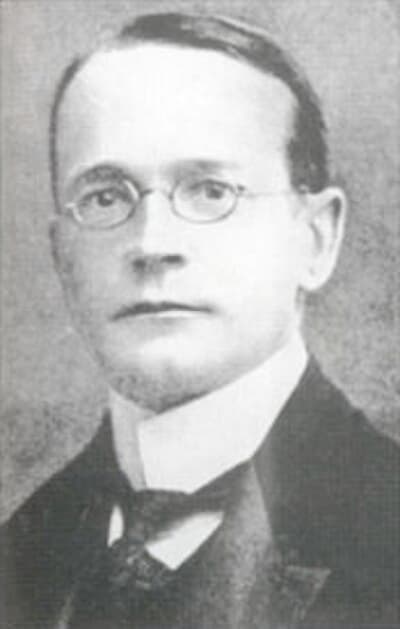
Joseph McCabe
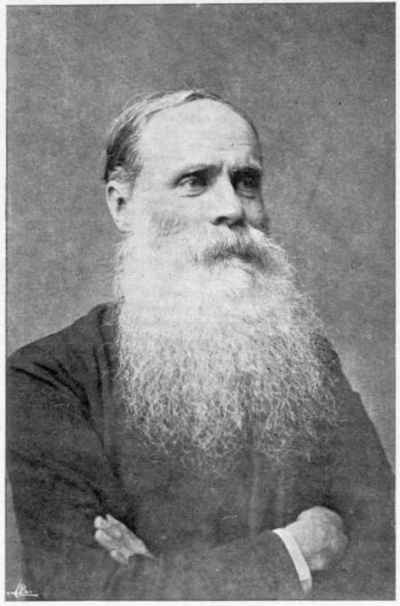
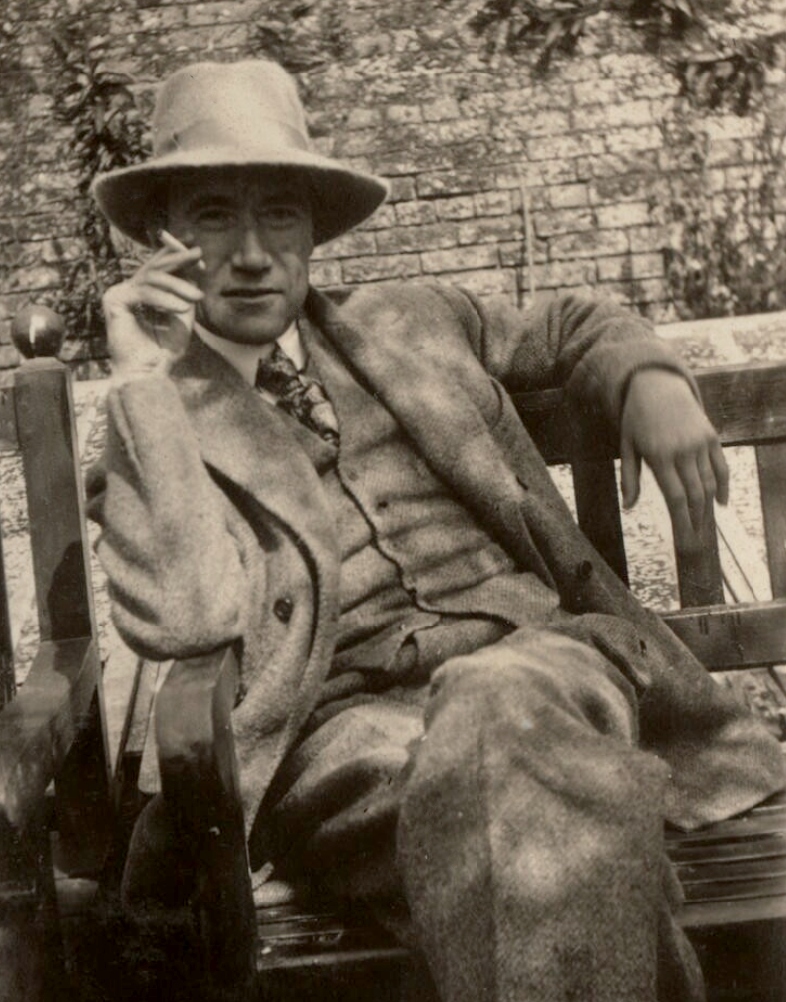
Joseph McCabe was an influential English writer and speaker known for his advocacy of freethought and secularism. Initially a Roman Catholic priest, he underwent a profound transformation that led him to become a vocal critic of the Catholic Church and organized religion. McCabe's writings and lectures positioned him as a prominent figure in the freethought movement in England, where he became associated with organizations like the Rationalist Association and the National Secular Society. His work often challenged the foundations of Christianity, presenting rationalist critiques that sought to promote a more secular worldview. Throughout his career, McCabe authored numerous books and articles that addressed various aspects of religion, philosophy, and ethics. His notable works include 'The Religion of Humanity' and 'The Truth About Religion', where he articulated his views on the importance of reason and ethical living outside the confines of traditional religious beliefs. McCabe's legacy lies in his role as a precursor to modern secular humanism, as he championed the idea that morality and meaning could be derived from human experience rather than divine authority. His contributions to the discourse on religion and rationalism continue to resonate in contemporary discussions on faith and ethics.
Famous Quotes
View all 3 quotes“The theist and the scientist are rival interpreters of nature, the one retreats as the other advances.”
“A law of nature is not a formula drawn up by a legislator, but a mere summary of the observed facts — a 'bundle of facts.' Things do not act in a particular way because there is a law, but we state the 'law' because they act in that way.”
“The sentiments attributed to Christ are in the Old Testament. They were familiar in the Jewish schools and to all the Pharisees, long before the time of Christ, as they were familiar in all the civilizations of the earth — Egyptian, Babylonian, and Persian, Greek, and Hindu.”
Books from the author
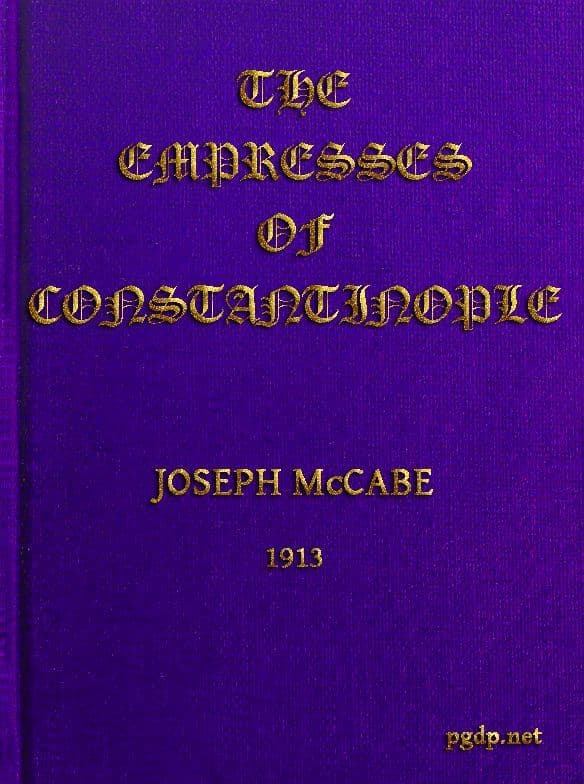

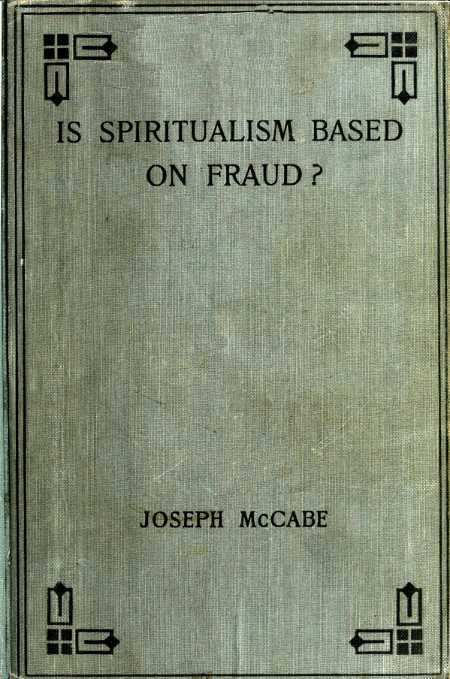
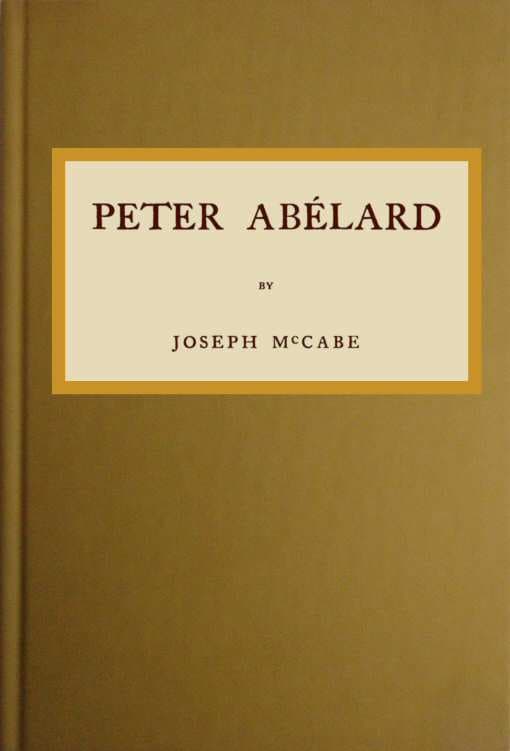
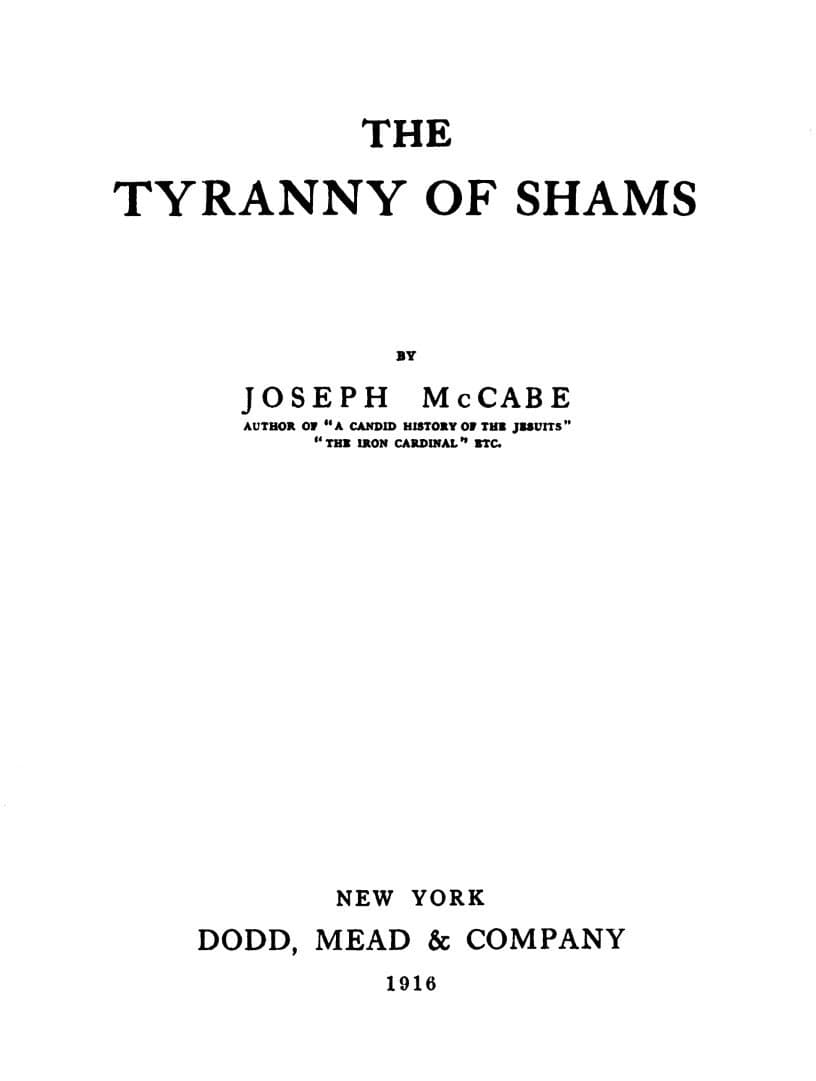



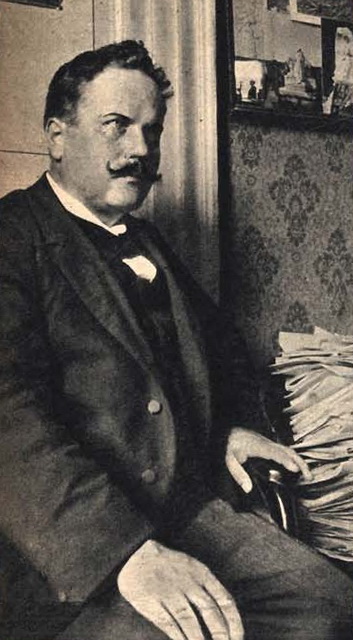
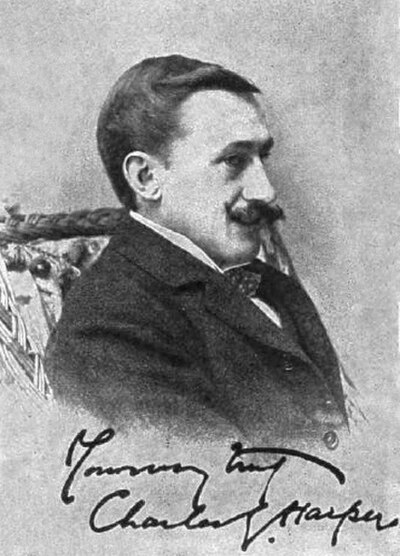

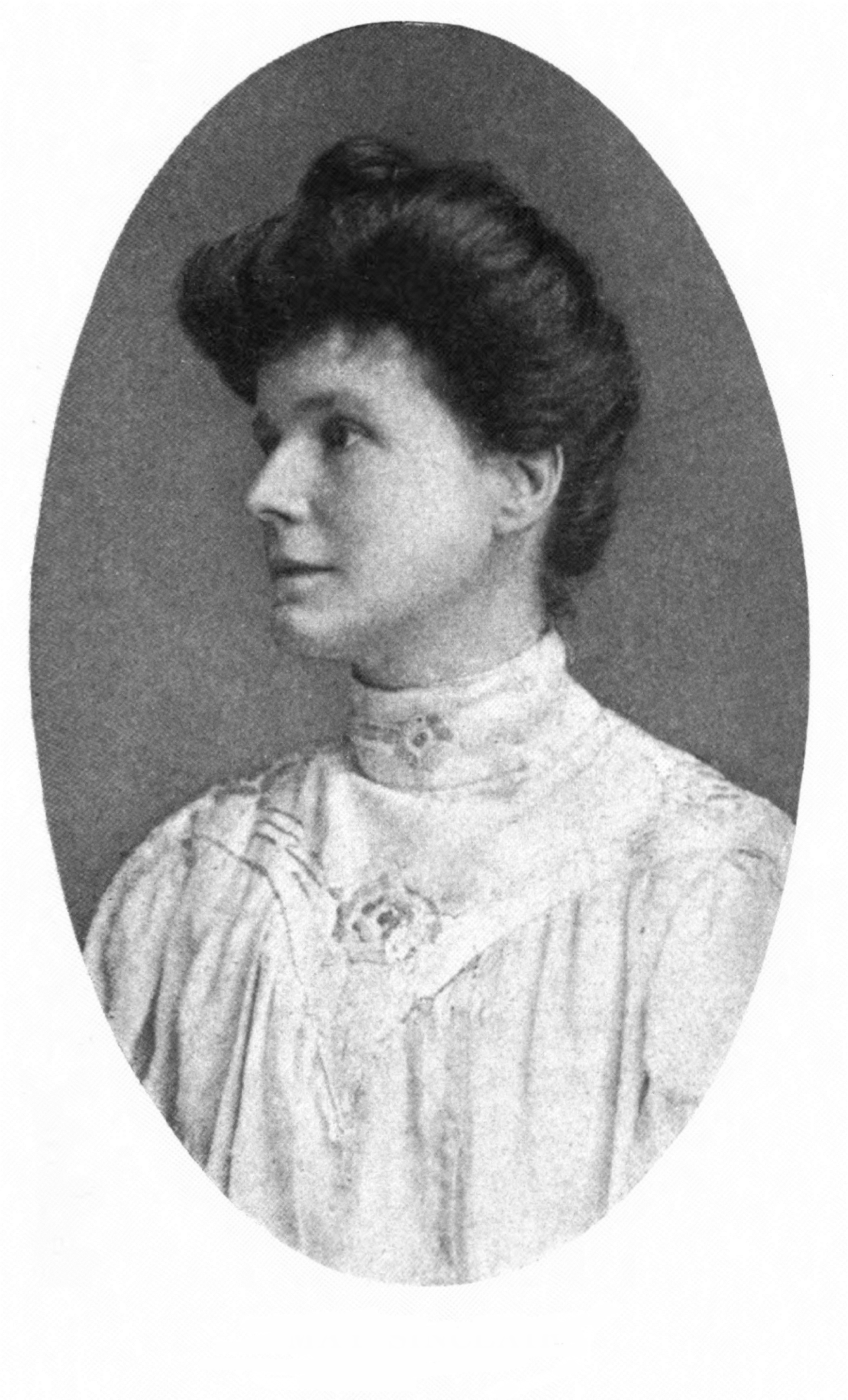
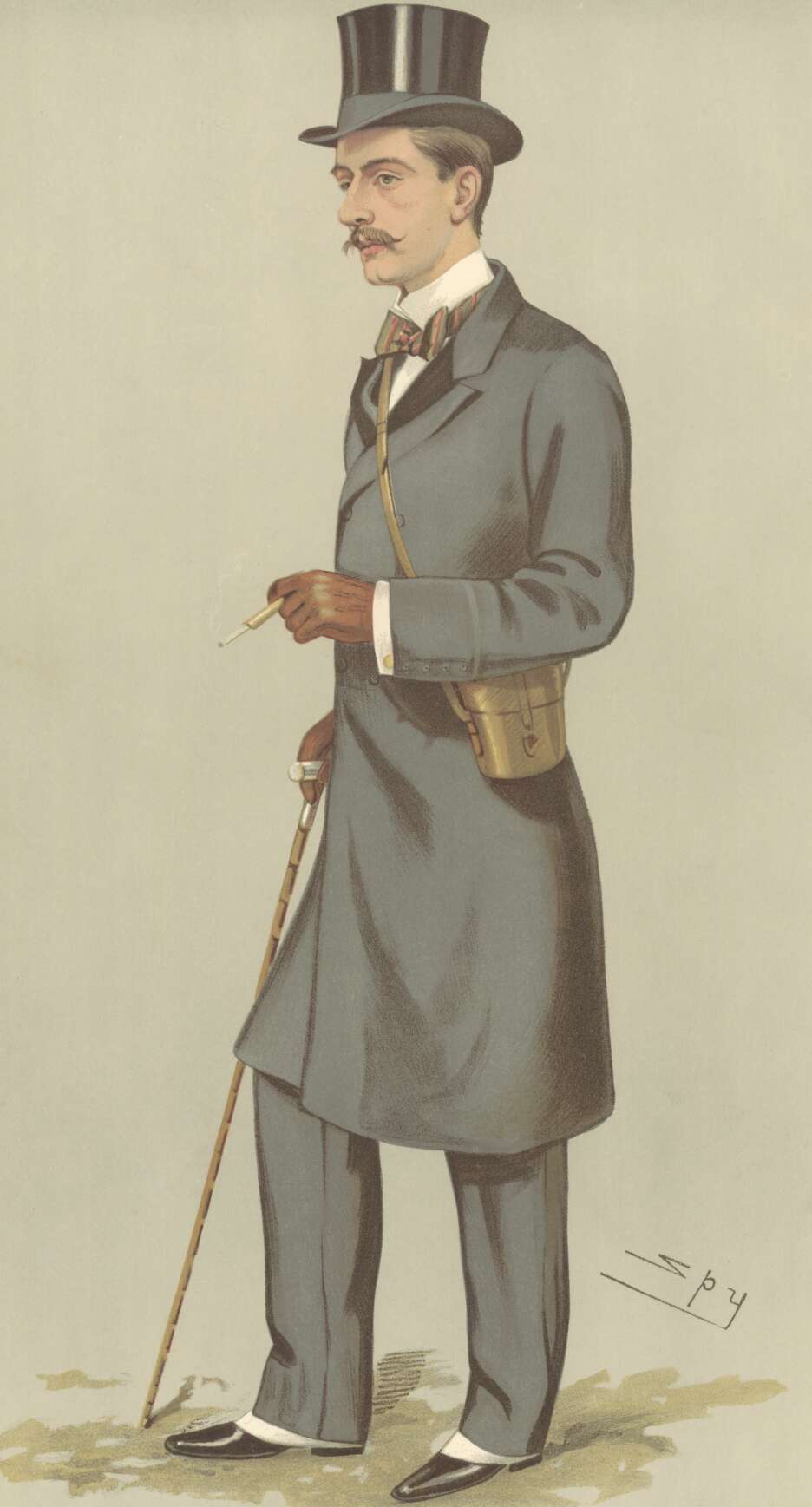

Link to this page
Add a free, dofollow link to Lex on your blog, forum, syllabus, or reading list.

<a href="https://lex-books.com/author/joseph-mccabe"><img src="https://lex-books.com/badges/read-on-lex.svg" alt="Joseph McCabe on Lex" width="160" height="40"></a>[](https://lex-books.com/author/joseph-mccabe)[url=https://lex-books.com/author/joseph-mccabe][img]https://lex-books.com/badges/read-on-lex.svg[/img][/url]Joseph McCabe on Lex: https://lex-books.com/author/joseph-mccabe