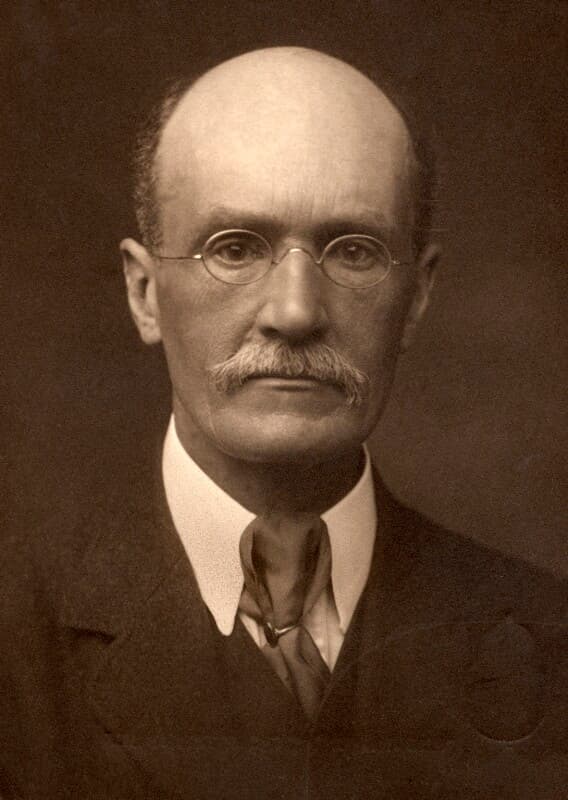
Gilbert Murray
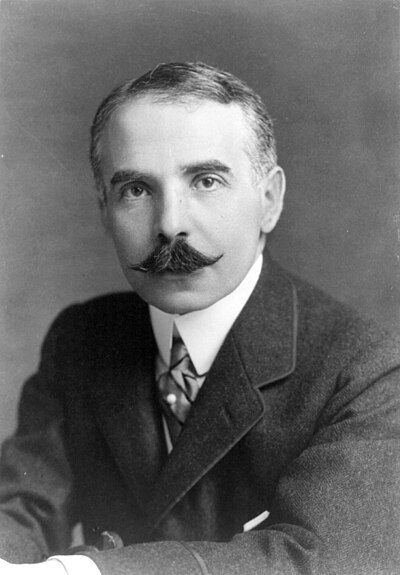
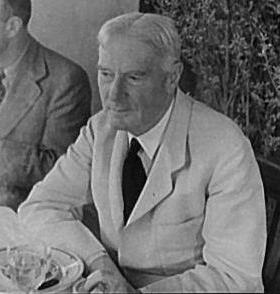
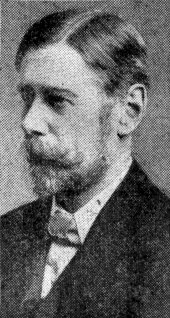
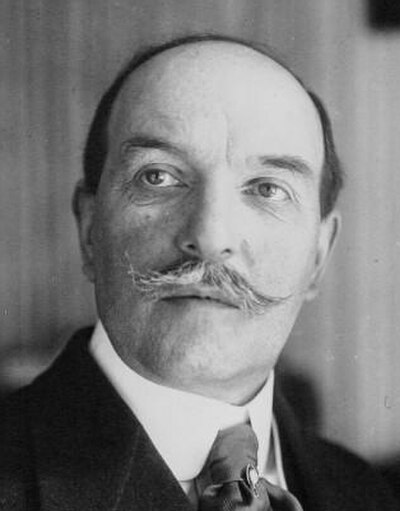
George Gilbert Aimé Murray was an influential Australian-born British classical scholar and public intellectual, renowned for his expertise in Ancient Greek language and culture. He held the prestigious position of Regius Professor of Greek at the University of Oxford from 1908 to 1936, during which he became one of the foremost authorities on Greek literature and philosophy in the early twentieth century. His scholarly contributions included translations and interpretations of classical texts, which helped to make ancient Greek thought accessible to a broader audience. Murray's academic work not only enriched the field of classical studies but also influenced contemporary literature, as evidenced by his portrayal in George Bernard Shaw's play Major Barbara, where he inspired the character Adolphus Cusins. Beyond his academic achievements, Murray was a prominent figure in the humanist movement and served as President of the Ethical Union from 1929 to 1930. His commitment to social issues extended to his involvement with the League of Nations Society, where he advocated for international cooperation and peace. Murray's legacy is further cemented by his participation in the inaugural World Humanist Congress in 1952, which laid the groundwork for Humanists International. He passed away in Oxford in 1957, and his ashes were interred in Poets' Corner at Westminster Abbey, a testament to his lasting impact on both scholarship and public life.
Famous Quotes
View all 3 quotes“Ten thousand men possess ten thousand hopes. A few bear fruit in happiness; the others go awry. But he who garners day by day the good life, he is happiest.”
“Things of a day! what are we and what not? A dream of a shaddow is man; yet when some god-given splendor falls, a glory of light comes over him and his life is sweet (Pindar)”
“Be careful in dealing with a man who cares nothing for sensual pleasures, nothing for comfort or praise or promotion, but is simply determined to do what he believes to be right. He is a dangerous and uncomfortable enemy because his body which you can always conquer gives you so little purchase over his soul.”
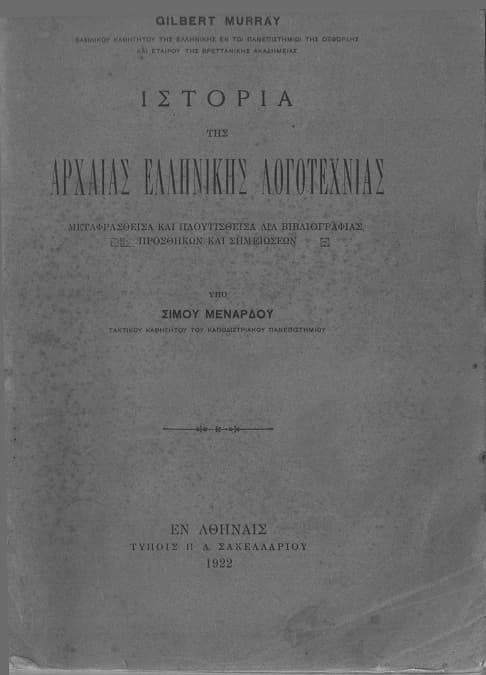
Books from the author

Link to this page
Add a free, dofollow link to Lex on your blog, forum, syllabus, or reading list.

<a href="https://lex-books.com/author/gilbert-murray"><img src="https://lex-books.com/badges/read-on-lex.svg" alt="Gilbert Murray on Lex" width="160" height="40"></a>[](https://lex-books.com/author/gilbert-murray)[url=https://lex-books.com/author/gilbert-murray][img]https://lex-books.com/badges/read-on-lex.svg[/img][/url]Gilbert Murray on Lex: https://lex-books.com/author/gilbert-murray