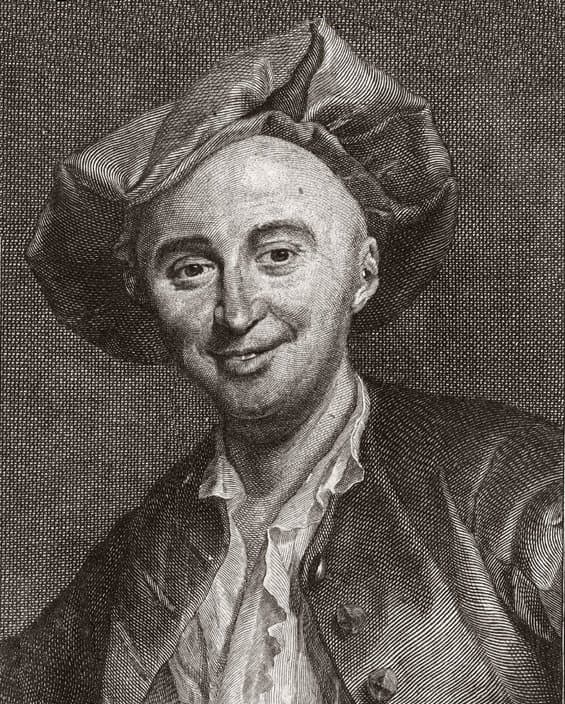
Julien Offray de La Mettrie
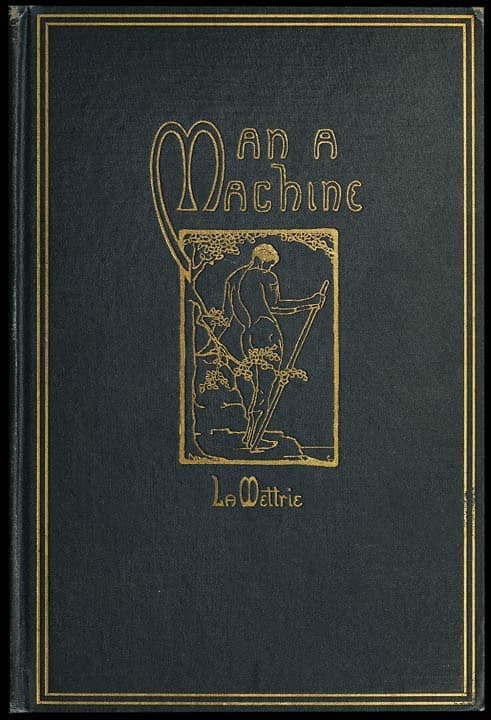
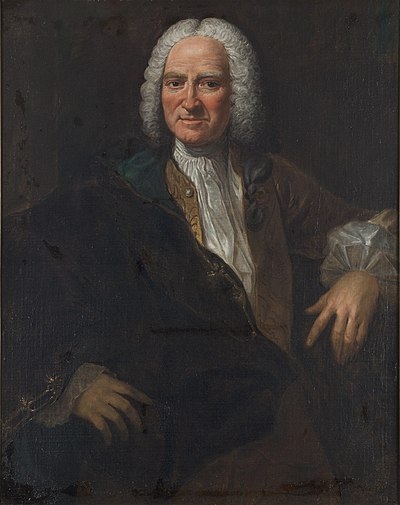
Julien Offray de La Mettrie was a pioneering French physician and philosopher, recognized as one of the foremost materialists of the Enlightenment. Born in 1709, he challenged prevailing notions of the human soul and consciousness through his groundbreaking work, 'L'homme machine' (Man a Machine), published in 1747. In this influential text, La Mettrie argued that humans are complex animals, devoid of any unique spiritual essence, and proposed that the mind is intrinsically linked to the body. This radical perspective positioned him at the forefront of philosophical discourse, emphasizing a hedonistic approach to life that prioritized the pursuit of pleasure. La Mettrie's ideas were met with significant controversy, leading him to flee France due to the backlash against his views. He eventually settled in Berlin, where he continued to engage with Enlightenment thinkers. His contributions to materialist philosophy and the understanding of human nature have left a lasting impact, influencing later philosophers and the development of modern scientific thought. La Mettrie's legacy endures as a key figure in the evolution of Enlightenment philosophy, challenging the boundaries between mind and body and advocating for a life centered on sensory experience and enjoyment.
Famous Quotes
View all 3 quotes“Man is so complicated a machine that it is impossible to get a clear idea of the machine beforehand, and hence impossible to define it. For this reason, all the investigations have been vain, which the greatest philosophers have made à priori, that is to to say, in so far as they use, as it were, the wings of the spirit. Thus it is only à posteriori or by trying to disentangle the soul from the organs of the body, so to speak, that one can reach the highest probability concerning man's own nature, even though one can not discover with certainty what his nature is.”
“Therefore, since we may say, after such long experience, that religion does not imply exact honesty, we are authorized by the same reasons to think that atheism does not exclude it.”
“It is imagination again which adds the piquant charm of voluptuousness to the tenderness of an amorous heart; which makes tenderness bud in the study of the philosopher and of the dusty pedant, which, in a word, creates scholars as well as orators and poets.”
Books from the author


Link to this page
Add a free, dofollow link to Lex on your blog, forum, syllabus, or reading list.

<a href="https://lex-books.com/author/julien-offray-de-la-mettrie"><img src="https://lex-books.com/badges/read-on-lex.svg" alt="Julien Offray de La Mettrie on Lex" width="160" height="40"></a>[](https://lex-books.com/author/julien-offray-de-la-mettrie)[url=https://lex-books.com/author/julien-offray-de-la-mettrie][img]https://lex-books.com/badges/read-on-lex.svg[/img][/url]Julien Offray de La Mettrie on Lex: https://lex-books.com/author/julien-offray-de-la-mettrie