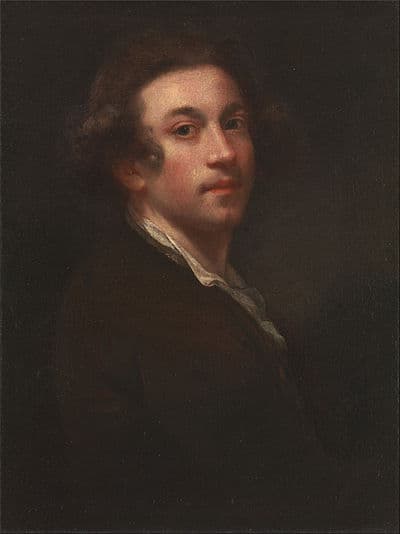
Joshua, Sir Reynolds
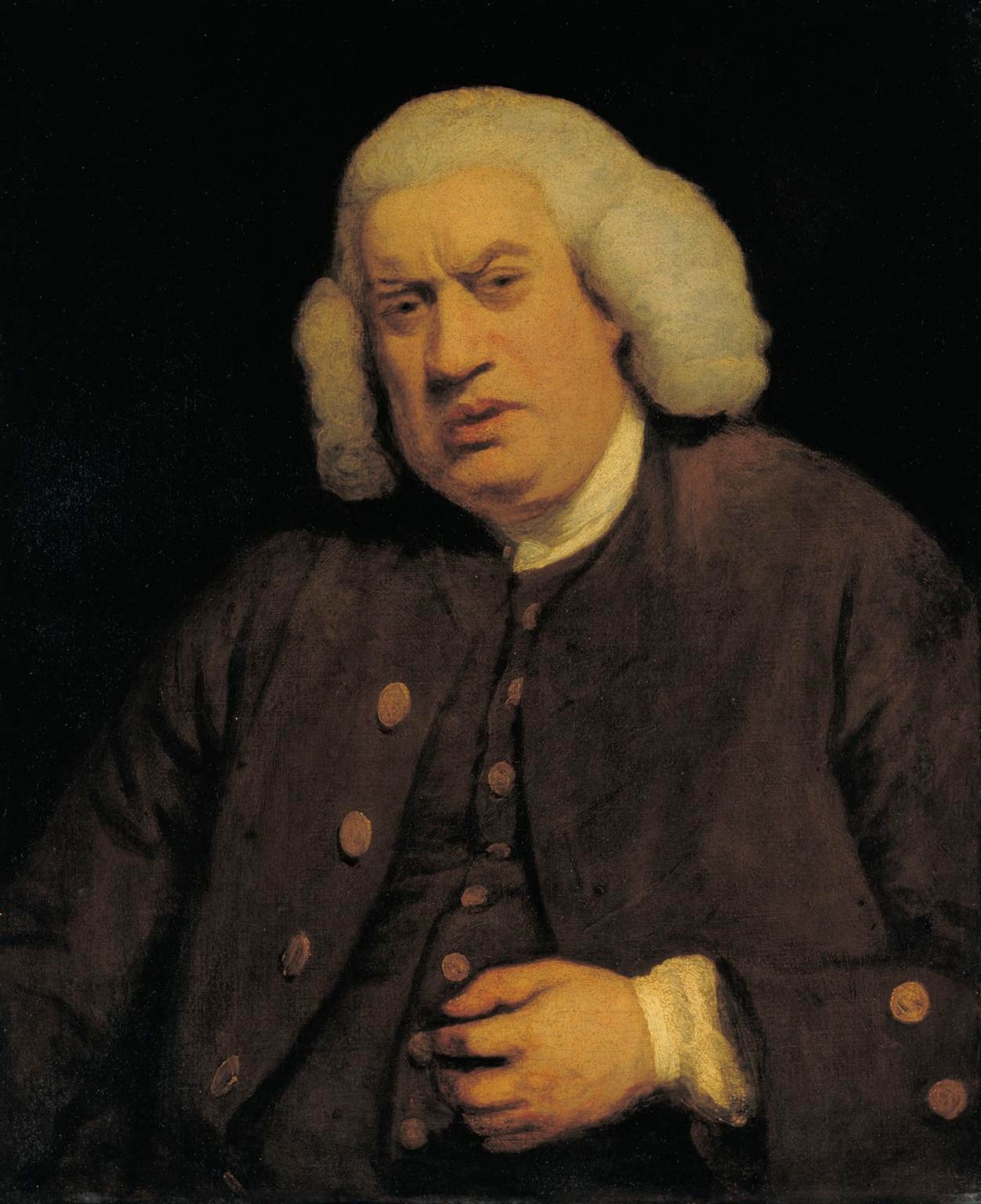
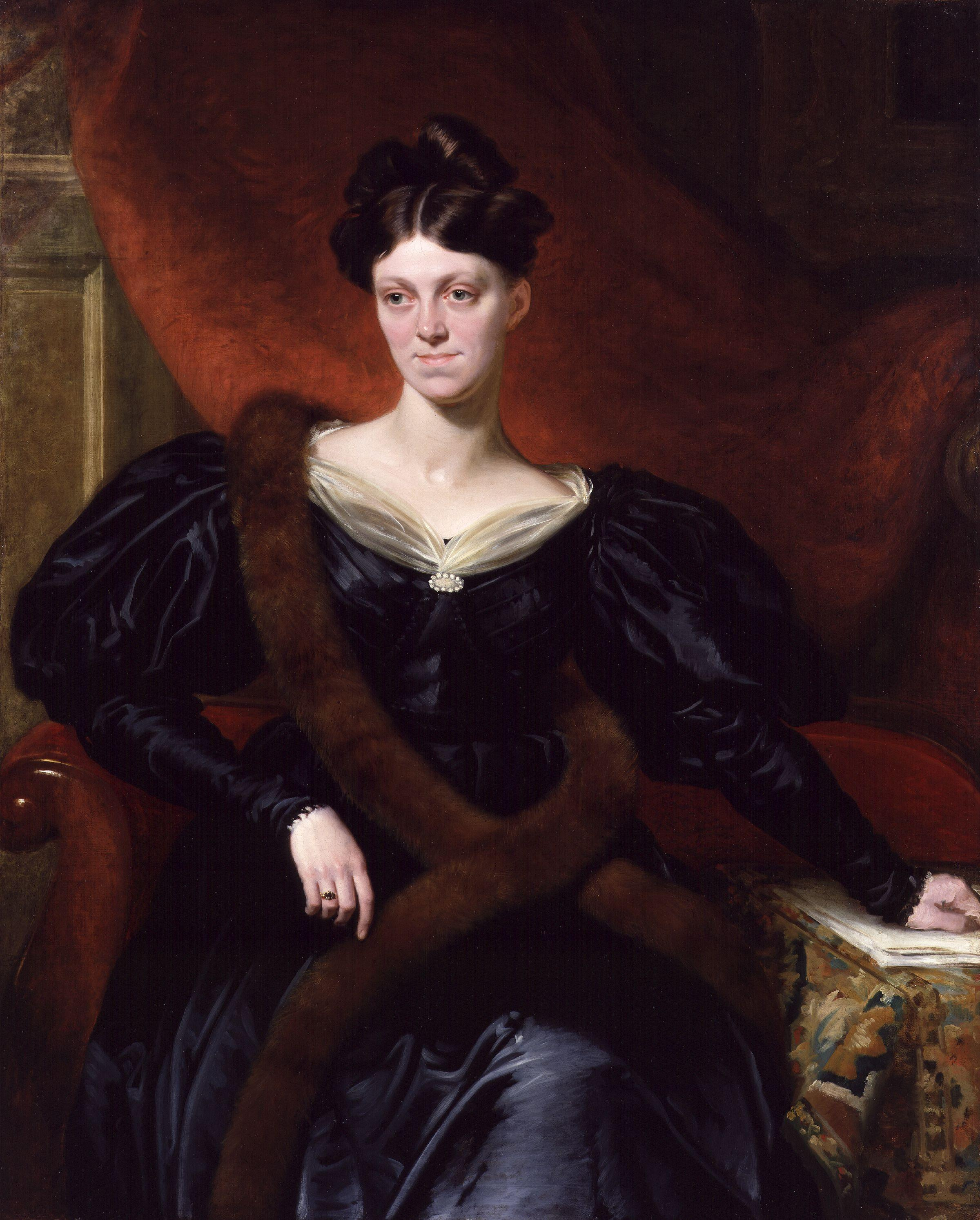
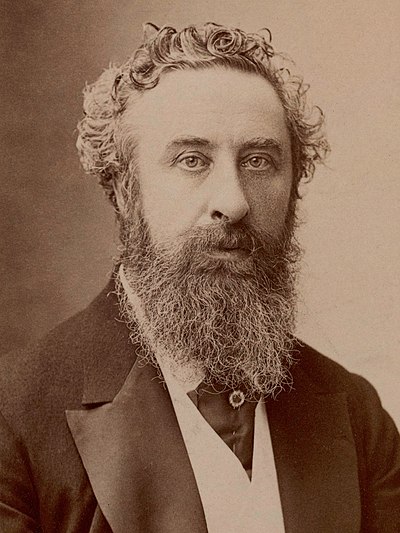
Sir Joshua Reynolds was a prominent English painter and a leading figure in the 18th-century art world, best known for his portraits that captured the essence of his subjects with both elegance and psychological depth. Born in Plympton, Devon, Reynolds began his artistic career in London, where he quickly gained recognition for his skillful technique and innovative approach to portraiture. He became the first president of the Royal Academy, which played a crucial role in shaping the standards of British art and education. His works, such as "The Age of Innocence" and portraits of notable figures like Samuel Johnson and David Garrick, showcased his ability to blend classical ideals with contemporary subjects, making him a pivotal figure in the transition from Baroque to a more modern style of portrait painting. Reynolds's influence extended beyond his paintings; his lectures on art emphasized the importance of imagination and the study of the Old Masters, encouraging a generation of artists to pursue their creative visions. His legacy is marked by his contributions to the establishment of professional standards for artists in Britain and his role in promoting the value of portraiture as a significant art form. Today, Reynolds is celebrated not only for his artistic achievements but also for his impact on the development of the British art scene, leaving an indelible mark that continues to inspire artists and art lovers alike.
Famous Quotes
View all 4 quotes“There is no expedient to which a man will not resort to avoid the real labor of thinking.””
“But young men have not only this frivolous ambition of being thought masters of execution, inciting them on the one hand, but also their natural sloth tempting them on the other. They are terrified at the prospect before them, of the toil required to attain exactness. The impetuosity of youth is disgusted at the slow approaches of a regular siege, and desires, from mere impatience of labour, to take the citadel by storm. They wish to find some shorter path to excellence, and hope to obtain the reward of eminence by other means, than those which the indispensable rules of art have prescribed.””
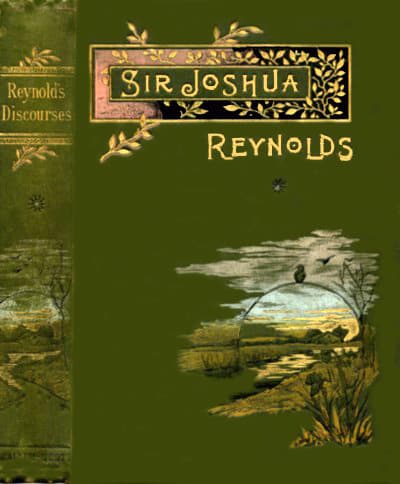
Books from the author


Link to this page
Add a free, dofollow link to Lex on your blog, forum, syllabus, or reading list.

<a href="https://lex-books.com/author/joshua-sir-reynolds"><img src="https://lex-books.com/badges/read-on-lex.svg" alt="Joshua, Sir Reynolds on Lex" width="160" height="40"></a>[](https://lex-books.com/author/joshua-sir-reynolds)[url=https://lex-books.com/author/joshua-sir-reynolds][img]https://lex-books.com/badges/read-on-lex.svg[/img][/url]Joshua, Sir Reynolds on Lex: https://lex-books.com/author/joshua-sir-reynolds